Sultans
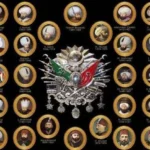
The Ottoman Empire was ruled by 36 sultans across more than six centuries, each leaving a distinct mark on history. This category explores the lives, reigns, and political legacies of Ottoman rulers, from Osman I, the founder of the dynasty, to the final sultan Mehmed VI Vahdettin. The dynasty’s emergence is rooted in the broader story of how the Ottoman Empire was founded, mixing frontier warfare, marriage alliances, and gaza ideology. Discover how Mehmed II conquered Constantinople, how Suleiman the Magnificent expanded the empire to its zenith, and how later sultans navigated decline and reform. Articles cover royal succession, harem politics, military campaigns, court culture, and the relationships between sultans and their grand viziers; for the inner workings of the palace, see our piece on harem life: facts, myths and rules. We also examine governance through the lens of the Imperial Council (Divan-i Humayun), the body through which sultans exercised executive, judicial and legislative authority. From the dynasty’s nomadic origins to its dissolution after World War I, this section offers in-depth biographies and analyses of Ottoman sovereigns.
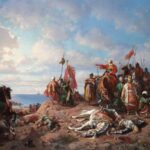
Bayezid I and the Battle of Ankara
Bayezid I and the Battle of Ankara marked a turning point in Ottoman history, as the sultan's capture by Timur in 1402 plunged the empire into the Interregnum period.
Bayezid I and the Battle of Ankara →
Who Was Osman Gazi and What Did He Achieve?
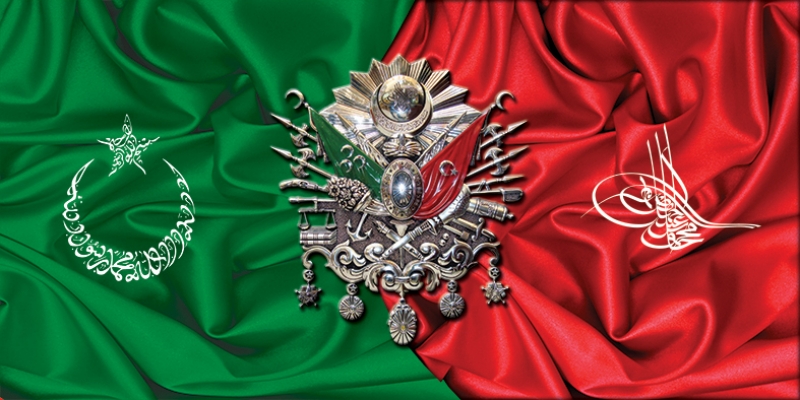
Osman Gazi, founder of the Ottoman State, transformed a small frontier principality into the foundation of an empire that would last over 600 years. This article explores his life, conquests, and the achievements of his son Orhan Gazi.
Who Was Osman Gazi and What Did He Achieve? →
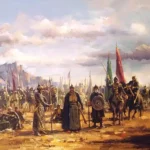
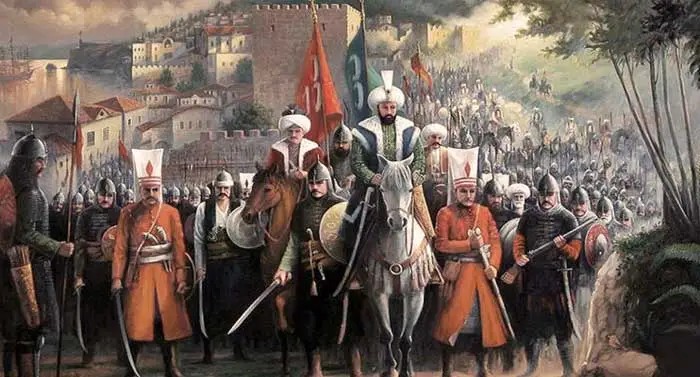
Who Is Mehmed the Conqueror? The Conquest of Istanbul
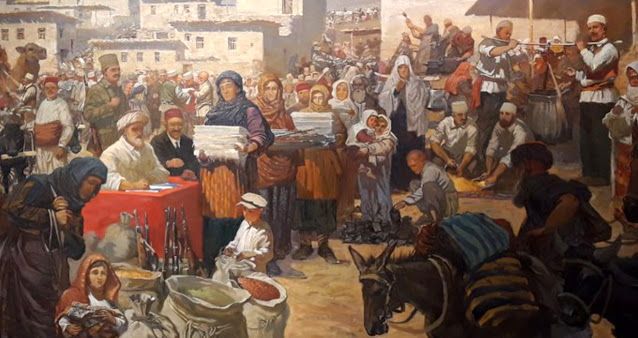
Mehmed the Conqueror, the Ottoman sultan who transformed the empire's structure, captured Istanbul on May 29, 1453, bringing an end to the Byzantine Empire and ushering in a new era for the Ottomans.
Who Is Mehmed the Conqueror? The Conquest of Istanbul →
Who Was Hürrem Sultan, Really?

Hürrem Sultan, wife of Suleiman the Magnificent, rose from concubine to the most powerful woman in the Ottoman palace, leaving a lasting mark on history through her intelligence, beauty, and political influence.
Who Was Hürrem Sultan, Really? →
Ottoman Empire During the Reign of Suleiman the Magnificent
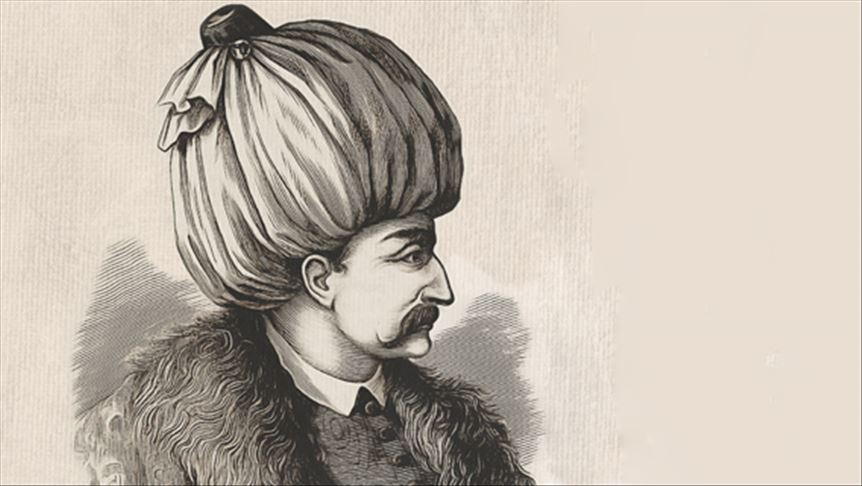
During the reign of Suleiman the Magnificent, the Ottoman Empire reached its widest territorial extent while achieving major advances in law, architecture, and culture. This article explores the key military campaigns and reforms that defined this golden age.
Ottoman Empire During the Reign of Suleiman the Magnificent →
The Reign of Murad II and the Battle of Varna
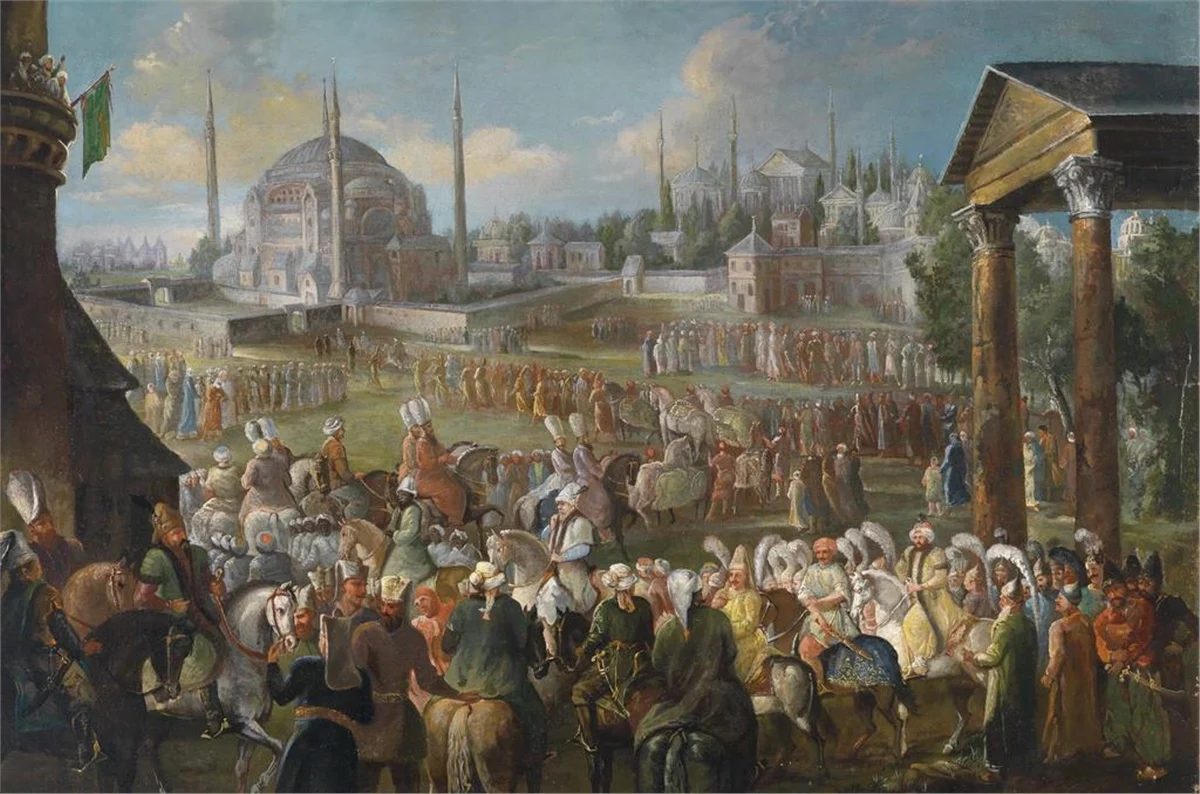
Explore the reign of Murad II and the pivotal 1444 Battle of Varna, where the Ottomans defeated a Crusader army and secured their advance into the Balkans.
The Reign of Murad II and the Battle of Varna →
Murad I and the Significance of the Battle of Kosovo
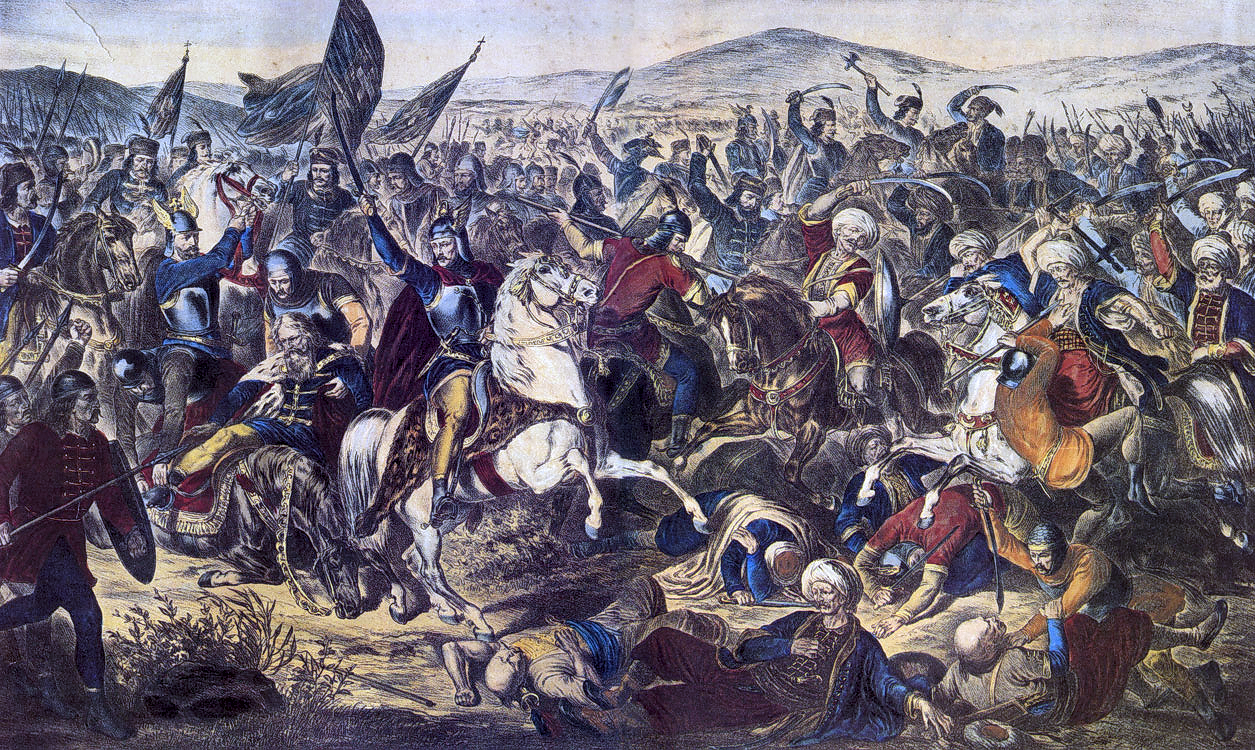
The Battle of Kosovo in 1389 marked a turning point in Ottoman expansion into the Balkans, securing Murad I's legacy despite his death on the battlefield.
Murad I and the Significance of the Battle of Kosovo →
Who Were the Ottoman Sultans in Order?
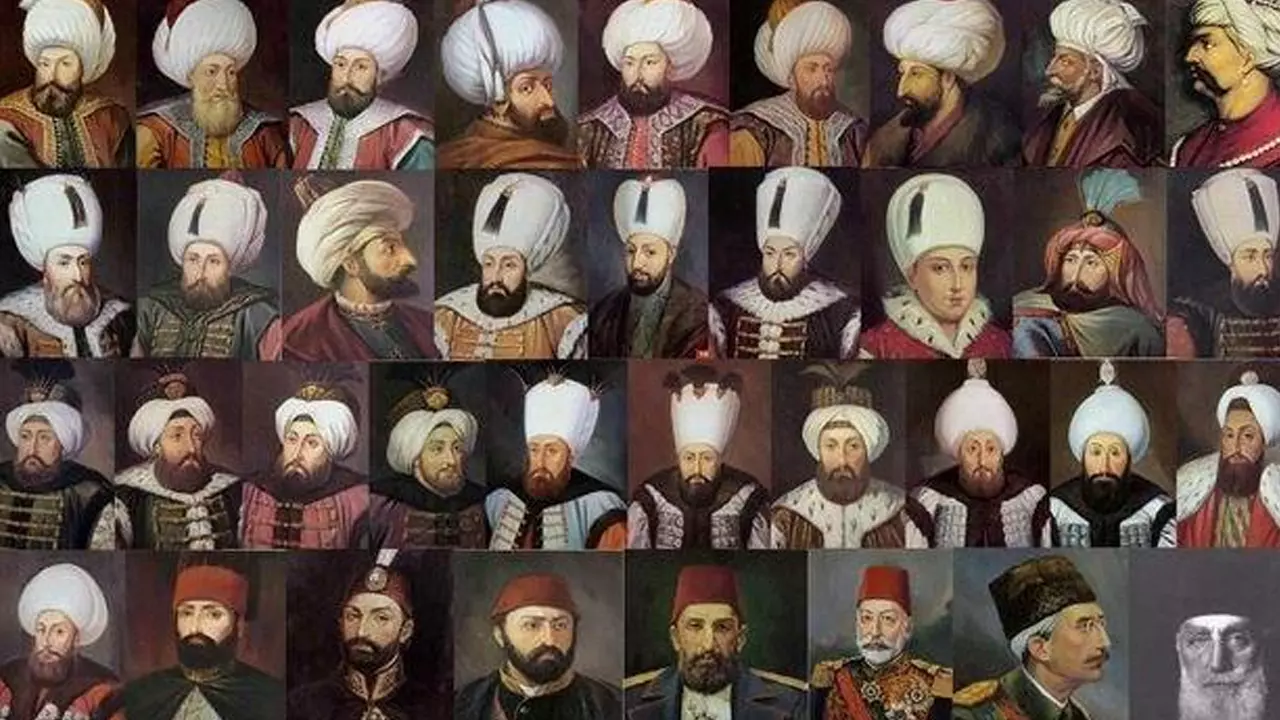
A complete chronological list of the Ottoman sultans from Osman I to Mehmed VI Vahdettin, along with the historical factors that led to the empire's fall.
Who Were the Ottoman Sultans in Order? →
Osman Bey’s Title

Osman Bey, founder of the Ottoman Empire, was known by the honorific title "Fahrüddin," meaning "the pride of religion," reflecting his esteemed status in the Islamic world.
Osman Bey’s Title →
The Army That Defeated Napoleon at Acre

In 1799, Napoleon Bonaparte suffered an unexpected defeat at the Siege of Acre against Ottoman forces led by Jazzar Ahmed Pasha, with crucial support from the British navy.
The Army That Defeated Napoleon at Acre →