Rise and Decline Periods
Trace the Ottoman Empire's six-century arc — from Osman Gazi's Söğüt frontier principality (1299) through Mehmed II's conquest of Constantinople (1453), Süleyman the Magnificent's golden age, and the long transformation that followed the Treaty of Karlowitz (1699). This category covers the periodization debate among historians (rise–stagnation–decline–collapse versus continuous transformation), key inflection points such as Lepanto (1571), the second siege of Vienna (1683), the Russo-Turkish wars, and the empire's final decades from Tanzimat through the Balkan Wars and the First World War. Articles offer the full trajectory of one of history's longest-lived empires, examining what made it endure and what eventually unmade it.
Why Did the Ottoman Stagnation Period Begin?

Why did the Ottoman stagnation period begin? Sokullu Mehmed Pasha’s death in 1579, the eleven sultans up to the Treaty of Karlowitz, the main causes, the Köprülü recovery and why the concept is debated.
Why Did the Ottoman Stagnation Period Begin? →
Characteristics of the Ottoman Rise Period
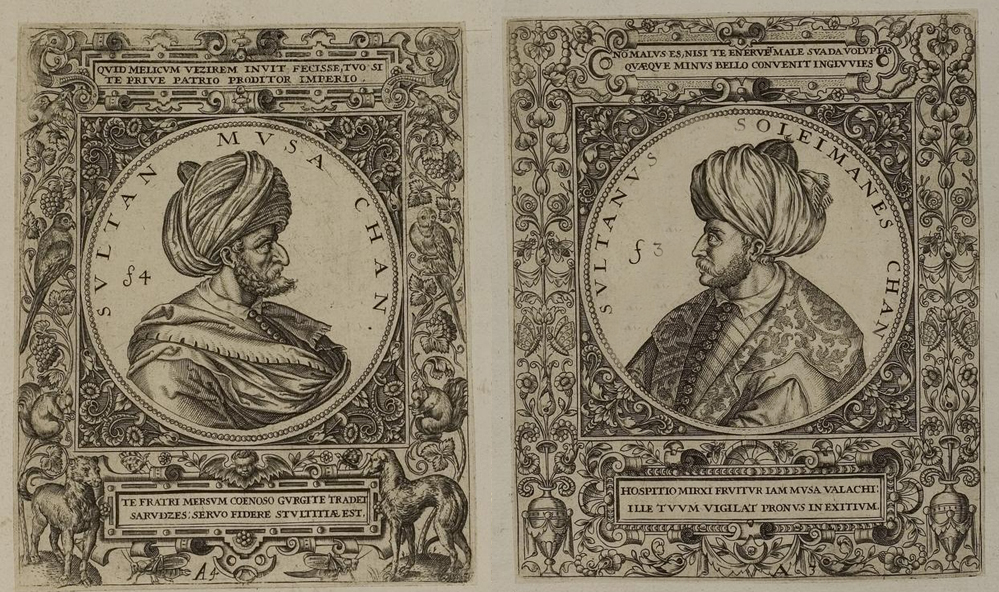
What were the characteristics of the Ottoman rise period? The sultans and great campaigns of 1453–1579, the Imperial Council, the kanunnames, the timar system, the capitulations and Mimar Sinan.
Characteristics of the Ottoman Rise Period →
When Was the Ottoman Empire Founded?
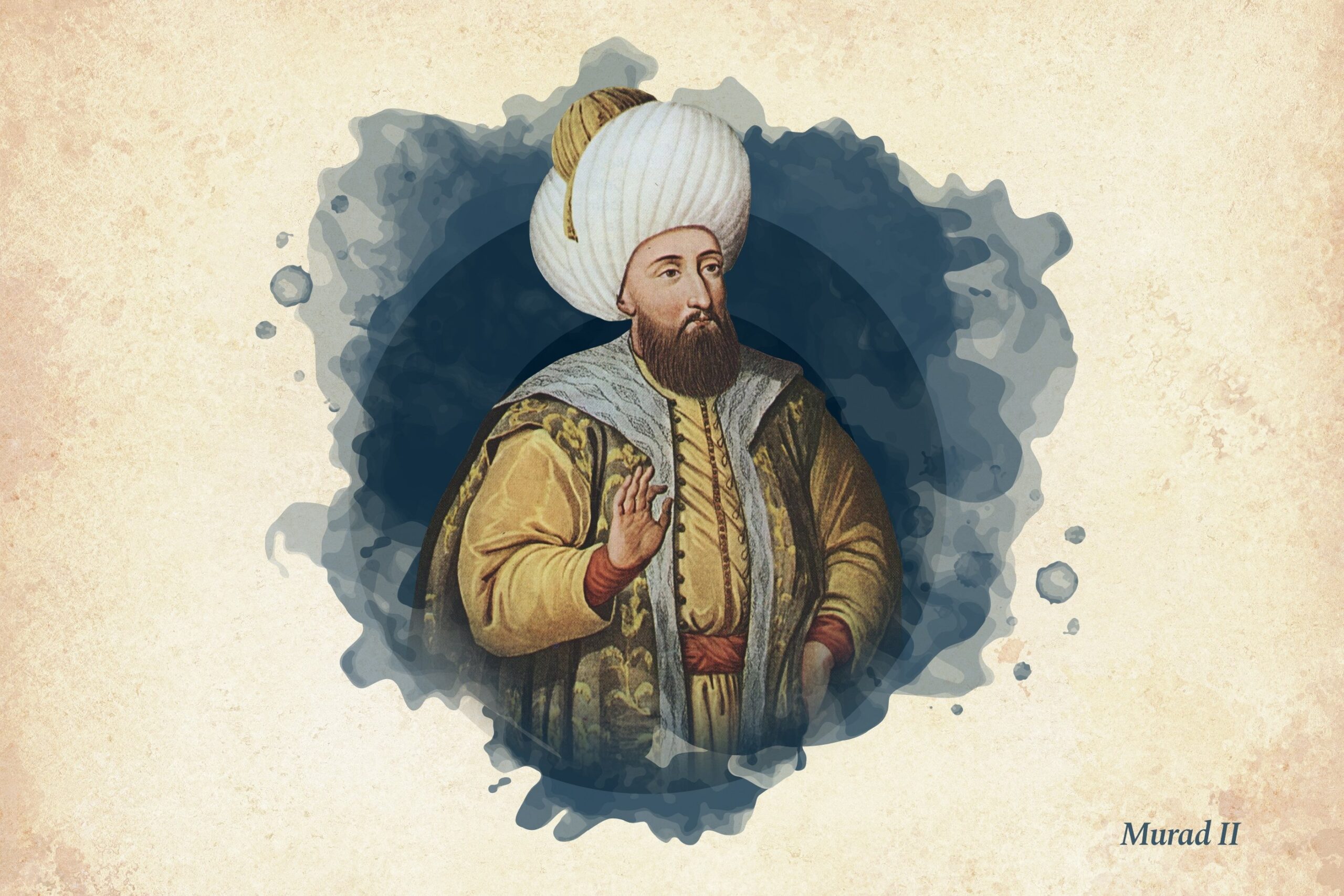
When was the Ottoman Empire founded: in 1299 or in 1302? Why the sources give different dates, where the beylik was born, how its founding is explained and how long the state lasted.
When Was the Ottoman Empire Founded? →
When and Why Did the Ottoman Empire Fall?

When and why did the Ottoman Empire fall? Key dates from the Armistice of Mudros to the Treaty of Lausanne, the five long-term causes of the collapse and the departure of the last sultan.
When and Why Did the Ottoman Empire Fall? →
Events That Shook the Ottoman Empire During the Decline Period
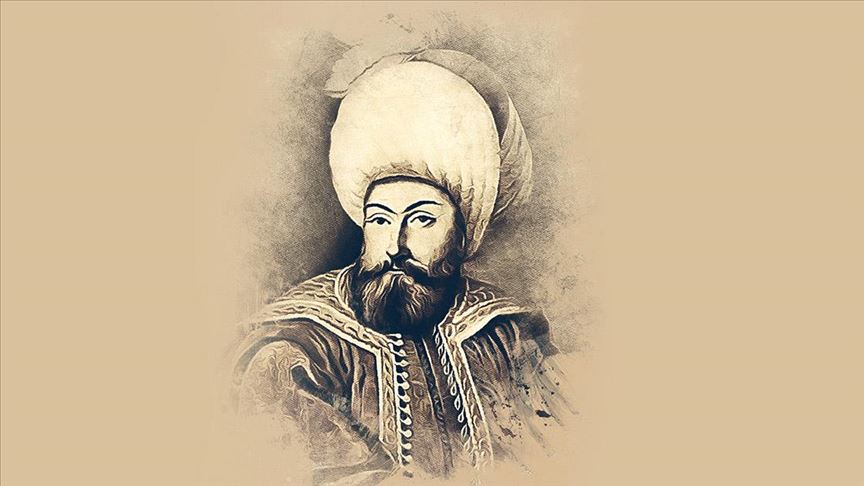
Which treaty began the Ottoman decline period, and which ended it? The seven sultans from Mustafa II to Selim III, the wars with Russia, the loss of Crimea, the reform attempts and the debate over the name.
Events That Shook the Ottoman Empire During the Decline Period →
Why Was the Treaty of Passarowitz a Turning Point for the Ottomans?
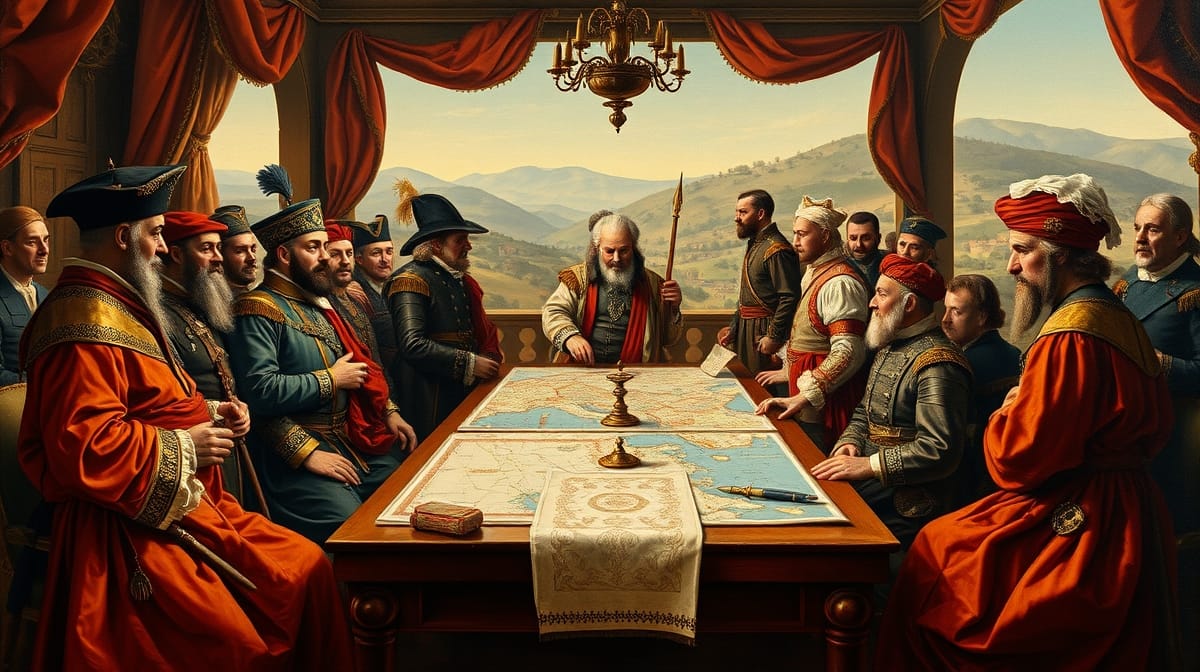
Why was the Treaty of Passarowitz, signed on 21 July 1718, a turning point for the Ottomans? The wars that led to it, the peace talks, its terms and the lands later recovered.
Why Was the Treaty of Passarowitz a Turning Point for the Ottomans? →
What Is the Interregnum, How Long Did It Last?
What was the Ottoman Interregnum and how long did it last? The defeat at Ankara, the war among Bayezid’s sons, Mehmed Çelebi’s victory at Çamurlu in 1413 and its consequences.
What Is the Interregnum, How Long Did It Last? →
The First Ottoman Sultan Who Ensured Anatolian Turkish Political Unity
Who achieved Anatolian Turkish political unity first, why did it collapse in 1402, and which sultans restored and completed it? Three stages, principalities and dates.
The First Ottoman Sultan Who Ensured Anatolian Turkish Political Unity →
The Impact of Geographical Discoveries on the Ottoman Empire

How the Geographical Discoveries affected the Ottoman Empire: the struggle with Portugal in the Red Sea and Indian Ocean, the Piri Reis map, shifting trade routes and the akçe.
The Impact of Geographical Discoveries on the Ottoman Empire →
The First Principality to Join the Ottoman Empire

Which principality joined the Ottomans first? The story of Karesi, the struggle for its throne, the gateway it opened to Rumelia and the order in which the other principalities followed.
The First Principality to Join the Ottoman Empire →