Economy and Trade
The Ottoman Empire sat at the crossroads of three continents and operated one of the early modern world's most sophisticated economic networks. This category explores Ottoman commerce and finance — Mediterranean and Silk Road trade routes, the akçe and kuruş coinage system, the timar land-grant network that funded the cavalry, tax-farming (iltizam and malikâne), guild (esnaf) organisations, and the great covered bazaars and bedestens of Istanbul, Bursa, and Cairo. Articles cover capitulations granted to European powers, the Bursa silk and Cairo coffee trades, monopolies, the long impact of the Age of Discovery on Ottoman revenues, and the Tanzimat-era banking and tax reforms that brought the empire into modern global finance.
The Shatt al-Arab Waterway Dispute
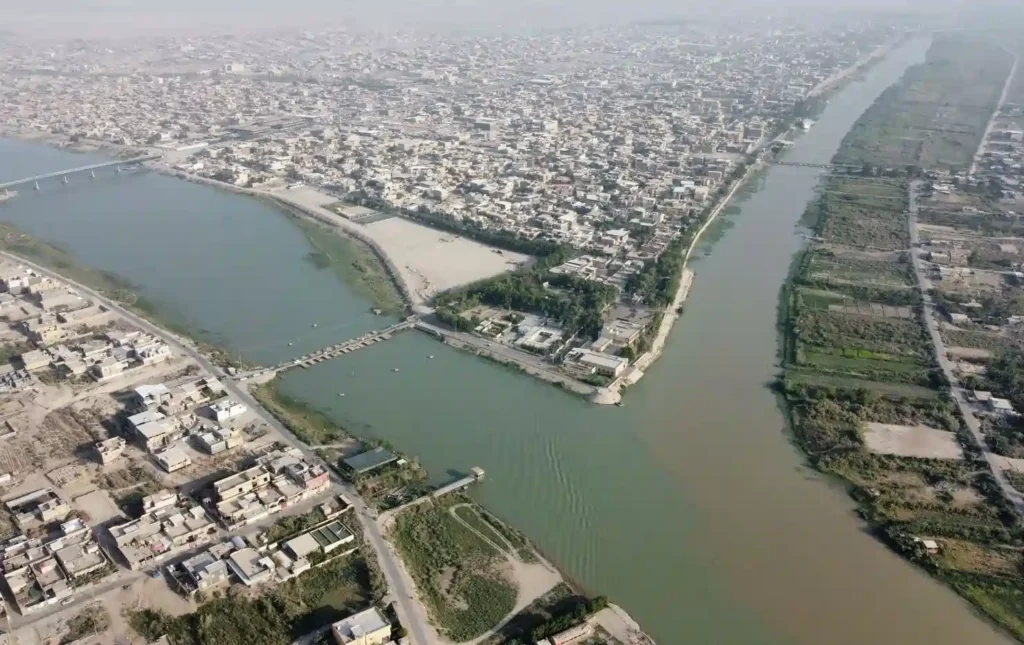
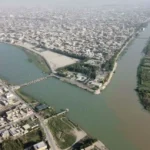
The Shatt al-Arab waterway dispute traces the centuries-long border and sovereignty struggle between Iraq and Iran over this strategic river system linking the Tigris and Euphrates to the Persian Gulf.
The Shatt al-Arab Waterway Dispute →
How Did the Capitulations Make the Ottoman Economy Dependent on Foreign Powers?
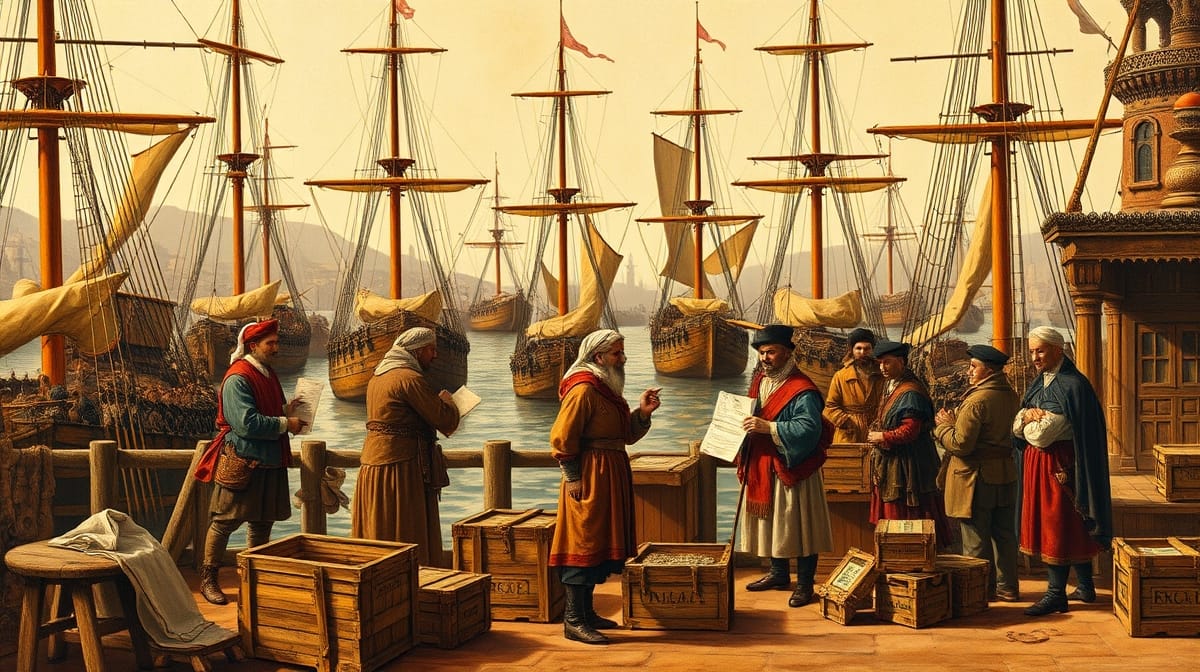
The capitulations explain how commercial privileges, tax losses, pressure on domestic production, and foreign dependence shaped the Ottoman economy in its historical context.
How Did the Capitulations Make the Ottoman Economy Dependent on Foreign Powers? →
Trade Places in the Ottoman Empire
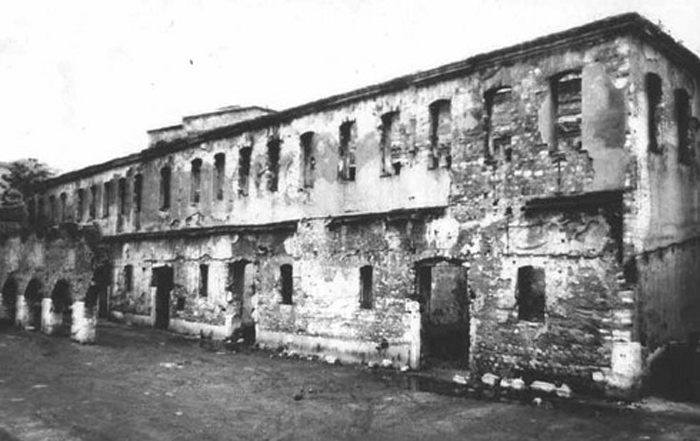
Trade had a very important place in the economic structure of the Ottoman Empire. In order to revive and develop...
Trade Places in the Ottoman Empire →