From the 14th century to the 20th century, the Ottoman Empire wrote a history full of wars and conquests. Throughout this process, Ottoman sultans expanded the empire’s borders through military strategy, diplomacy, and administrative skill, shaping cultural and social life along the way. In this article, we will examine the role Ottoman sultans played in wars and conquests.
The Founding Era of the Ottoman Empire
The foundations of the Ottoman Empire were laid by Osman Bey, who established a principality in the Bithynia region in 1299. Osman Bey achieved the empire’s first conquests through his victories over his enemies. During the reigns of his sons Orhan Bey and Murad I, strategic cities such as Bursa and Edirne were conquered, expanding the territory of the Ottoman State.
Murad I and the Battle of Kosovo
Murad I was one of the most important sultans of the Ottoman Empire toward the end of the 14th century. The Battle of Kosovo, fought in 1389, was a crucial turning point that consolidated Ottoman dominance in the Balkans. This battle demonstrated the discipline and strategic superiority of the Ottoman army. Murad I lost his life in this battle, but he left behind a powerful state.
Mehmed the Conqueror and the Conquest of Istanbul
One of the most significant events in Ottoman history is the conquest of Istanbul by Mehmed the Conqueror in 1453. This conquest played a major role in bringing the Middle Ages to an end and ushering in the modern era. Through battle tactics, advanced siege equipment, and military discipline, Istanbul was incorporated into Ottoman territory. With this victory, Mehmed the Conqueror earned the title “the Conqueror” and made Istanbul the capital of the empire.
You might also be interested in Ottoman Expansion During the Reign of Orhan Gazi.
The Cultural Richness Brought by the Wars
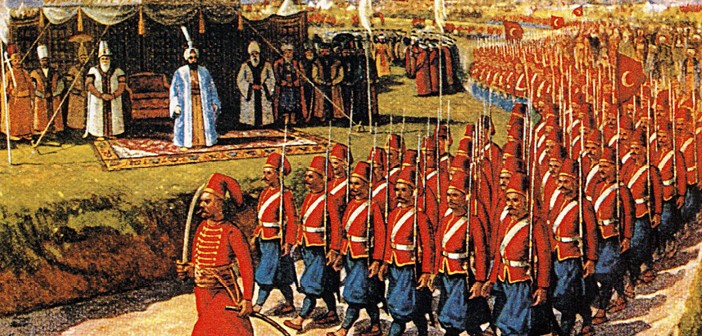
The conquests of the Ottoman sultans were not limited to military achievements alone; they also contributed to a growing cultural richness. Peoples, religions, and cultures from diverse geographies came together within the Ottoman Empire, forming a rich and diverse social structure. This diversity led to significant advances in art, architecture, and science.
Late-Period Sultans and Wars
By the 19th century, the Ottoman Empire faced both internal and external problems. Mahmud II waged numerous wars alongside his modernization efforts. The Balkan Wars and the First World War were the most significant conflicts of the empire’s final period. These wars paved the way for the empire’s dissolution and the founding of the modern Republic of Turkey.
Conclusion
Ottoman sultans were the architects of a history filled with wars and conquests. Each one, in his own era, developed various military strategies and policies that expanded the empire’s borders and shaped its cultural and social fabric. The history of the Ottoman Empire can be viewed not only through its military victories but also as a rich mosaic in which different cultures coexisted. This history continues to inspire many people to this day.