One of the Middle East’s most important waterways, the Shatt al-Arab, has been at the center of regional disputes throughout history. Because of its strategic location, its proximity to trade routes, and its great importance for oil transportation, many states have sought to establish dominance over this region.
Frequently encountered in studies of history and current politics, the “Shatt al-Arab waterway dispute” is closely tied to border disagreements between Iraq and Iran in particular.
What Is the Shatt al-Arab?
The Shatt al-Arab is a major waterway formed by the confluence of the Tigris and Euphrates rivers. Flowing into the Persian Gulf, this region is considered one of the strategic points of the Middle East.
The Shatt al-Arab:
- Is located in southern Iraq
- Lies close to the Iranian border
- Is important for oil transportation
- Is used for maritime transport
For these reasons, the region carries great economic and political value.
What Is the Shatt al-Arab Waterway Dispute?
The Shatt al-Arab waterway dispute is a border and sovereignty disagreement between Iraq and Iran.
The two countries have long disagreed over:
- Control of the waterway
- The border line
- Maritime transport rights
- Trade passage
for many years.
This issue has occasionally led to military tension as well.
Between Which States Did the Shatt al-Arab Dispute Take Place?
The Shatt al-Arab dispute essentially took place between:
- Iraq
and - Iran
Border issues in the region drew attention from the era of the Ottoman Empire onward. After the Ottoman Empire’s dissolution, the dispute continued between Iraq and Iran.
What Is the Importance of the Shatt al-Arab?
The importance of the Shatt al-Arab is considerable, because the region:
- Opens onto the Persian Gulf
- Is used for oil exports
- Occupies a strategic position for merchant vessels
- Provides maritime access
For these reasons, both countries have sought to hold sway over the region.
The Iran-Iraq War and the Shatt al-Arab
The Iran-Iraq War is among the developments directly linked to the Shatt al-Arab dispute.
Among the causes of the war, which began in 1980, were:
- Border disputes
- Rival claims over the Shatt al-Arab
- The struggle for regional power
The war dragged on for many years and caused enormous losses.
The Treaty of Zuhab and the Region
The Treaty of Zuhab was signed between the Ottoman Empire and the Safavids. This treaty determined a significant portion of the border with Iran.
The Shatt al-Arab region has also been one of the areas that repeatedly drew attention in Ottoman-Iranian relations throughout history.
The 1975 Algiers Agreement
The Algiers Agreement was signed between Iran and Iraq in 1975.
Through this agreement:
- The Shatt al-Arab border was redrawn
- The sharing of the waterway was determined
- A temporary settlement was reached
However, disagreements resurfaced in later years.
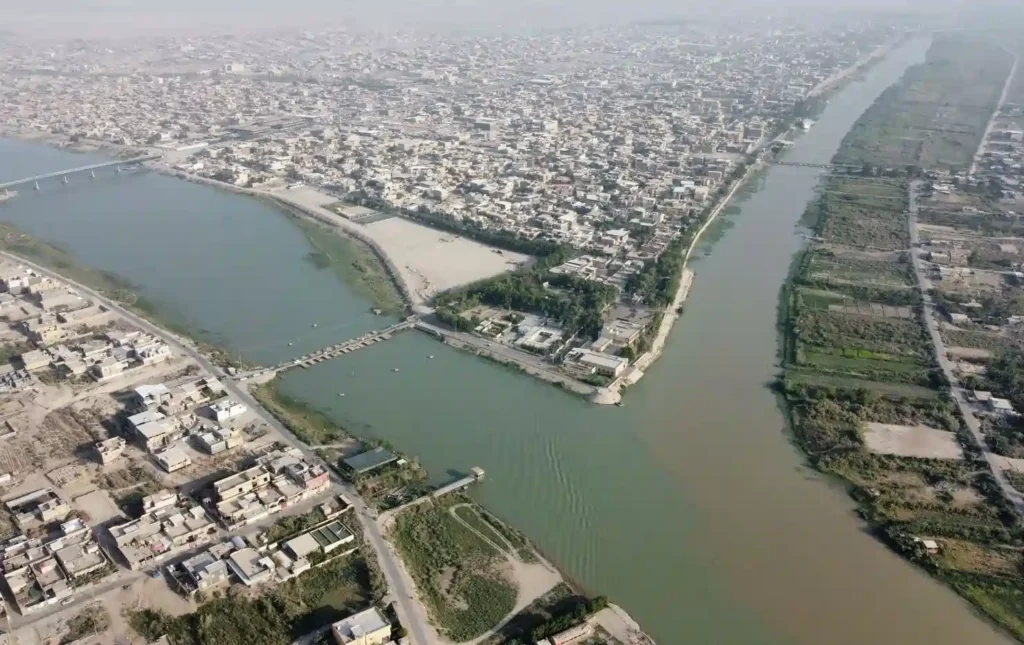
The Economic Importance of the Shatt al-Arab Region
The economic importance of the Shatt al-Arab is linked in particular to oil transportation.
Thanks to the region:
- Oil exports are carried out
- Merchant vessels are able to pass through
- Port connections are established
This has made the region one of the key points of the Middle East.
The Shatt al-Arab Waterway Dispute
The Shatt al-Arab waterway dispute is a border and sovereignty disagreement between Iran and Iraq. Formed by the confluence of the Tigris and Euphrates rivers, this waterway carries great strategic and economic importance.
Owing especially to oil transportation and maritime access, the Shatt al-Arab has remained on the agenda as one of the enduring problems of Middle Eastern politics for many years.