Modernization and Reforms
From Selim III's Nizam-ı Cedid army of the 1790s through Mahmud II's abolition of the Janissaries (1826), the sweeping Tanzimat decrees of 1839 and 1856, and the Kanun-ı Esasi constitution of 1876, this category traces the Ottoman Empire's century-long modernisation journey. Articles examine the First and Second Constitutional eras, Young Turk politics and the Committee of Union and Progress, educational reforms, military restructuring, the introduction of railways and telegraph, legal codifications such as the Mecelle, and how reformers from Mustafa Reşid Pasha to the late CUP attempted to transform a multi-ethnic empire into a modern state. The complex legacy of Ottoman reform shaped Republican Turkey, the modern Middle East, and the post-Ottoman Balkans.
Key Differences Between the Young Ottomans and the Young Turks
Why are the Young Ottomans and the Young Turks so often confused? Their periods, leading figures, methods, ideas and contributions to the 1876 and 1908 constitutions compared.
Key Differences Between the Young Ottomans and the Young Turks →
What Did the Young Ottomans Want? The Roots of the Idea of Liberty
What did the Young Ottomans want? Their demands for liberty, a constitution and a parliament, the newspapers Muhbir and Hürriyet, and the road to the 1876 Kanun-ı Esasi.
What Did the Young Ottomans Want? The Roots of the Idea of Liberty →
Who Were the Young Ottomans? Traces of the Secret Society
Who were the Young Ottomans? The secret society founded in 1865, Namık Kemal, Ziya Pasha, Ali Suavi and Mustafa Fazıl Pasha, the newspapers of Paris and London, and the road to the constitution of 1876.
Who Were the Young Ottomans? Traces of the Secret Society →
How Did the Nizam-i Cedid Launch a Great Transformation in the Ottoman Army?
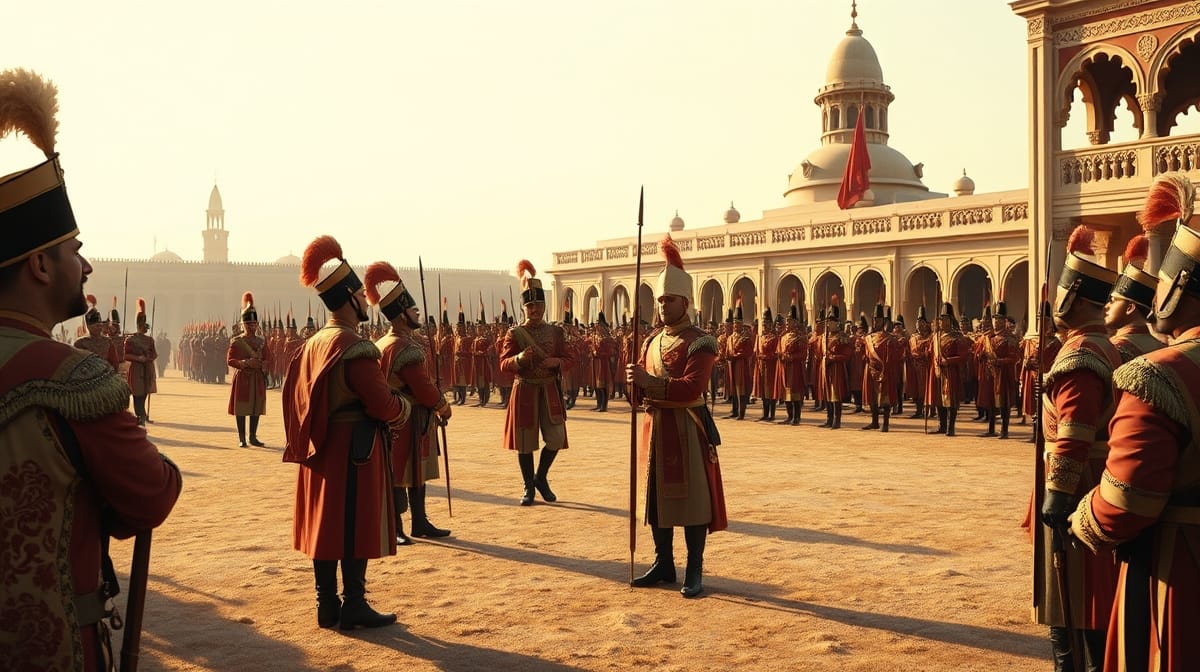
How did the Nizam-i Cedid launch a great transformation in the Ottoman army? Selim III’s 1792–1807 reform: how the new army was formed and funded, who opposed it and how the Kabakçı Revolt ended it.
How Did the Nizam-i Cedid Launch a Great Transformation in the Ottoman Army? →
Why Did the Printing Press Come Late to the Ottoman Empire? The Real Reasons

Did the printing press really come late to the Ottoman Empire? Istanbul’s first presses from 1493, İbrahim Müteferrika’s press of 1727, the alleged religious ban and the real reasons for the delay.
Why Did the Printing Press Come Late to the Ottoman Empire? The Real Reasons →
What Are the Effects of the French Revolution on the Ottoman Empire?
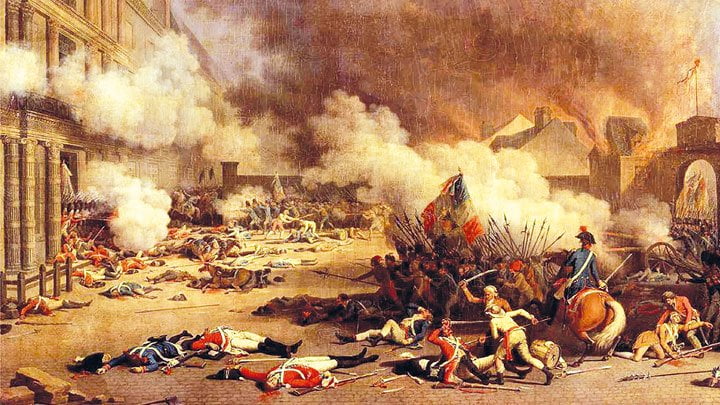
What were the effects of the French Revolution on the Ottoman Empire? Nationalism in the Balkans, Selim III’s Nizam-ı Cedid, permanent embassies and the Egyptian campaign.
What Are the Effects of the French Revolution on the Ottoman Empire? →
Who Were the Young Ottomans?

Who were the Young Ottomans? Why they fled abroad, the newspapers they published, how they spread the idea of constitutional government and their influence on 1876.
Who Were the Young Ottomans? →
What Did the Ottoman Empire Announce at the Time of the Shipyard Conference?

What did the Ottoman Empire announce at the time of the Shipyard Conference? Why the conference met, why the constitution was proclaimed to cannon fire that very day, and the war that followed.
What Did the Ottoman Empire Announce at the Time of the Shipyard Conference? →
Democratization Movements in the Ottoman Empire

What were the democratization movements in the Ottoman Empire? From the 1808 Deed of Alliance to the constitutional eras: the first constitution, the first elections and the interruptions.
Democratization Movements in the Ottoman Empire →
Ottoman Intellectual Movements: Ottomanism, Islamism, Turkism, Westernism

What were the Ottoman intellectual movements? Ottomanism, Islamism, Turkism and Westernism, their leading figures and Yusuf Akçura’s famous comparison in Üç Tarz-ı Siyaset.
Ottoman Intellectual Movements: Ottomanism, Islamism, Turkism, Westernism →