Society and Daily Life
Discover everyday life across six centuries of Ottoman history — millet communities of Muslims, Christians, and Jews coexisting under imperial law, the bustling coffeehouses and public baths (hamams) of Istanbul, neighbourhood (mahalle) life, family structures, marriage customs, and the rhythms of urban and rural existence. Articles examine guild traditions, women's status across class and region, education in mektebs and medreses, religious festivals, traditional cuisine, dress and adornment, naming practices, and how social classes — from grand viziers to peasant farmers — interacted within Ottoman society. Coverage spans Anatolian villages, Balkan towns, Arab provinces, and the cosmopolitan capital, bringing the human face of the empire into focus.
What Did People Do During Epidemics in the Ottoman Empire?
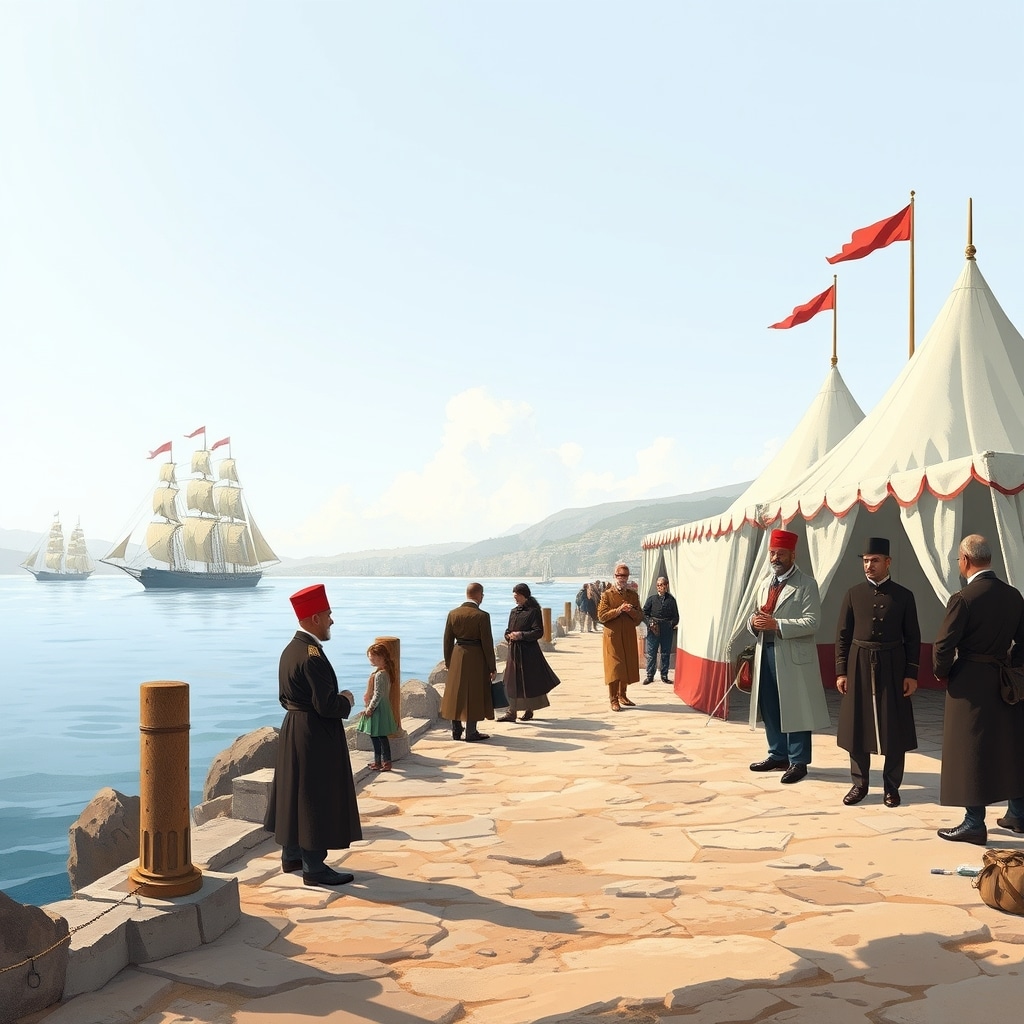
During epidemics, Ottoman people turned to prayer, clean air, vinegar and bloodletting. Fatwas on fleeing the plague and the birth of Ottoman quarantine.
What Did People Do During Epidemics in the Ottoman Empire? →
The Role of Women in the Ottoman Period
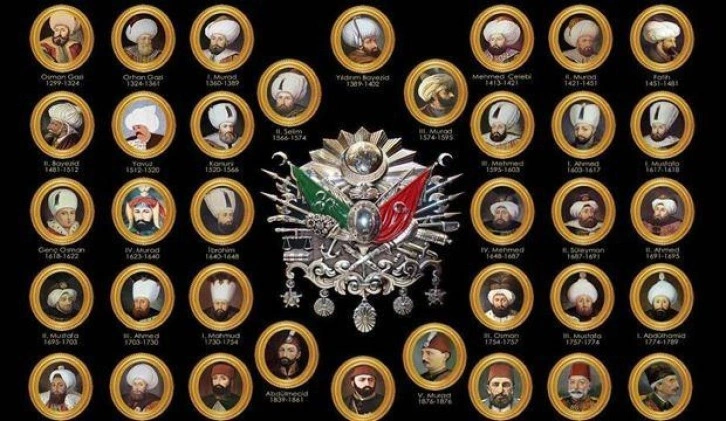
What was the role of women in the Ottoman period? Property, endowments, marriage, divorce, inheritance and education, based on court registers and the TDV Encyclopedia of Islam.
The Role of Women in the Ottoman Period →
What Was the Ottoman Harem System Like?
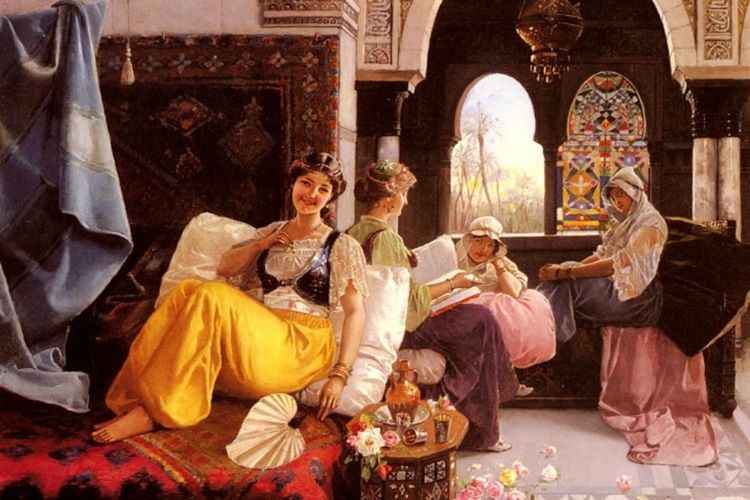
What was the Ottoman harem system like? Who lived in the harem, the place of the valide sultan, the education of the concubines and the role of the Darüssaade ağası.
What Was the Ottoman Harem System Like? →
What Did the Ottoman Tulip Era Mean?
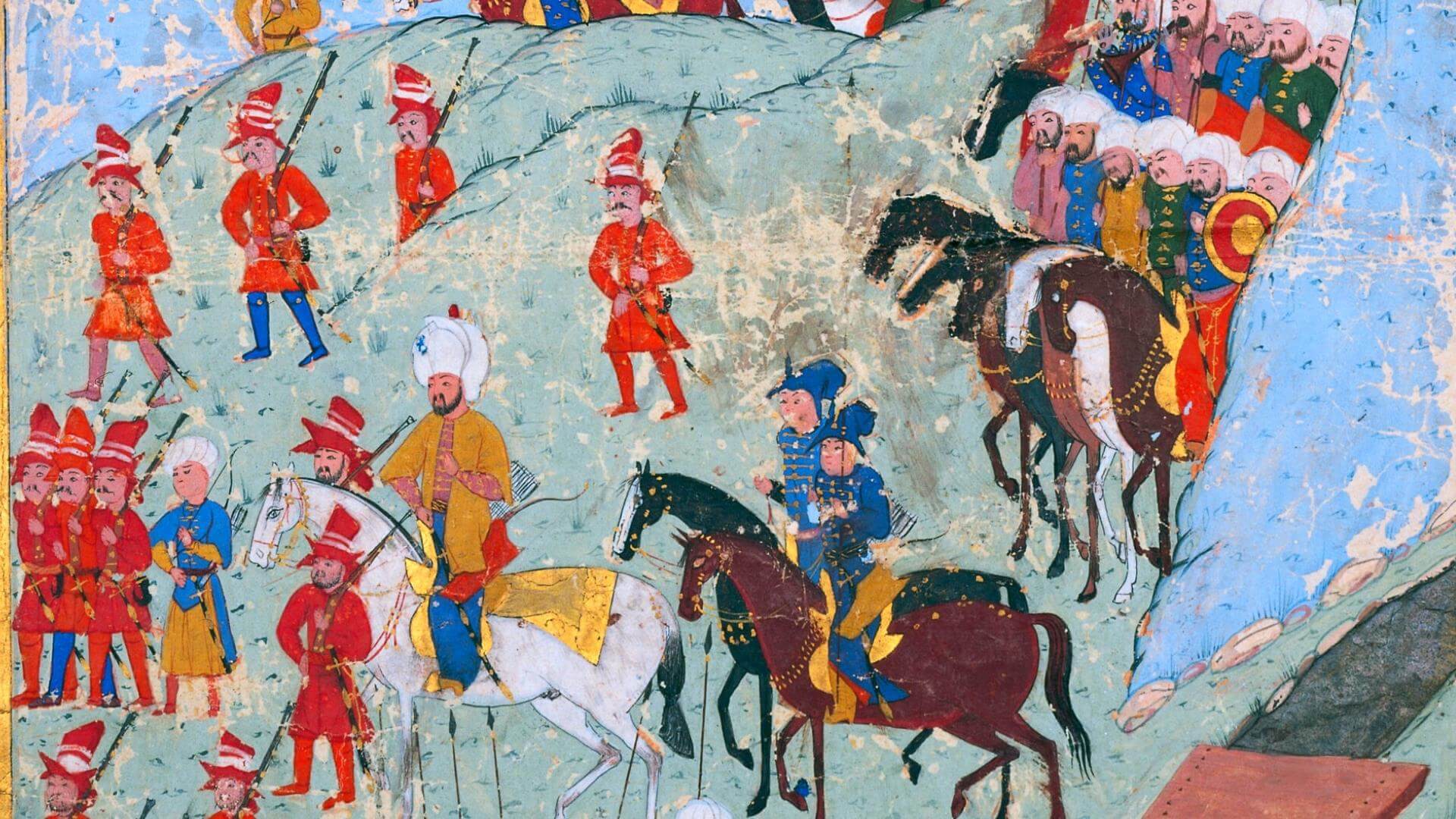
What did the Ottoman Tulip Era mean, and where did its name come from? The years from Passarowitz to the Patrona Halil Revolt: embassies, the printing press, Sadabad and the passion for tulips.
What Did the Ottoman Tulip Era Mean? →
Famous Geographers

Who are the famous geographers of history? Ptolemy, Strabo, al-Idrisi, Ibn Battuta, Piri Reis, Evliya Çelebi, Katib Çelebi, Marco Polo and Columbus, with their works and contributions.
Famous Geographers →
The Ottoman Waqf System: Mosques, Madrasas and Social Aid
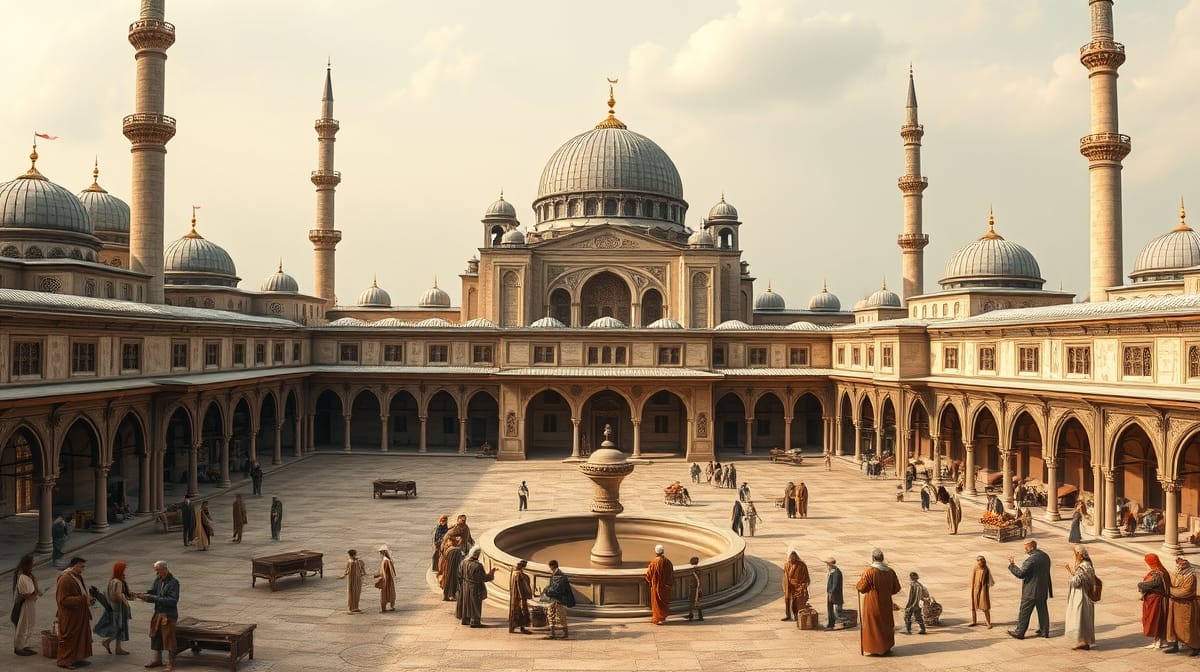
How the Ottoman waqf system kept mosques, madrasas, imarets and hospitals alive: the waqf deed, the administrator, cash waqfs and the Ministry of Endowments founded in 1826.
The Ottoman Waqf System: Mosques, Madrasas and Social Aid →
Harem Life in the Ottoman Empire: Facts, Myths, and Rules
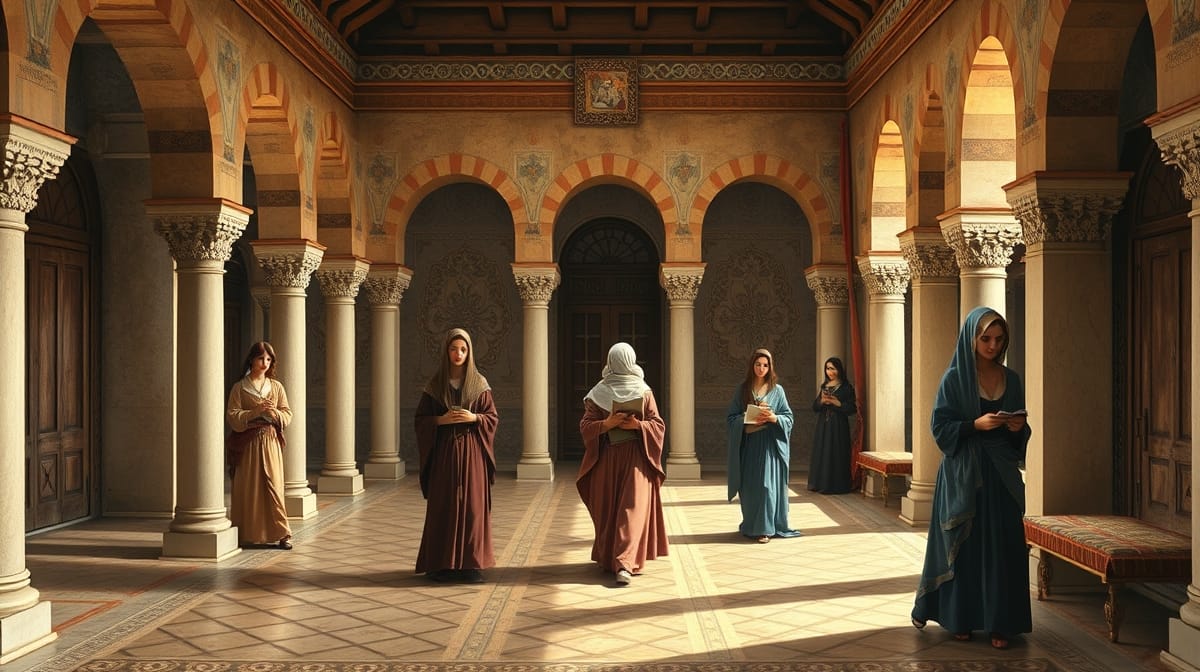
What was harem life like in the Ottoman palace? The rise of concubines, the titles ikbal and kadınefendi, the sultans’ marriages and the most common myths.
Harem Life in the Ottoman Empire: Facts, Myths, and Rules →
Ottoman Boy Names

What were the Ottoman boy names and what did they mean? Common names from Mehmed to Mustafa, Turkish names of the founding period, epithets and the naming tradition.
Ottoman Boy Names →
Ottoman Female Names
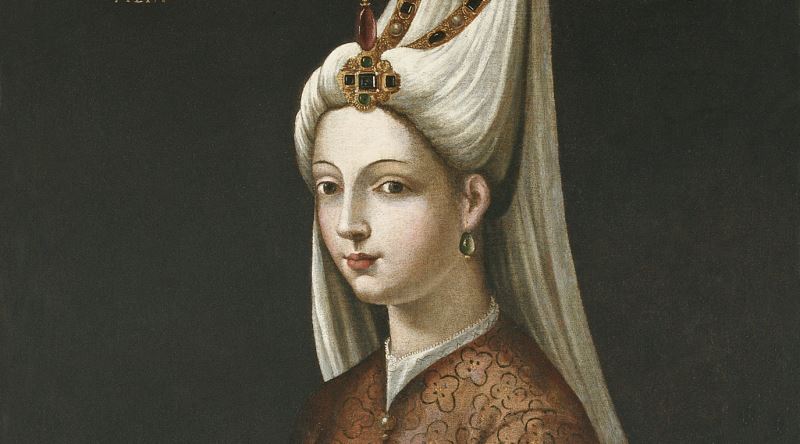
What were Ottoman female names and what did they mean? Common names such as Fatma and Ayşe, Persian palace names, the titles of dynasty women and the valide sultans.
Ottoman Female Names →
How Was Pregnancy Understood in the Ottoman Empire?

How did Ottoman women know they were pregnant? The signs, the role of midwives, Sabuncuoğlu’s medical works, the legal weight of pregnancy and the truth about folk tests.
How Was Pregnancy Understood in the Ottoman Empire? →