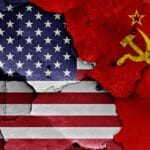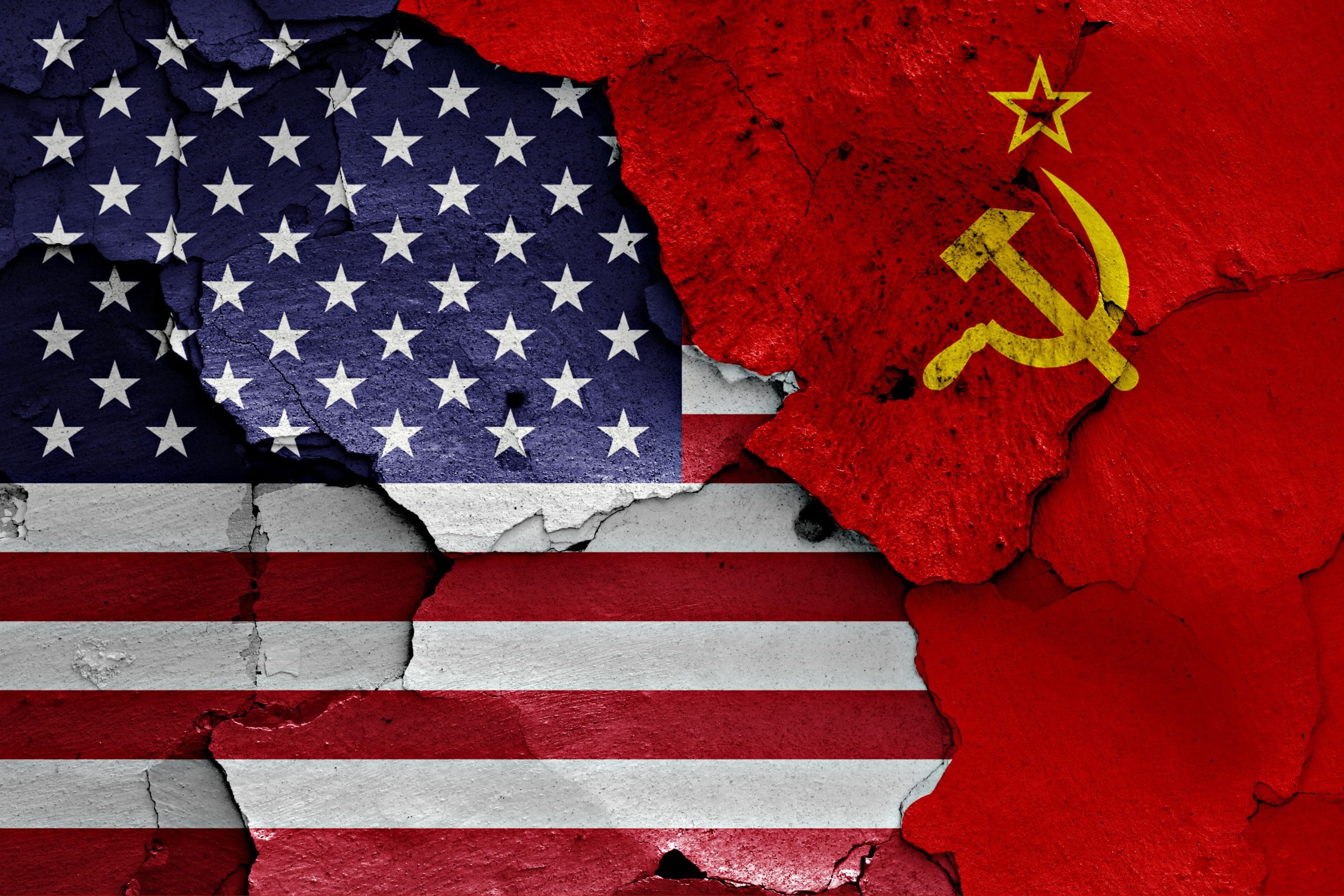
- The Cold War, one of the most significant periods of 20th-century world history, refers to the political, economic, and military rivalry between the United States and the Soviet Union. Beginning after World War II, this era is known as a period without direct large-scale wars but marked by constant tension.
The answer to the question frequently encountered in history lessons, “Which statesman first used the term Cold War?”, is generally accepted to be Bernard Baruch.
What Is the Cold War?
The Cold War is the period of political and ideological struggle that emerged between the United States and the Soviet Union after World War II.
During this process:
- No direct large-scale war occurred
- The nuclear arms race accelerated
- Espionage activities increased
- The space race began
- The world became divided into blocs
This period spans approximately from 1947 to 1991.
Who First Used the Term Cold War?
The statesman who first used the term Cold War was Bernard Baruch. Bernard Baruch is known as an American politician and government advisor.
In a speech he gave in 1947, he used the expression “Cold War.” This term later became widespread across the world.
Who Is Bernard Baruch?
Bernard Baruch is one of the influential figures in economics and politics in the United States.
Baruch:
- Served as an advisor to U.S. presidents
- Took part in shaping economic policies
- Was influential in the period following World War II
His statements during the period of tension with the Soviet Union in particular drew great attention.
How Did the Cold War Period Begin?
The beginning of the Cold War is linked to the power struggle that followed World War II.
After the war:
- The United States championed the capitalist system
- The USSR sought to spread the communist system
- Europe was divided between two different blocs
- Military alliances were established
These developments influenced world politics for many years.
Characteristics of the Cold War Period
Among the characteristics of the Cold War period, the constant rivalry between great powers stands out.
During this period:
- NATO was founded
- The Warsaw Pact was formed
- The Berlin Crisis occurred
- The Cuban Missile Crisis emerged
- The space race began
Although the U.S. and the USSR never fought each other directly, numerous crises took place around the world.
Why Was It Called the “Cold” War?
The name Cold War stems from the fact that the parties never entered into direct armed conflict.
In other words:
- No large-scale world war occurred
- Conflicts took place indirectly
- Rivalry continued in political and economic spheres
For this reason, the period was named the “Cold War.”
Global Bloc Formation During the Cold War
The Cold War blocs dramatically changed world politics.
The Western Bloc:
- Was formed under the leadership of the United States
- Included NATO countries
The Eastern Bloc, on the other hand:
- Took shape under the leadership of the Soviet Union
- Consisted of Warsaw Pact countries
This division shaped world politics for many years.
The End of the Cold War
The end of the Cold War came about in 1991 with the dissolution of the Soviet Union.
With this development:
- The Eastern Bloc collapsed
- The United States became the sole superpower
- A new era began in world politics
International balances shifted after the Cold War.
What Is the Accession Donative (Cülus Bahşişi)? Ottoman Enthronement Ceremonies and Their Meaning may also interest you.
Who Was the Statesman Who First Used the Term Cold War?
The statesman who first used the term Cold War was Bernard Baruch. He used the expression in a speech he gave in 1947, and the term quickly spread around the world.
The Cold War era is regarded as one of the most significant political processes of the 20th century.