Culture, Art and Architecture
Ottoman cultural heritage is among the richest in world history, blending Byzantine, Persian, Arab, and Turkic traditions into a unique civilizational synthesis. This category explores the empire's artistic and architectural legacy: the masterpieces of Mimar Sinan, the calligraphy and illumination traditions, Iznik tiles and ceramics, miniature painting, marbling, and Ottoman classical music. From the imperial mosques that defined the Istanbul skyline to bazaars, caravanserais, fountains, and palace complexes, articles cover the full spectrum of Ottoman material culture. The category also addresses literature, daily aesthetics, and the cultural transformation that accompanied Tanzimat-era westernization. Each post offers historical context and visual exploration of Ottoman creative achievement.
Characteristics of Ottoman Art and Architecture
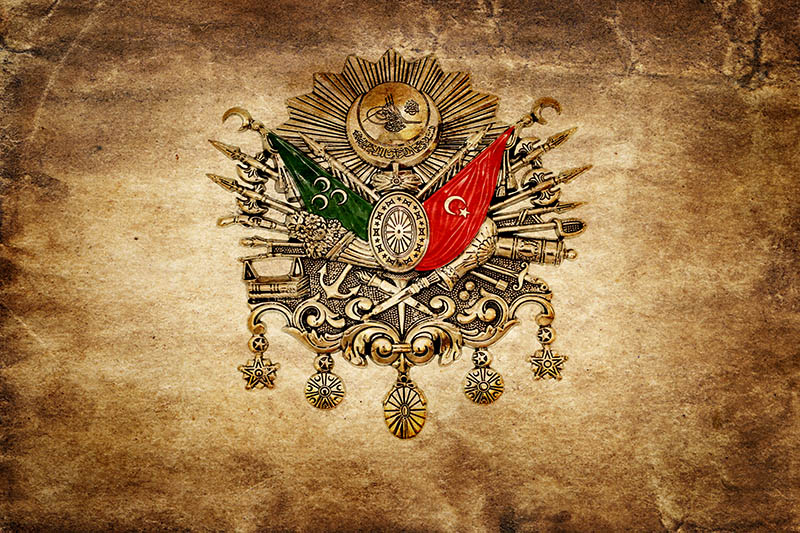
Ottoman art and architecture blended Byzantine, Seljuk, and Islamic influences to create a distinctive style marked by symmetry, central domes, and elegant decoration.
Characteristics of Ottoman Art and Architecture →
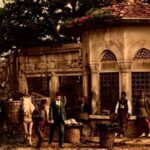
Villages and Towns Liable to Pay Taxes in the Ottoman Empire
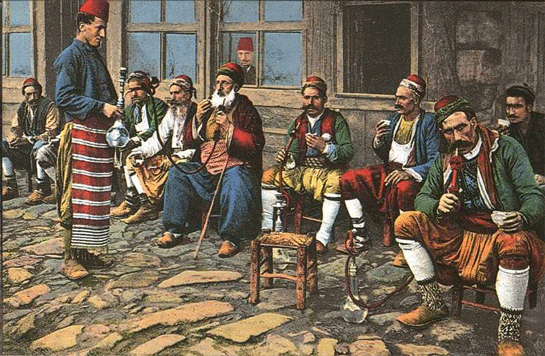
The reaya were the tax-paying villagers and townspeople of the Ottoman Empire, forming the backbone of its economy through agriculture, trade, and the timar system.
Villages and Towns Liable to Pay Taxes in the Ottoman Empire →
What Did the Ancient Egyptians Believe the World Looked Like?
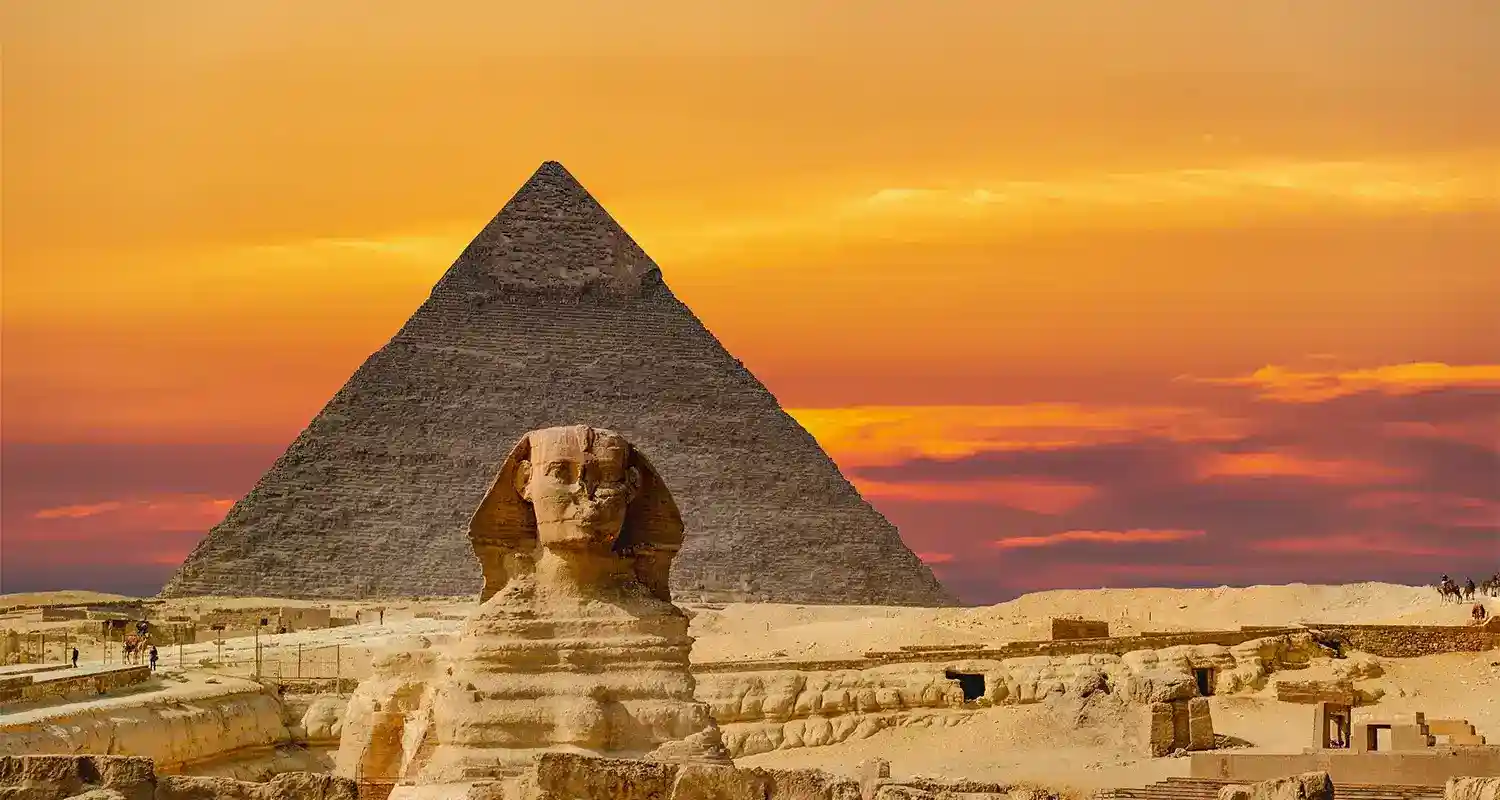
The ancient Egyptians pictured the world as a flat earth covered by the sky, with the goddess Nut representing the heavens and the god Geb embodying the land.
What Did the Ancient Egyptians Believe the World Looked Like? →
How Mimar Sinan’s Works Brought Ottoman Architecture to Its Peak
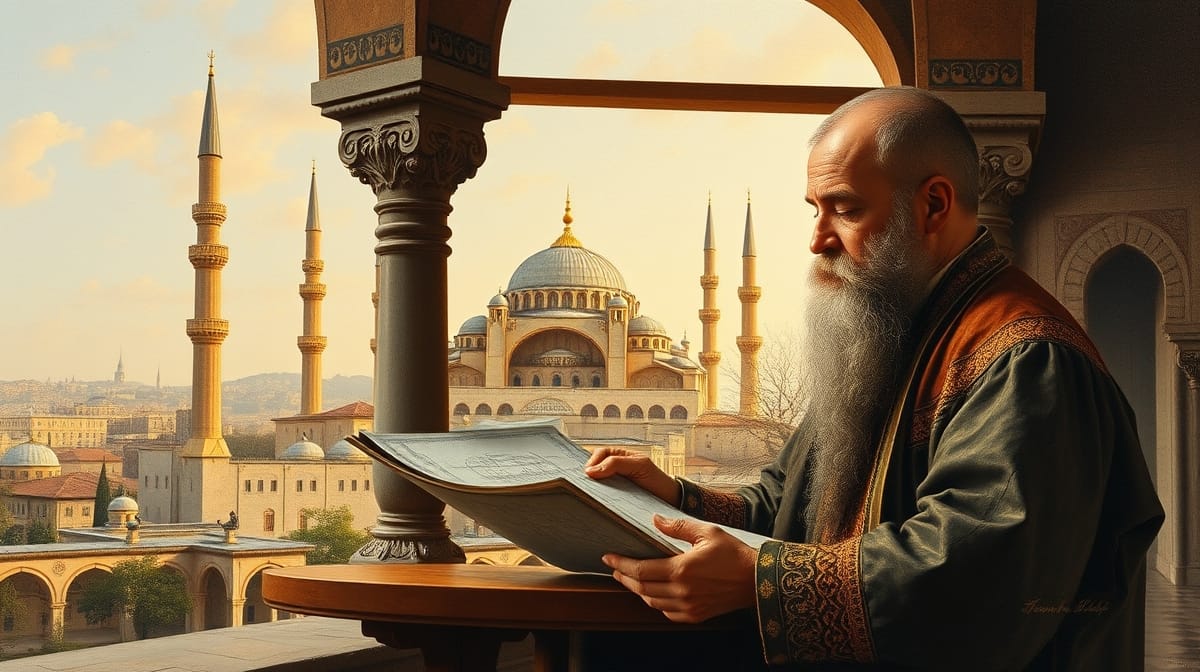
Mimar Sinan's works brought Ottoman architecture to the peak of its classical age through the dome, space, light, and the külliye system.
How Mimar Sinan’s Works Brought Ottoman Architecture to Its Peak →
Which type of writing was used for decoration purposes during the Ottoman period?
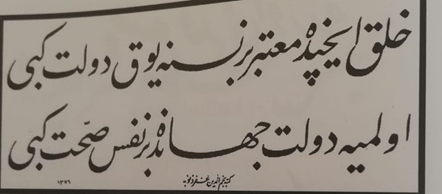
The type of writing used for decoration during the Ottoman period reflects the cultural heritage of a society that attached...
Which type of writing was used for decoration purposes during the Ottoman period? →