Why Did the Ottoman Stagnation Period Begin?

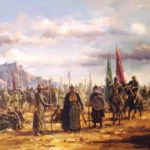
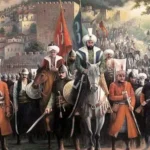
The Ottoman stagnation period began after the empire's golden age, driven by weakening central authority, palace power struggles, Janissary indiscipline, and economic decline, ultimately paving the way for territorial losses after 1699.
Why Did the Ottoman Stagnation Period Begin? →
Characteristics of the Ottoman Rise Period
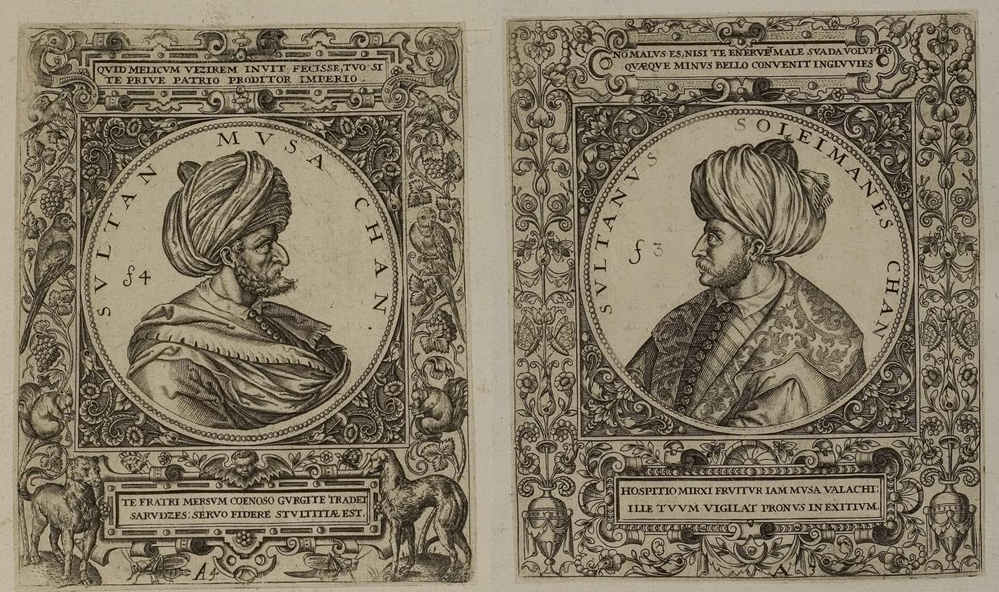
The characteristics of the Ottoman rise period reflect the era when the empire reached its political, military, and cultural peak, from the 1453 conquest of Istanbul to the late 16th century.
Characteristics of the Ottoman Rise Period →
The Role of Women in the Ottoman Period
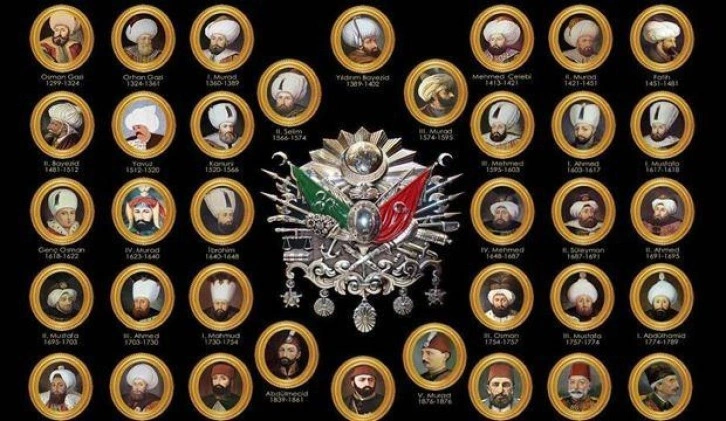
The role of women in the Ottoman period extended beyond domestic life, encompassing property ownership, inheritance, education, and access to justice under the framework of Islamic law.
The Role of Women in the Ottoman Period →
Rebellions in the Ottoman Empire and Their Causes
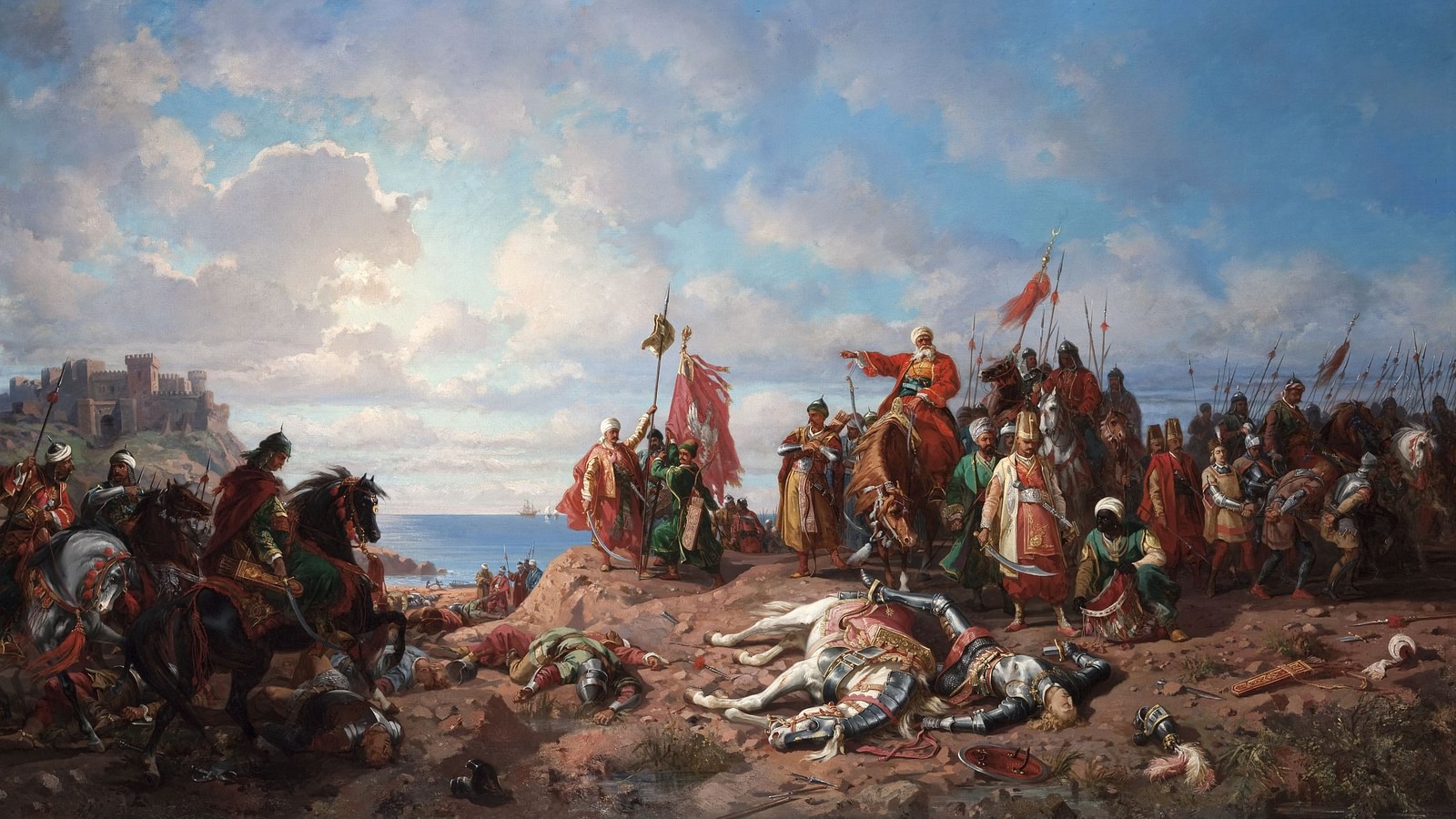
An in-depth look at the major rebellions that shook the Ottoman Empire throughout its history, from the Jelali Revolts to the Sheikh Bedreddin uprising, and the political, economic, and social causes behind them.
Rebellions in the Ottoman Empire and Their Causes →
What You Need to Know About the Ottoman-Russian Wars
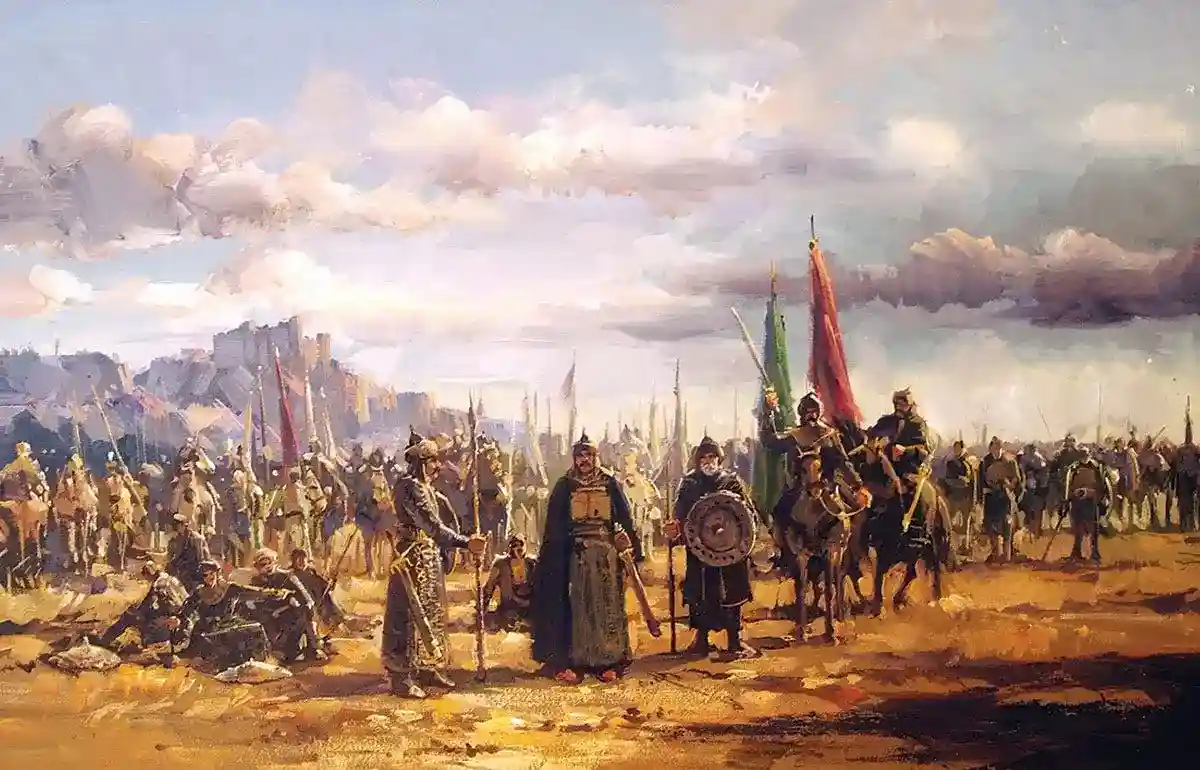
The Ottoman-Russian wars, spanning from the 17th to the 20th century, reshaped the political balance of Europe and Asia through struggles over the Black Sea, Crimea, and the Balkans.
What You Need to Know About the Ottoman-Russian Wars →
What Was the Harem System Like in the Ottoman Empire?
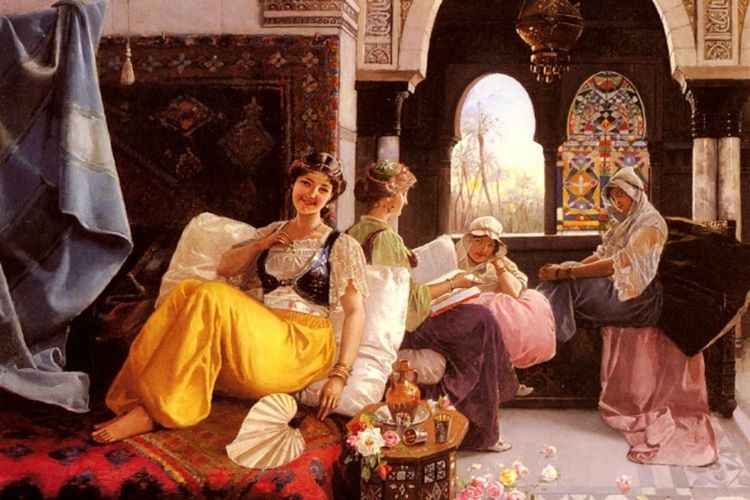
The Ottoman harem was far more than a domestic space for the sultan's wives—it functioned as a disciplined institution for educating women and raising the empire's princes.
What Was the Harem System Like in the Ottoman Empire? →
What Did the Tulip Era Mean in the Ottoman Empire?
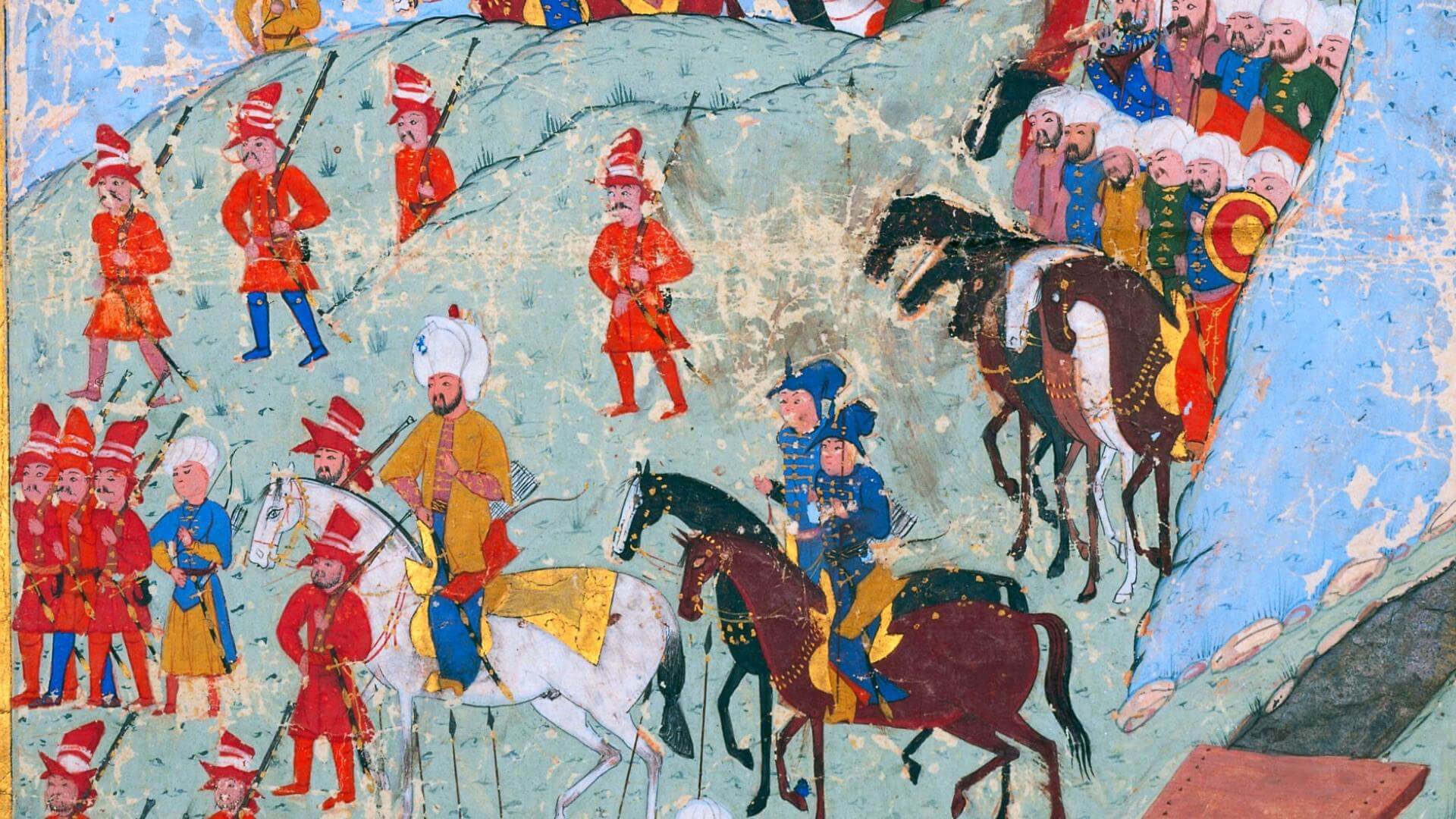
The Tulip Era (1718–1730) was a period of peace, cultural flourishing, and Western influence in the Ottoman Empire, ending with the Patrona Halil Revolt.
What Did the Tulip Era Mean in the Ottoman Empire? →
Bayezid I and the Battle of Ankara
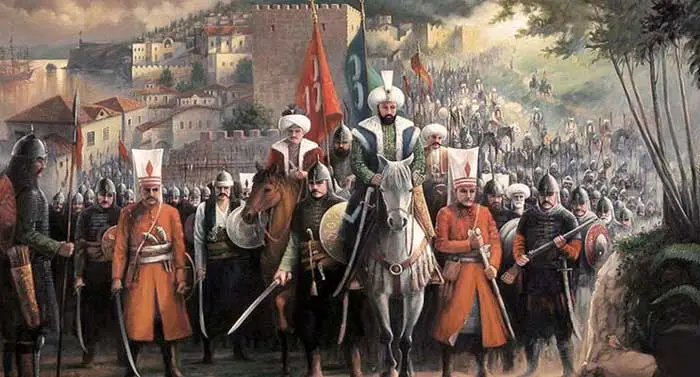
Bayezid I and the Battle of Ankara marked a turning point in Ottoman history, as the sultan's capture by Timur in 1402 plunged the empire into the Interregnum period.
Bayezid I and the Battle of Ankara →
Who Was Osman Gazi and What Did He Achieve?
Osman Gazi, founder of the Ottoman State, transformed a small frontier principality into the foundation of an empire that would last over 600 years. This article explores his life, conquests, and the achievements of his son Orhan Gazi.
Who Was Osman Gazi and What Did He Achieve? →
How Were Ottoman Princes Educated?
Ottoman prince education combined religious, academic, and military training from birth in the palace, followed by hands-on administrative experience in provincial sanjak centers.
How Were Ottoman Princes Educated? →