State Structure and Governance
The Ottoman state operated through one of history's most enduring administrative systems. This category explores how the empire was governed — the Divan-ı Hümayun (Imperial Council) that advised the sultan, the millet system that organised religious communities, the timar land-grant network that funded cavalry and provincial defence, the devshirme recruitment that staffed the palace bureaucracy, and the central role of the Şeyhülislam in religious-legal authority. Articles cover provincial administration via beylerbeyi and sanjakbeyi, the kadi judicial network, kanunname legal codes balancing sharia with customary law, and how the imperial bureaucracy adapted from Murad I's early institutions through Tanzimat-era ministries. Six centuries of governance illuminate how a multi-ethnic empire managed three continents.
Family Tree of Bulgarian Turks
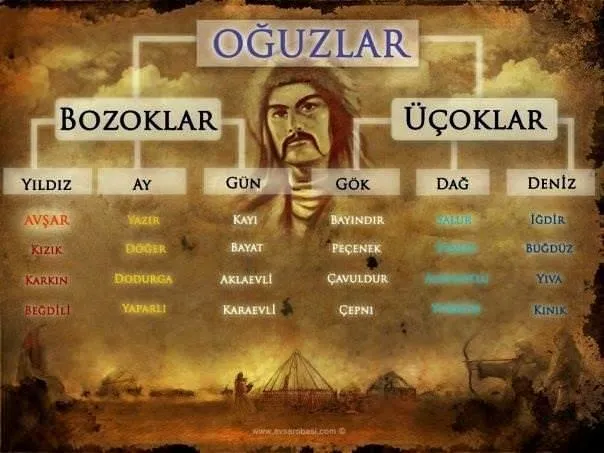
Discover how to trace the family tree of Bulgarian Turks through e-Devlet records, Ottoman archives, and migration documents, from Ottoman-era settlement to the 1989 exodus.
Family Tree of Bulgarian Turks →
What Title Did Viziers Use in the Ghaznavid State?
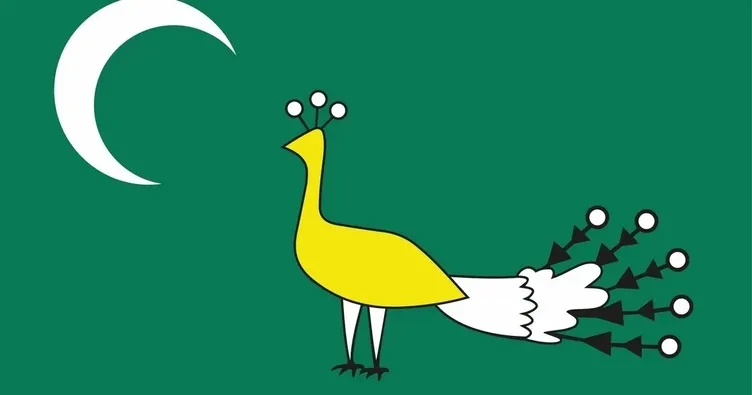
The title used by viziers in the Ghaznavid state was Khwaja-i Buzurg, meaning "great administrator," reflecting their powerful role in state governance.
What Title Did Viziers Use in the Ghaznavid State? →
The Göktürk Epic
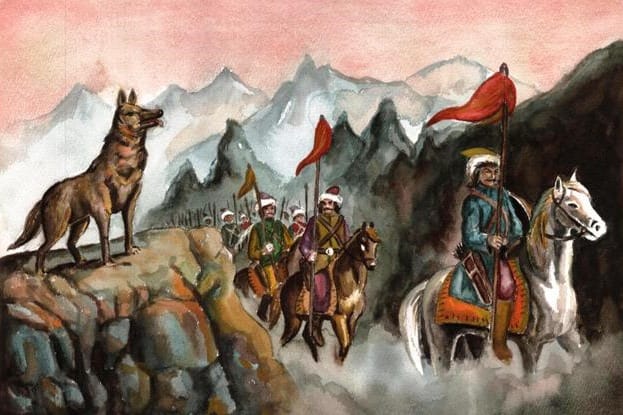
The Göktürk Epic recounts the resurgence of the Turkish nation after great hardship, centered on the sacred Grey Wolf motif and the founding of the Göktürk State.
The Göktürk Epic →
Who Were the Janissaries and What Did They Do?
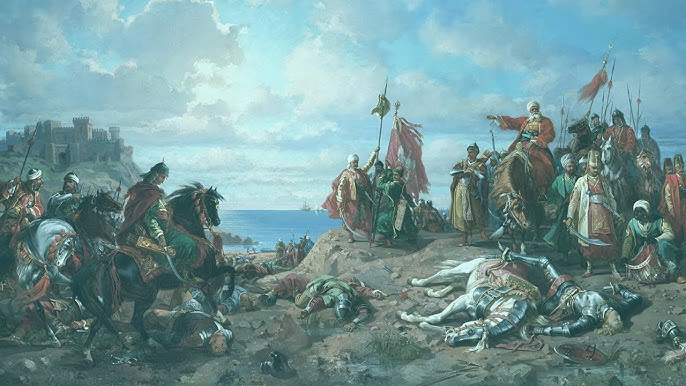
The Janissaries were the Ottoman Empire's elite, disciplined military corps, recruited through the devshirme system and tasked with warfare, palace protection, and city security until their abolition in 1826.
Who Were the Janissaries and What Did They Do? →
Exile and Execution Punishments in the Ottoman Empire
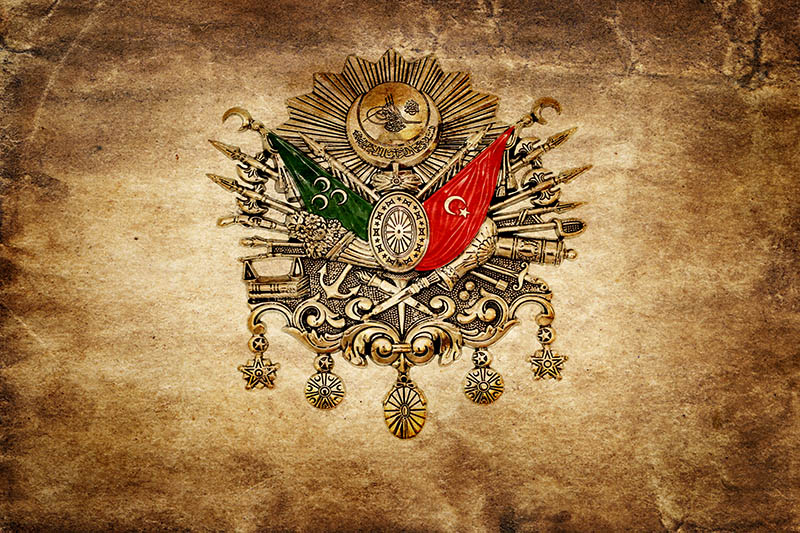
Exile and execution were among the Ottoman state's harshest punishments, used to preserve political authority and social order against rebellion, treason, and threats to the throne.
Exile and Execution Punishments in the Ottoman Empire →
How Did the Devshirme System Work in the Ottoman Empire?
The Ottoman devshirme system recruited young Christian boys to serve as loyal soldiers and administrators, playing a key role in the empire's military and administrative structure from the late 14th century onward.
How Did the Devshirme System Work in the Ottoman Empire? →
What Was the Education System Like in the Ottoman Empire?

The Ottoman education system evolved from neighborhood schools and madrasas into a diverse network shaped by religion, endowments, and later Western-style reforms. Discover how Arabic, Persian, and eventually French shaped Ottoman learning.
What Was the Education System Like in the Ottoman Empire? →
What Did an Ottoman Qadi Do? What Was Daily Life Like in the Courts?
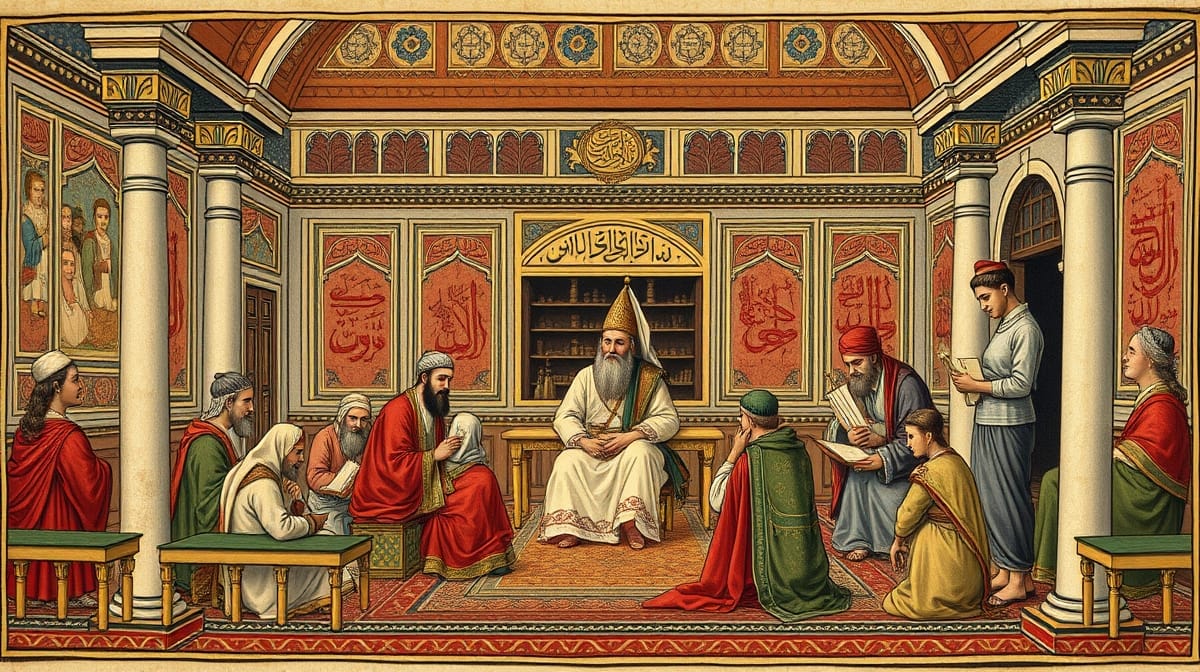
A clear overview of the Ottoman qadi's duties, court procedures, and role in family, inheritance, trade, and everyday legal life.
What Did an Ottoman Qadi Do? What Was Daily Life Like in the Courts? →
Shaykh al-Islam: How Was the Balance Between Religion and State Established in the Ottoman Empire?
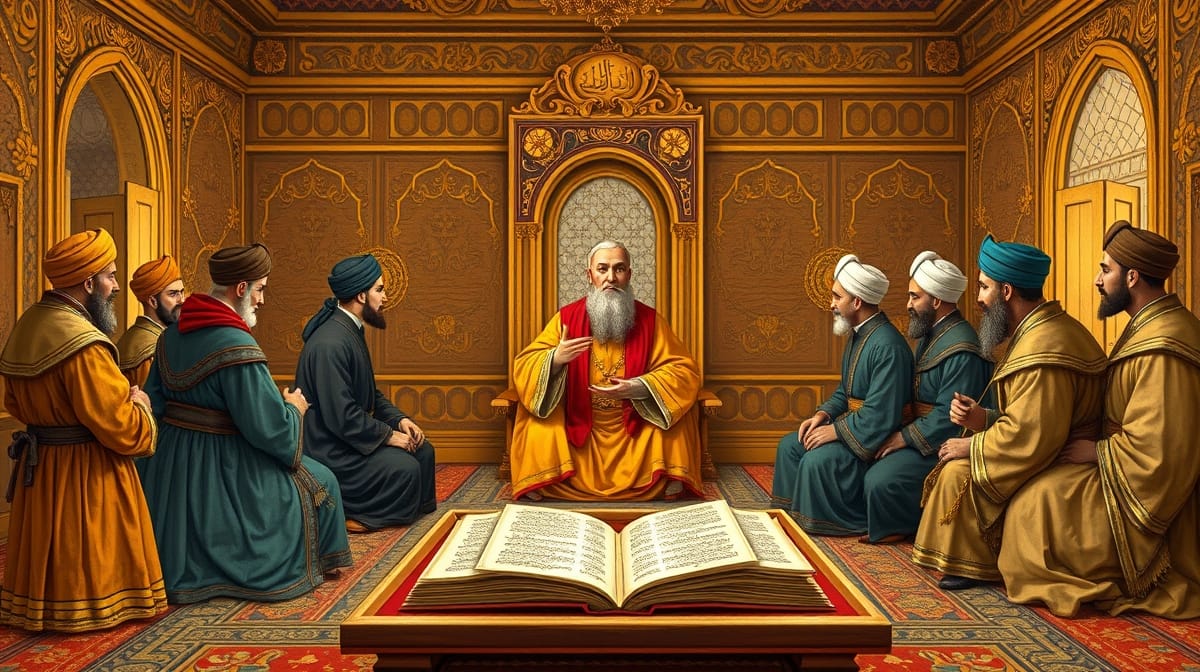
How did the office of Shaykh al-Islam balance the sultan's authority through fatwa, the scholarly class, and law in the Ottoman Empire? Discover its role in the religion-state relationship.
Shaykh al-Islam: How Was the Balance Between Religion and State Established in the Ottoman Empire? →
How Did the Caliphate Pass to the Ottomans? Historical Process and Consequences
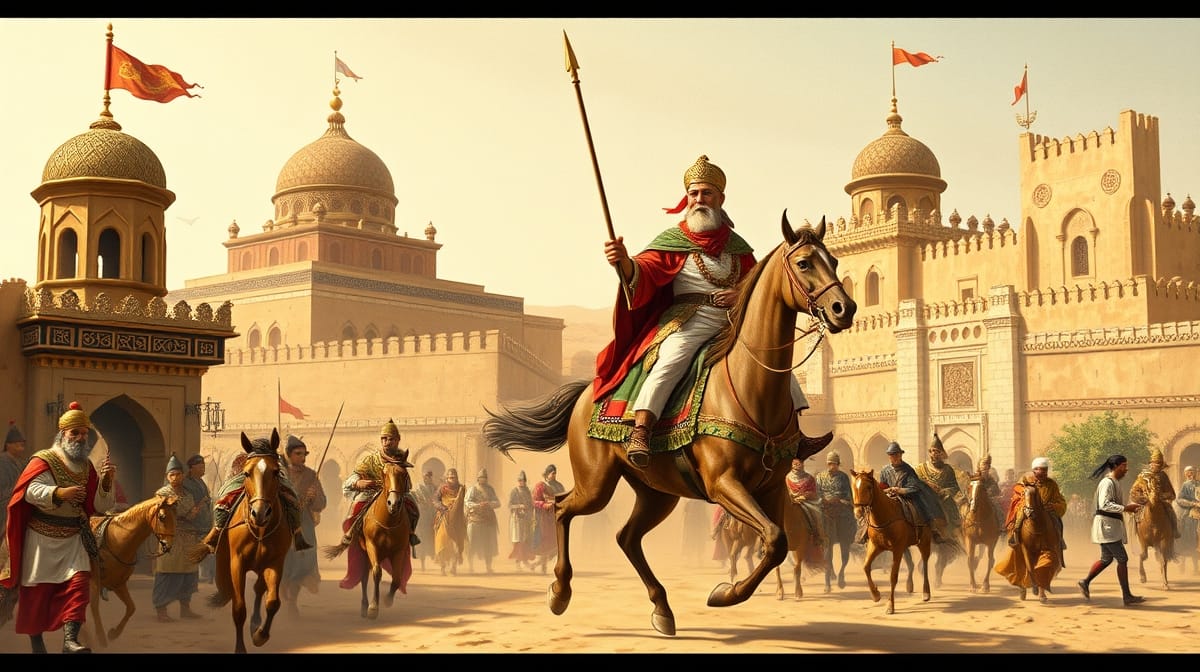
Learn how Selim I's Egyptian campaign strengthened the Ottoman claim to the Caliphate, along with its disputed aspects and long-term consequences.
How Did the Caliphate Pass to the Ottomans? Historical Process and Consequences →