Rebellions in the Ottoman Empire and their causes represent significant internal upheavals that emerged at various points throughout the empire’s long reign. From its founding onward, the Ottoman state periodically experienced uprisings, and the causes of these rebellions were rooted in political, economic, military, and social factors. Examining rebellions in the Ottoman Empire and their causes reveals that the weakening of central authority, economic deterioration, injustices, and internal power struggles were the primary factors at play.
Particularly from the late 16th century onward, the Jelali Revolts that began in the provinces severely shook the authority of the state. The dissolution occurring within the central structure of the state paved the way for provincial governors to act arbitrarily toward the population. This situation caused the rural population to be crushed under heavy tax burdens, laying the groundwork for rebellions.
The Janissaries’ gradual loss of discipline and their involvement in political affairs also led to rebellions breaking out in cities. Succession struggles within the palace grew even more complex when certain princes or viziers incited the populace to rebellion.
Foreign incitement is also among the causes of rebellions in the Ottoman Empire. Particularly in the 19th century, nationalist movements drove various peoples toward independence movements. This simultaneously increased internal unrest and threatened the territorial integrity of the state. The main causes of rebellions in the Ottoman Empire are as follows:
- Weakening of central authority
- Increasing economic hardship
- Injustice and heavy tax burdens
- Deterioration of the Janissary Corps
- Succession struggles and palace intrigues
- Nationalist movements and foreign incitement
What Were the Rebellions in the Ottoman Empire?
Rebellion movements in the Ottoman Empire emerged at different times and in various regions. The phenomenon of rebellion in the Ottoman Empire was most intense during periods when the state’s central authority weakened and the economic and social order deteriorated. Each of these rebellions was based on different grievances and left different marks on the Ottoman state.
One of the first major rebellions is known as the revolt of Prince Bayezid. This event, which occurred during the reign of Selim I, was a rebellion stemming from a struggle for the throne. Later, the Jelali Revolts, which began toward the end of the 16th century, caused great devastation in Anatolia. These rebellions were rooted in causes such as heavy taxes and the deterioration of the timar system. The main rebellions that occurred in the Ottoman Empire are as follows:
- The Revolt of Prince Bayezid
- The Jelali Revolts
- The Janissary Revolt against Osman II
- The Patrona Halil Revolt
- The Kabakçı Mustafa Revolt
- The Serbian and Greek Revolts
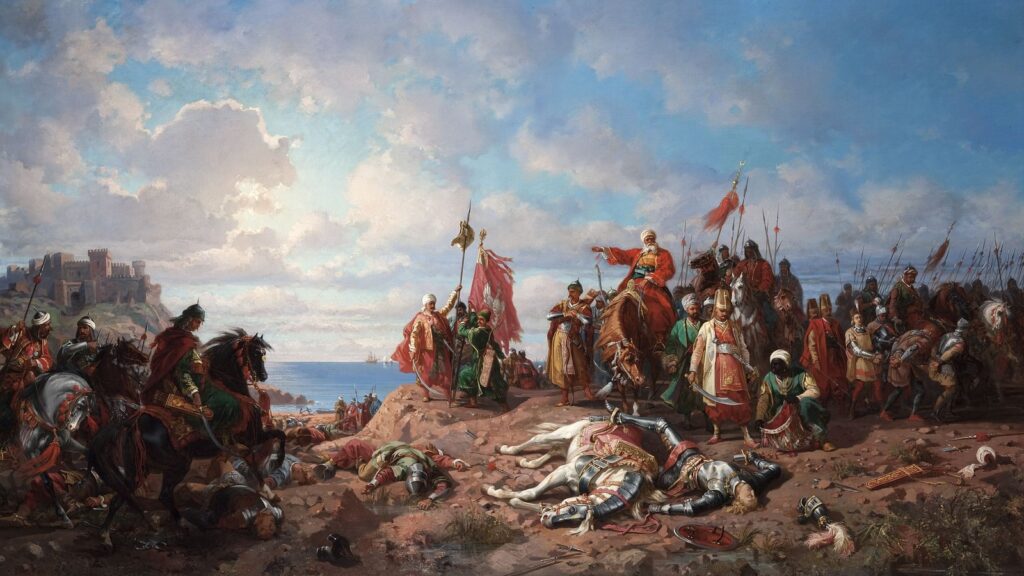
Who Was the First to Rebel Against the Ottoman Empire?
Rebellions also occurred in the early periods of Ottoman history. Sheikh Bedreddin is generally regarded as the first person to rebel against the Ottoman Empire. Sheikh Bedreddin led a rebellion movement in the early 15th century, during the reign of Mehmed I (Çelebi Mehmed). This event is considered one of the first major social movements the Ottoman state encountered during its founding and expansion process.
The Sheikh Bedreddin Rebellion was not merely a political movement but also an uprising that embodied demands for social equality and justice. Sheikh Bedreddin sought to bring together people of different religions and sects for an equal life, and these ideas were perceived as a threat by the Ottoman administration. The first rebellion movement against the Ottoman Empire is as follows:
- The Sheikh Bedreddin Rebellion
- An uprising based on social and religious equality
- Took place during the reign of Mehmed I (Çelebi Mehmed)
- Increased the importance the state placed on central authority
Through the Bedreddin rebellion, the Ottoman state realized the necessity not only of military intervention but also of developing policies aimed at the economic and social contentment of the people. This situation shaped the Ottoman state’s internal and external governance policies for many years to come.