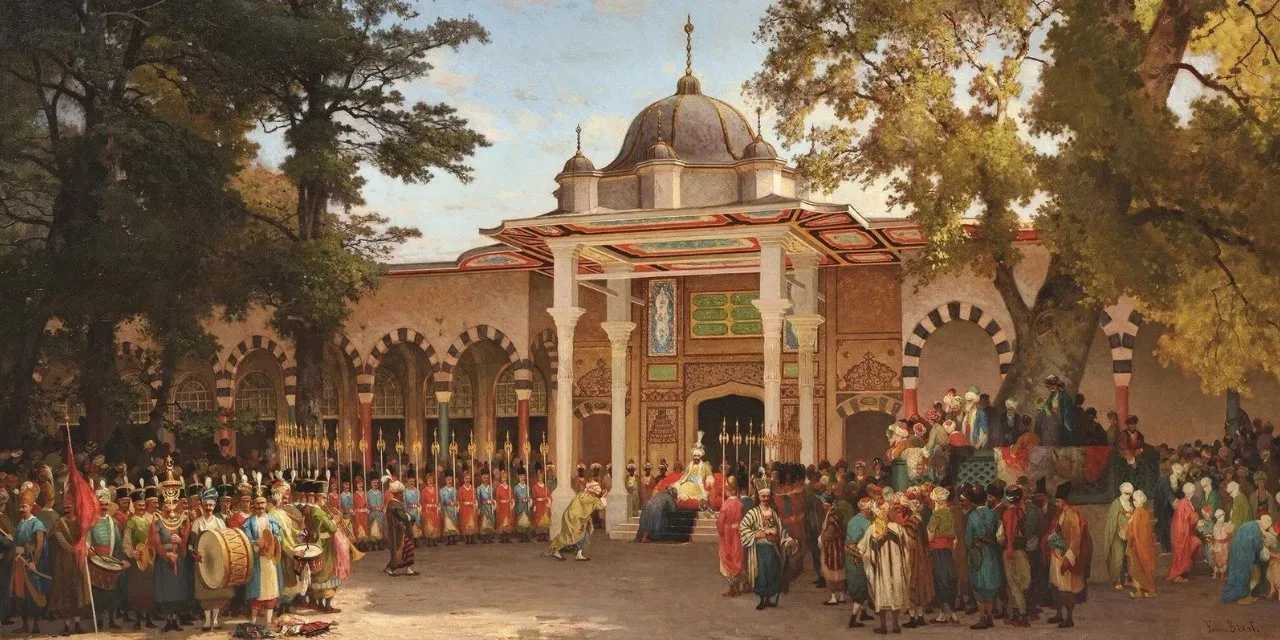
The Ottoman Empire, which endured for more than 600 years and left an indelible mark on world history, was not only a great state but also the creator of many important works in the artistic and cultural sphere. Ottoman sultans are known not merely for their wars but also for their contributions to architecture, literature, and cultural heritage. In this article, we will examine the influence of Ottoman sultans on art and the traces they left behind.
Architecture: Grandeur and Aesthetics
Ottoman architecture is one of the most distinctive and enduring legacies of the empire. The works of great masters such as Mimar Sinan reflect the architectural approach and aesthetic values of the period. Ottoman sultans reshaped the skylines of cities by commissioning mosques, palaces, bridges, and other public structures.
The Süleymaniye Mosque, built during the reign of Suleiman the Magnificent, is regarded as one of the pinnacles of architecture. This mosque stands out both for its architectural qualities and its social and cultural functionality. By supporting architectural projects, the sultans commissioned not only religious buildings but also social service facilities, madrasas, and libraries. This greatly contributed to the educational and cultural development of Ottoman society.
You might also be interested in Ottoman Expansion under Orhan Gazi.
Literature: Poetry and Prose
The Ottoman period was also one in which significant literary works were produced. The sultans themselves were recognized as poets and writers, and they encouraged literary activities. Sultans such as Bayezid II, Mehmed the Conqueror, and Suleiman the Magnificent both produced their own works and supported contemporary artists.
Divan literature is one of the most important genres of Ottoman literature. Poems written during this period explored themes such as love, nature, and mysticism (Sufism). By preserving and publishing literary works, the sultans carried this cultural heritage forward to future generations. Moreover, the literary movements that flourished under the sultans’ patronage enabled many artists to develop their craft.
Cultural Heritage: From Tradition to the Future
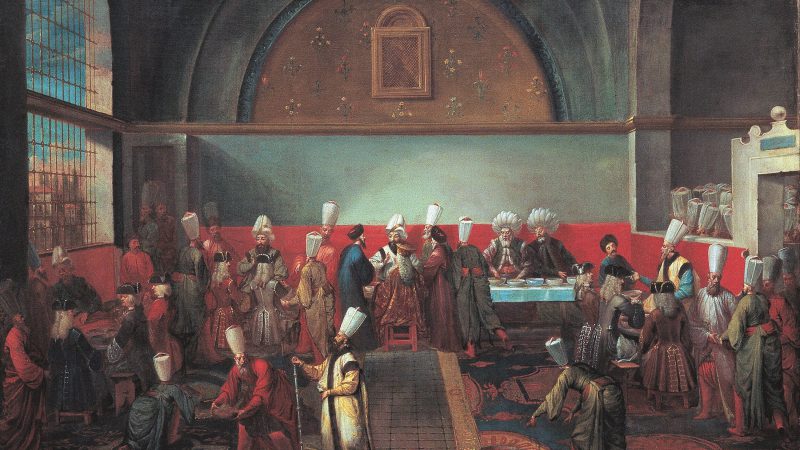
Thanks to their support of art and culture, Ottoman sultans left behind a rich cultural heritage. This legacy is not limited to architecture and literature alone; it also encompasses many other disciplines such as music, miniature painting, and calligraphy. Since the Ottoman Empire was a structure in which different ethnic groups and cultures coexisted, this diversity was reflected in art and created a rich cultural mosaic.
Today, artworks from the Ottoman era attract great interest not only in Turkey but around the world, and they are the subject of numerous exhibitions and academic studies. Carrying traces of the past, this heritage continues to play an important role in the process of integration with modern art and culture.
Conclusion
Ottoman sultans were not merely military and political leaders; they also played significant roles in the development of art and culture. Architectural works, literary achievements, and a rich cultural heritage reinforce the Ottoman Empire’s place in world history and continue to serve as a source of inspiration today. In this context, the contributions of Ottoman sultans to art carry lasting historical value and continue to shed light on the future.