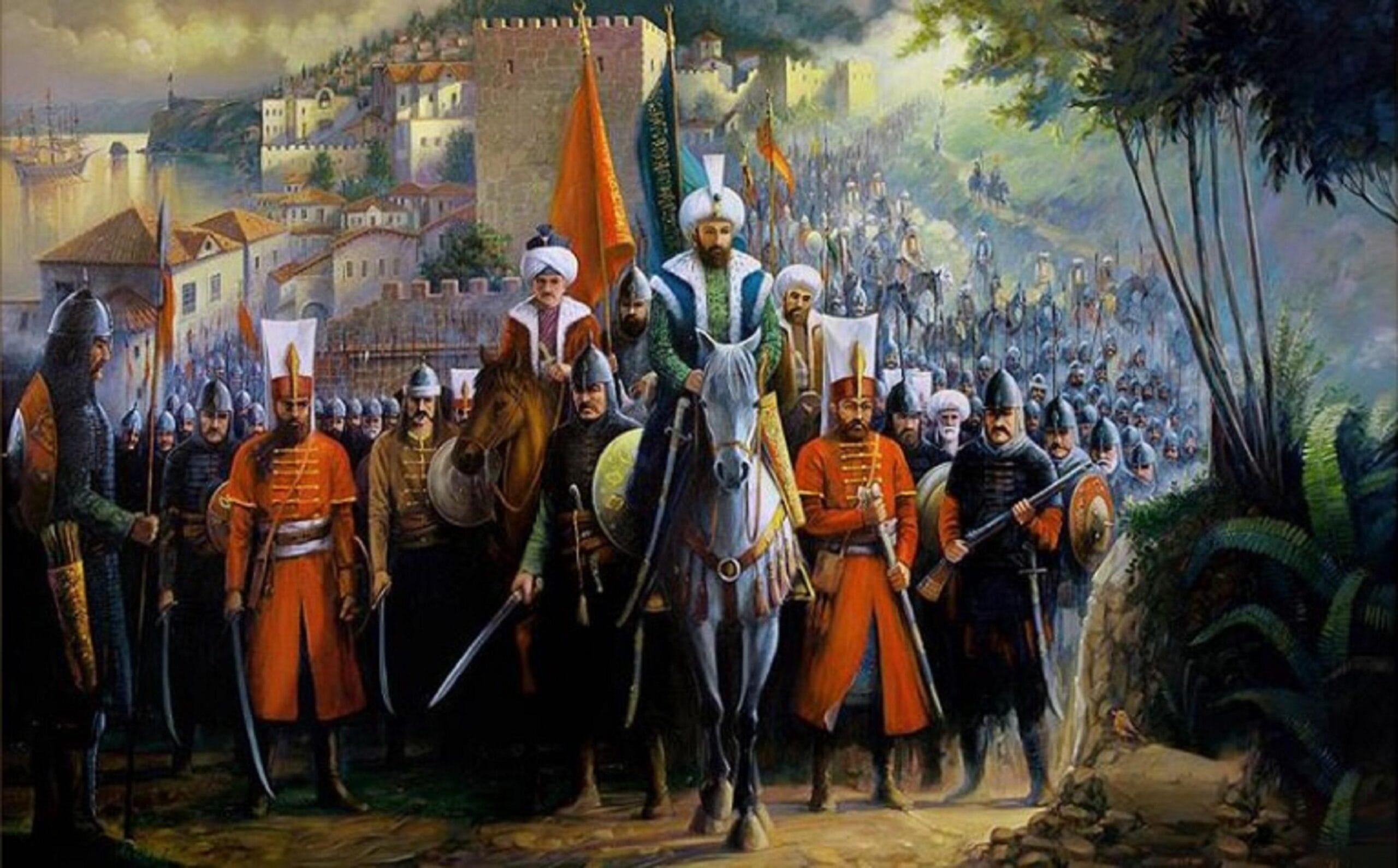
Throughout its long history spanning from the 14th to the 20th century, the Ottoman Empire was ruled by many sultans. The sultans of this era effectively combined both military and civil administration, contributing to the empire’s expansion and long-term stability. The governance strategies and reforms of the Ottoman sultans played a significant role in the empire’s development.
The Sultans’ Approach to Governance
The Ottoman sultans regarded the state as God’s representative on earth. This understanding strengthened the sultan’s authority and increased loyalty to the state. To maintain their reign, the sultans established a strong central authority and built an effective administrative structure at every level of the state. This structure was maintained through laws regulating the state’s functioning, Imperial Council meetings, and provincial administrations.
Reforms and Innovations
The Ottoman sultans carried out various reforms to adapt to changing conditions over time. These reforms gained particular momentum in the 19th century.
1. The Tanzimat Reforms: Beginning in 1839, these reforms formed the cornerstones of the Ottoman Empire’s modernization process. During this period, significant changes were made in law, education, finance, and the military, and efforts were made to secure individual rights.
2. The Reform Edict (Islahat Fermanı, 1856): This edict aimed to grant equal rights to all Ottoman citizens, and steps were taken to reduce religious and ethnic discrimination.
3. Educational Reforms: The Ottoman sultans aimed to advance science and technology by modernizing the education system. New schools were opened, and curricula were updated.
You may also be interested in Ottoman Expansion During the Reign of Orhan Gazi.
Conclusion
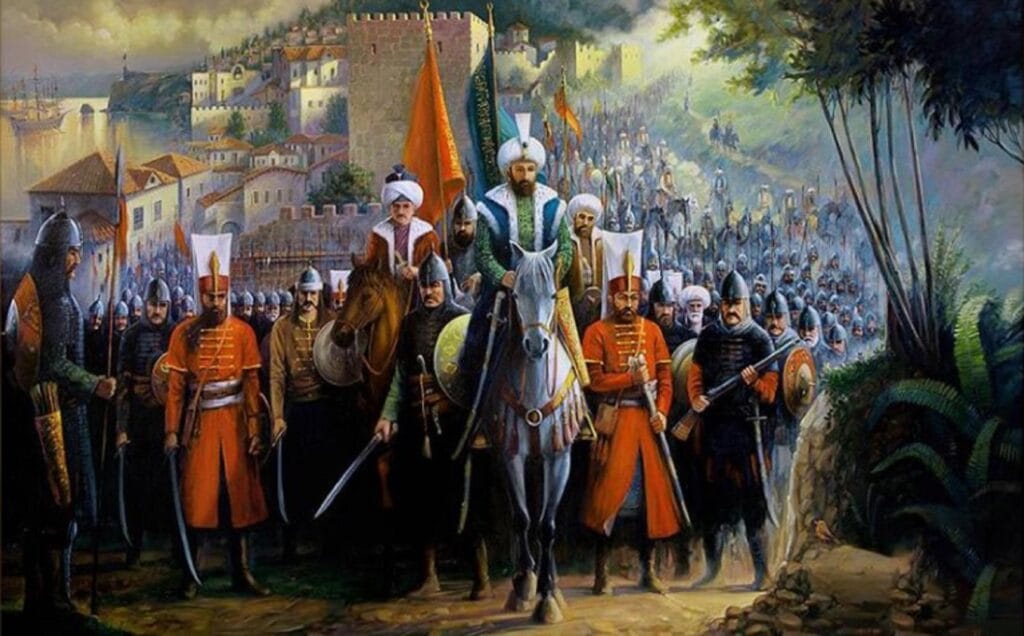
The governance strategies and reforms of the Ottoman sultans played a crucial role in the empire’s longevity. An administrative approach that enabled different ethnic and religious groups to coexist, the effectiveness of the bureaucracy, and the reforms carried out all helped the Ottoman Empire preserve its power. However, the difficulties that arose over time and changing world conditions limited the effectiveness of these strategies and reforms, ultimately leading to the empire’s collapse. The legacy of the Ottoman sultans continues to influence contemporary concepts of state administration today.








1 thought on “Ottoman Sultans and State Administration: Governance Strategies and Reforms”