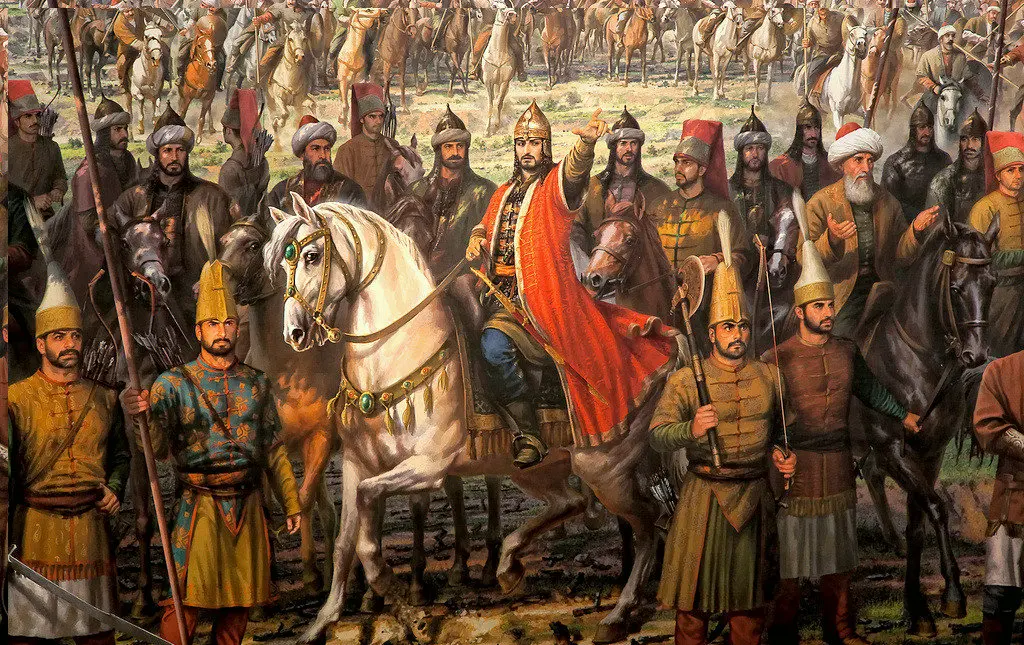
Ottoman boy names consisted largely of Islamic names of Arabic origin; the most common were Mehmed, Ali, Mustafa, Ahmed, Hasan and Hüseyin. In the founding period, however, Turkish names such as Turgut, Saltuk and Gündüz stood out. Men were often known not by their names alone but together with epithets (lakap), kunyas and nisbas indicating where they were born.
Quick Summary
- The most common names were those of the Prophet and his family: Mehmed, Ahmed, Mustafa, Ali, Hasan, Hüseyin.
- In the founding period, Turkish names such as Ertuğrul, Gündüz, Turgut and Saltuk were common.
- A child was named on the first day after birth or by the seventh day at the latest.
- In learned circles, some names were used together with particular epithets: Şemseddin for Ahmed, Alaeddin for Ali, and so on.
- There were no surnames in the Ottoman Empire; their use began with the law passed in 1934.
Contents
- The naming tradition
- The most common names and their meanings
- The names of the sultans
- Turkish names of the founding period
- Epithets used with names
- Kunya, nisba and pen name
- The change brought by the Surname Law
- Frequently asked questions
Ottoman Boy Names and the Naming Tradition
Naming was part of the religious practices that accompanied a birth. According to the TDV Encyclopedia of Islam entry on the child (Çocuk), the call to prayer (ezan) was recited into the baby’s right ear and the iqama (kamet) into the left. The child was given a name on the first day after birth or by the seventh day at the latest.
The encyclopedia stresses that a name should not expose the child to ridicule or belittle him. In this connection it cites the hadith of the Prophet: “On the Day of Judgment you will be called by your own names and the names of your fathers, so choose good names.” For this reason, most Ottoman boy names were taken from the names of prophets, of the Companions and of religious figures.
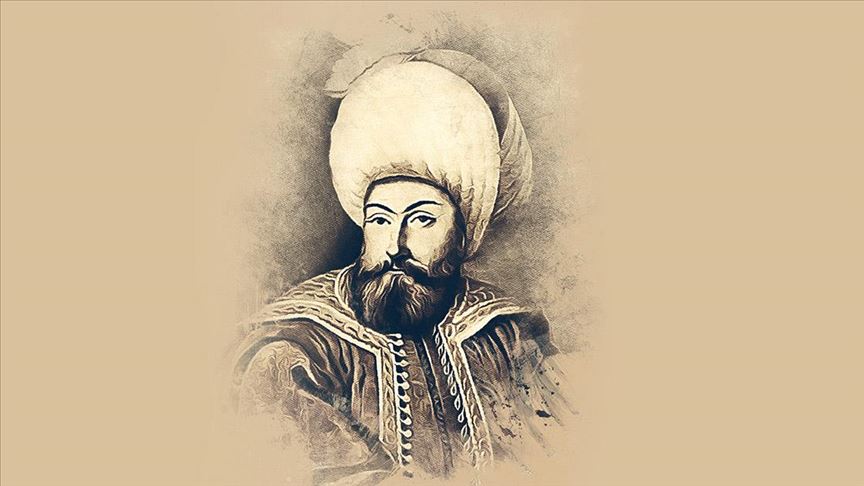
The Most Common Names and Their Meanings
The table below shows the most common Ottoman boy names and their meanings:
| Name | Origin | Meaning |
|---|---|---|
| Mehmed (Muhammad) | Arabic | Praised |
| Ahmed | Arabic | One who praises much, much praised |
| Mahmud | Arabic | Praised |
| Mustafa | Arabic | Chosen |
| Ali | Arabic | Exalted |
| Hasan | Arabic | Beautiful, good |
| Hüseyin | Arabic | Little beautiful one (diminutive of Hasan) |
| Selim | Arabic | Sound, flawless |
| Murad | Arabic | Wish, desire |
| Abdullah | Arabic | Servant of God |
Many of these names are linked to the names of the Prophet. According to the TDV Encyclopedia of Islam entry on Ahmed, Ahmed comes from the root “hamd” and means both “one who praises much” and “one who is much praised.” Muhammad and Mahmud, from the same root, mean “praised.” The encyclopedia notes that Mustafa, meaning “chosen,” was also one of the Prophet’s common names.
Names Beginning with “Abd”
Names were also formed by placing the word “abd,” meaning “servant,” before one of the beautiful names of God. Abdullah means “servant of God,” Abdurrahman “servant of the Merciful” and Abdülkadir “servant of the Powerful.” The sultans’ names Abdülhamid, Abdülmecid and Abdülaziz were formed on the same pattern. These names express devotion to God’s names Hamid, Mecid and Aziz.
Among the people, the name Muhammad was usually pronounced “Mehmed.” According to a common explanation, this pronunciation arose from the wish to distinguish the names of other people from the Prophet’s name out of respect. Names of prophets such as Yusuf, İbrahim, Süleyman, İsmail and Yakub were also very common.
Names of the Companions and Caliphs
Ebubekir, Ömer, Osman and Ali, the names of the four caliphs, were also frequently chosen as Ottoman boy names. Names of Companions such as Hamza, Abbas, Bilal and Halid were common as well. These names reflected families’ wish to keep alive the memory of the people they held up as models for their children. The same name was passed down in a family from generation to generation, and a grandfather’s name lived on in his grandson.
The Names of the Sultans
The names of the thirty-six sultans also reflect the Ottoman boy names preferred in the period. The name Mehmed appears most often on this list; six sultans bore it. It is followed by Murad with five sultans and Mustafa with four. Ahmed, Osman and Selim were each borne by three sultans.
The names Süleyman, Mahmud, Bayezid and Abdülhamid were each used twice. Orhan, İbrahim, Abdülmecid and Abdülaziz are the names of only one sultan each. Osman, the name of the founder, lived on in later centuries as a respected name within the dynasty. We discussed the sultans’ epithets in our article on Osman Bey’s epithet.
Turkish Names of the Founding Period
Turkish names were very common among Ottoman boy names in the first generations of the principality. According to the TDV Encyclopedia of Islam entry on Osman I, the founder’s companions were warriors (alp) such as Turgut, Aykut, Saltuk and Hasan. His brother was named Gündüz, and his brother’s son Aydoğdu. His father was named Ertuğrul and his son Orhan.
The Turks had an old tradition of giving names and epithets. According to the TDV Encyclopedia of Islam entry on the epithet (Lakap), Mahmud of Kashgar writes that the expression “to throw a horse” was used for giving an epithet. In the Book of Dede Korkut, a child did not receive a name before showing heroism. The son of Dirse Khan received the name Bugaç because he had overcome a bull.
The encyclopedia also draws attention to the title “alp” borne by the founder’s ancestors. Seen in names such as Gündüz Alp and Turgut Alp, this title described brave warrior leaders. Although Islamic names of Arabic origin gained ground over time, Turkish names never disappeared entirely from Ottoman boy names. You can also find the names of the founding period in our article Who was Osman Gazi?.
Epithets Used with Names
A man was often known by an epithet alongside his name. According to the TDV Encyclopedia of Islam entry on the epithet, in the learned profession in particular some names were used together with particular epithets. The best-known examples are “Şemseddin” for Ahmed, “Alaeddin” for Ali and “Hüsameddin” for Hüseyin.
The encyclopedia gives other examples as well. Mahmud was known as “Bedreddin,” Mustafa as “Muslihuddin” and Yusuf as “Sinaneddin” or “Ziyaeddin.” For İbrahim “Taceddin” was common, and for İlyas “Fahreddin” or “Şücaüddin.” According to the encyclopedia, statesmen, on the other hand, were often given epithets according to where they were born, their family’s profession or one of their habits.
An epithet could belong not only to an individual but to an entire family. According to the encyclopedia, almost every family in Anatolia had a family epithet, and in the cities people knew one another by these epithets. When people moved, epithets could even be translated into other languages. For example, the Kemikoğulları family of Konya became known in Damascus as the Azmzades, a name with the same meaning (“sons of the bone”).
Kunya, Nisba and Pen Name
There were other elements used alongside the name. According to the TDV Encyclopedia of Islam, the kunya is the practice of being called after one’s child, usually the firstborn, as in Abu Bakr or Abu’l-Qasim. This usage was more common in the Arab tradition. Bayezid, the name of two sultans, is in fact derived from the kunya “Abu Yazid.”
The nisba was a form of naming that linked a person to a place, family, tribe, school of law or profession. According to the encyclopedia, most of the ulema were known by the city they came from. The name of a scholar’s home city was added to his name, so that people bearing the same name could be told apart.
Poets used a pen name, or mahlas, in their poems. According to the encyclopedia, the mahlas was the pen name used by divan poets in their verse. Many poets became better known by their pen names than by their real names.
The Change Brought by the Surname Law
Ottoman society had no surnames in today’s sense. People were distinguished from one another by their father’s name, their epithets, their professions or their hometowns. This system changed in the Republican era with the Surname Law adopted in 1934.
With the law, every family was required to take an official surname. According to the TDV Encyclopedia of Islam, some suitable family epithets were adopted as surnames unchanged or with small changes. The tradition of knowing one another by epithets nevertheless continued for a long time and weakened only with the heavy migration of recent years.
Frequently Asked Questions
What were the most common Ottoman boy names?
Mehmed, Ali, Mustafa, Ahmed, Hasan, Hüseyin, İbrahim, Yusuf and Süleyman were among the most common names. Most of them are the names of the Prophet, his family or other prophets.
When was a child named in the Ottoman Empire?
A child was named on the first day after birth or by the seventh day at the latest. At this time the call to prayer and the iqama were recited into the baby’s ears.
Were there Turkish names among Ottoman boy names?
Yes. Especially in the founding period, Turkish names such as Ertuğrul, Orhan, Gündüz, Turgut and Saltuk were common.
Which name was used most often among the sultans?
The most frequently used name was Mehmed, borne by six sultans. It is followed by Murad with five sultans and Mustafa with four.
Are Mehmed and Muhammad the same name?
Yes, Mehmed is the popular pronunciation of the name Muhammad. Both mean “praised.”
Conclusion
Ottoman boy names reflect a rich tradition in which Islamic and Turkish names lived side by side. Names such as Mehmed, Ahmed, Mustafa and Ali remained the most popular for centuries. Together with epithets, kunyas and nisbas, the name completed a person’s identity. With the adoption of surnames in 1934, this system gave way to the one used today.






1 thought on “Ottoman Boy Names”