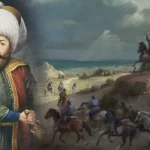
Mehmed the Conqueror is regarded as one of the most important figures in Turkish and Islamic history. The conquest of Istanbul on 30 May 1453 was not merely the capture of a city, but also marked the beginning of a civilizational transformation. This conquest solidified the foundations of the Ottoman Empire and shifted the balance of power between Europe and Asia.
The Young Sultan’s Goals
When Mehmed the Conqueror ascended the throne at the age of 21, he aimed to expand the borders of the Ottoman Empire and bring an end to the Byzantine Empire. Despite his young age, he drew attention for his strategic thinking and knowledge of military tactics. The conquest of Istanbul demonstrated his determination and vision for building an empire.
The Historical Significance of Istanbul
Istanbul, a city that had hosted many civilizations throughout history, occupied a strategic position. Serving as a crossroads between East and West, the city lay on major trade routes. By conquering Istanbul, Mehmed the Conqueror not only brought an end to the Byzantine Empire but also strengthened the power of the Ottoman Empire by making the city its capital.

You may also be interested in Ottoman Expansion During the Reign of Orhan Gazi.
Preparations and Strategies for the Conquest
Mehmed undertook an extensive process of preparation for the conquest of Istanbul. He assembled a powerful army for the siege of the city and equipped it with siege weapons, including the most advanced cannons of the era. With the construction of Rumeli Fortress (Rumeli Hisarı) in 1452, he secured control of the Bosphorus. The siege began on 6 April 1453 and lasted 53 days. During the siege, the Ottoman army employed various strategies to breach the city walls.
Results and Effects
The conquest of Istanbul was not only a military achievement but also the beginning of a cultural and social transformation. After the conquest, Mehmed the Conqueror encouraged various religious and ethnic groups to live together in Istanbul. The city quickly became a center of culture and science.
The conquest accelerated the rise of the Ottoman Empire and represented a crucial step toward expanding the empire’s borders. Istanbul was no longer just a city; it became a symbol of Ottoman identity and Islamic culture.
The Legacy of Mehmed the Conqueror
With the conquest of Istanbul, Mehmed the Conqueror opened the doors not only to a city but to an entire era. His vision and leadership formed the foundation of the Ottoman Empire’s effective governance for many years to come. Today, Istanbul, with both its historical and cultural riches, continues to keep the legacy of Mehmed the Conqueror alive.
Mehmed the Conqueror left an indelible mark on the pages of history with the conquest of Istanbul and laid the foundations of the empire. His story is one of success where leadership, courage, and strategic thinking converge.








1 thought on “Mehmed the Conqueror: The Conquest of Istanbul and the Foundations of an Empire”