Throughout its long history spanning from the 14th to the 20th century, the Ottoman Empire was one of the most significant and influential states in world history. The Ottoman sultans shaped not only the administration of the empire but also the political, social, and cultural dynamics of the Islamic world. This article focuses on the leadership qualities of the Ottoman sultans and the impact they left on the Islamic world.
Leadership Qualities of the Ottoman Sultans
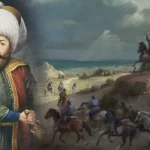
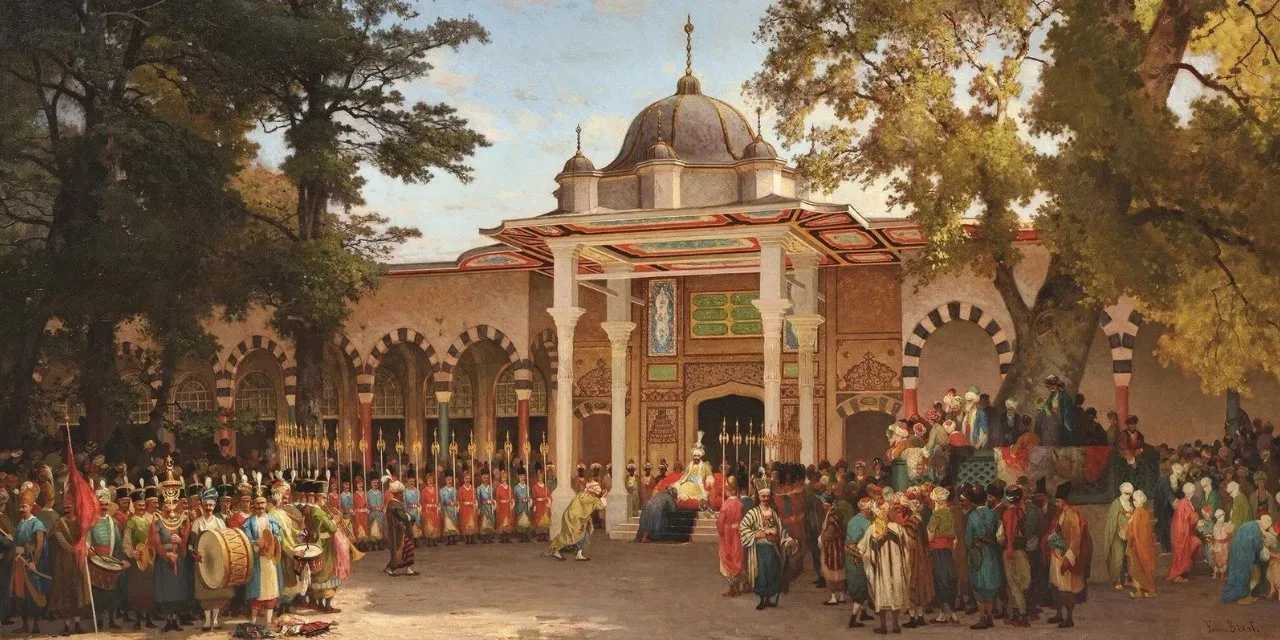
The Ottoman sultans held strong authority in state administration. The sultan was regarded both as a political leader and as a representative of Islam. This situation allowed the sultans to establish a close relationship between their religious and political authority. Sultans such as Mehmed the Conqueror and Suleiman the Magnificent were known not only for their military achievements but also for their just administration and cultural contributions.
The sultans played an active role in every area of the state, carrying out significant reforms particularly in law, education, and architecture. In this context, Suleiman the Magnificent’s legal regulations and the works of Mimar Sinan (the chief royal architect) positively influenced both the internal and external dynamics of the Ottoman Empire.
Influence in the Islamic World
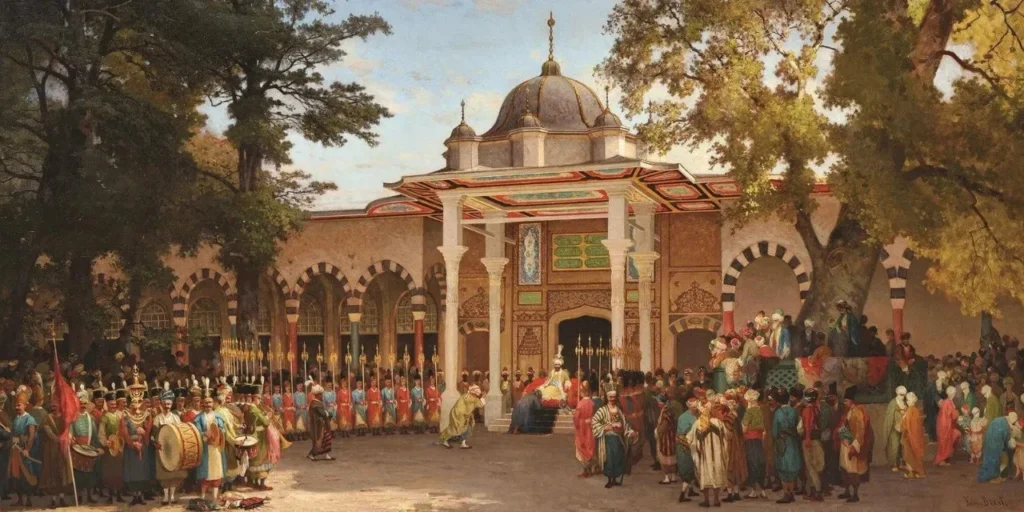
The Ottoman Empire became a central power in the Islamic world and held influence over many Islamic states. By assuming leadership of the Islamic world, the sultans contributed to the spread and strengthening of Islam across different regions. Particularly in the 16th century, the Ottoman Empire became the political and cultural center of Islam.
The leadership of the Ottoman sultans also created significant effects on other states in the Islamic world. By using their religious leadership and caliphate, the sultans strengthened their relations with other Islamic states and promoted the idea of Islamic unity. This led to the Ottoman Empire being recognized not only as a military power but also as a spiritual authority.
You may also be interested in the article Ottoman Expansion During the Reign of Orhan Gazi.
Cultural and Scientific Contributions
The Ottoman sultans also made significant contributions in the fields of art and science. The palace became a center where artists and scholars gathered. Art, architecture, literature, and science flourished greatly during the Ottoman period. During this time, many important works emerged, and these works have survived to the present day as a cultural heritage of the Islamic world.
In particular, the Ottoman Empire’s interaction with different regions encouraged cultural exchange, thereby enabling a rich cultural mosaic to form within the Islamic world. The sultans led various efforts to preserve and develop this richness.
The comprehensive list titled Who Are the Ottoman Sultans in Order? also completes the full picture of this topic.
Conclusion
The Ottoman sultans held an important place in the Islamic world not only as political leaders but also as cultural and religious authorities. Throughout the long history of the empire, the sultans played a major role in the spread of Islam, the preservation of cultural richness, and the effectiveness of state administration. The legacy of the Ottoman Empire is still felt today, and the leadership qualities of these sultans continue to serve as an example in the Islamic world.