The Reign of Murad II and the Battle of Varna reflects a period in which the Ottoman State experienced critical developments, both politically and militarily. Murad II ascended to the throne in 1421 following the death of his father, Mehmed I. Still in his twenties when he took the throne, Murad II sought to establish balance amid the complex circumstances the state faced at the time.
He fought on many fronts in the Balkans and Anatolia, making important decisions to protect and expand the borders of the Ottoman state.
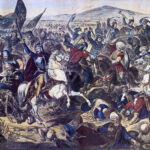
When examined in the context of the Reign of Murad II and the Battle of Varna, this battle represents a major military success for the Ottomans. The Battle of Varna, fought against the Crusader army in 1444, strengthened the Ottoman presence in Europe. During the battle, Murad II, who returned to lead the army in place of the young Mehmed II who had ascended to the throne, achieved a great victory. With this triumph, the Ottoman advance in the Balkans gained momentum.
Murad II sought to ensure stability through both diplomatic negotiations and military operations. During this period, relations with the Anatolian beyliks were reorganized, while various conflicts took place with Crusader forces in the West.
What Wars Took Place During the Reign of Murad II?
The reign of Murad II points to a highly active military phase for the Ottomans. Significant battles took place on many fronts during this period. From the earliest years of his reign, Murad II fought to ensure stability both domestically and abroad. Several revolts in Anatolia were suppressed, after which attention turned to the Balkans.
During the reign of Murad II, the Ottomans frequently confronted Crusader armies, particularly in the Balkans. European states, which posed a threat to Ottoman borders, occasionally formed alliances in an attempt to halt Ottoman advances. The battles fought against these alliances allowed the Ottoman army to gain valuable experience.
Foremost among the battles of this period was the Battle of Varna in 1444. This victory over the Crusader armies created a shift in the balance of power in Europe in favor of the Ottomans. Murad II personally led the army in this battle. The battles of Murad II’s reign are as follows:
- Battle of Varna (1444)
- Second Battle of Kosovo (1448)
- Albanian campaigns
- The revolt and struggles of Prince Mustafa
- Various sieges against Byzantium
Why Did Murad II Abdicate the Throne?
The events of Murad II’s reign shaped not only Ottoman borders but also the Ottoman approach to governance. After years of continuous warfare, Murad II, believing that order had been established within the state, abdicated the throne to his son Mehmed II in 1444. This decision was regarded as an extraordinary development for the time. Since Mehmed II was only 12 years old, the Crusader states of Europe viewed this as an opportunity.
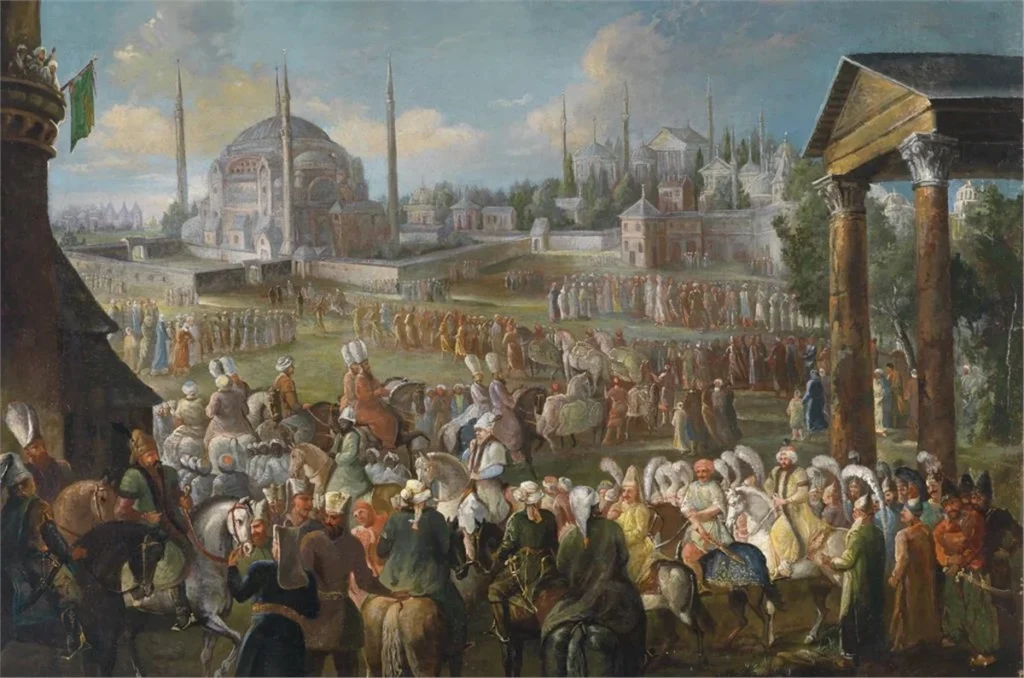
Behind his abdication lay both fatigue and the confidence that came from having established internal stability within the state. Murad II decided to retire to Manisa to rest. The events of Murad II’s reign are as follows:
- Abdicating the throne in favor of Prince Mehmed
- Returning to duty before the Battle of Varna
- Victory in the Second Battle of Kosovo
- Campaigns against Albanian resistance
- The strengthening of Ottoman dominance in the Balkans
- Combining experience with youth in the state’s administrative structure
This process demonstrated how carefully the Ottomans approached matters of leadership. Leadership could be changed according to the needs of the state, and when necessary, wars were conducted under the leadership of an experienced ruler.