Exile and Execution Punishments in the Ottoman Empire
Exile and execution were among the Ottoman state's harshest punishments, used to preserve political authority and social order against rebellion, treason, and threats to the throne.
Exile and Execution Punishments in the Ottoman Empire →The Tanzimat and Reform Edicts in the Ottoman Empire

The Tanzimat Edict (1839) and Reform Edict (1856) were landmark Ottoman reforms that guaranteed individual rights, restructured taxation and military service, and extended equal citizenship to non-Muslim subjects.
The Tanzimat and Reform Edicts in the Ottoman Empire →Events That Shook the Ottoman Empire During the Decline Period
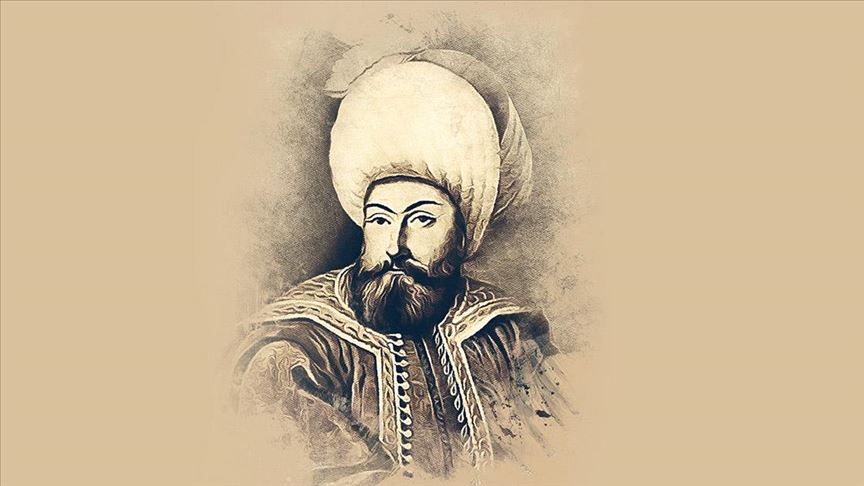
The events that shook the Ottoman Empire during the Decline Period, from the Treaty of Karlowitz to Janissary revolts and European interference, marked a turning point in the empire's history.
Events That Shook the Ottoman Empire During the Decline Period →Ottoman Sultans: Their Role in the Empire’s Rise and Fall

An exploration of how Ottoman sultans, through their governance, military strategies, and reforms, shaped the empire's centuries-long rise and eventual decline.
Ottoman Sultans: Their Role in the Empire’s Rise and Fall →Ottoman Sultans and State Administration: Governance Strategies and Reforms
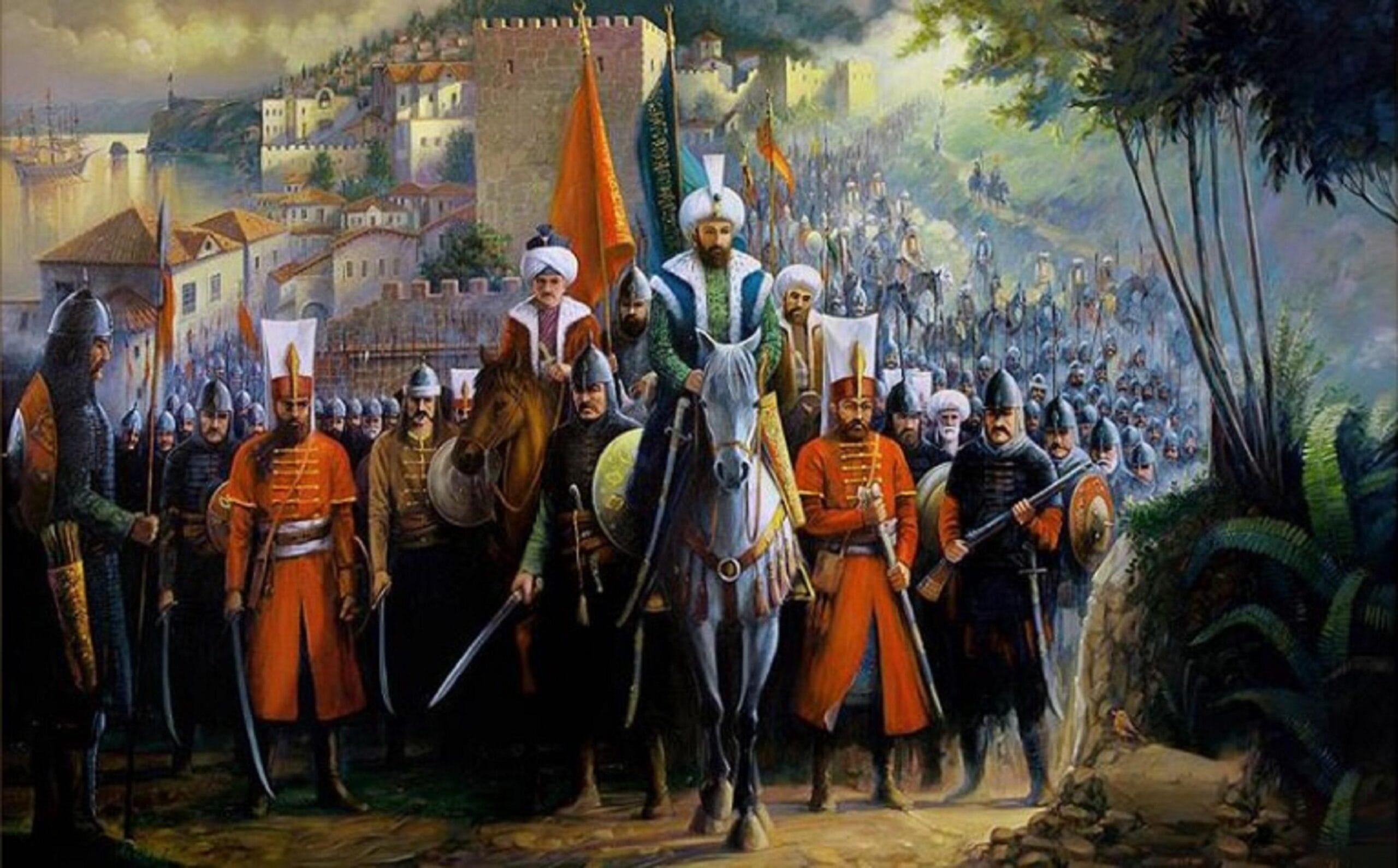
The Ottoman sultans combined military and civil administration to build a lasting empire, implementing key reforms such as the Tanzimat and the Reform Edict to modernize the state.
Ottoman Sultans and State Administration: Governance Strategies and Reforms →Ottoman Sultans and Art: Architecture, Literature, and Cultural Heritage
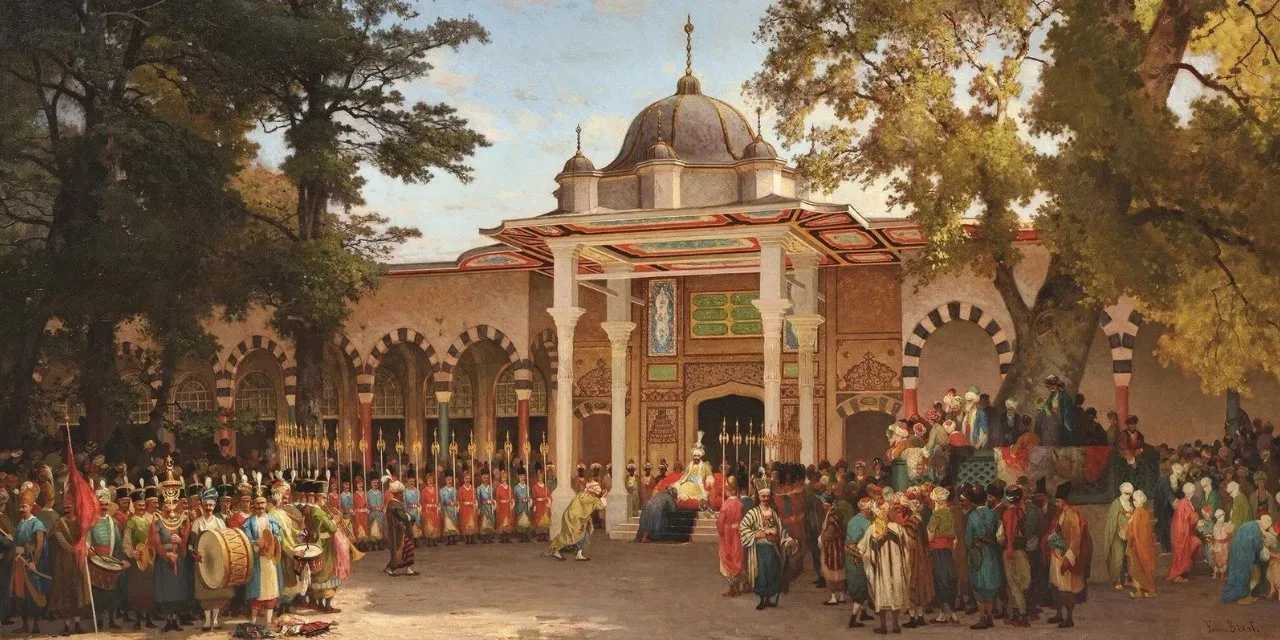
Ottoman sultans left a lasting legacy not only through conquest but through architecture, literature, and cultural patronage that continues to inspire the world today.
Ottoman Sultans and Art: Architecture, Literature, and Cultural Heritage →Ottoman Sultans: A History Full of Wars and Conquests
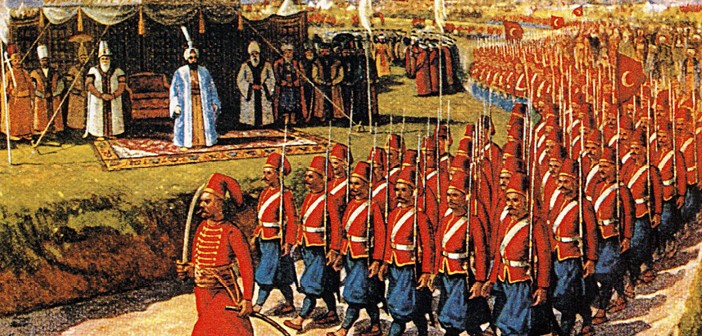
The Ottoman Empire wrote a history full of wars and conquests, as its sultans expanded borders through military strategy, diplomacy, and administrative skill from the 14th to the 20th century.
Ottoman Sultans: A History Full of Wars and Conquests →Ottoman Sultans: Leadership and Influence in the Islamic World
Explore how Ottoman sultans shaped leadership and influence across the Islamic world through political, religious, and cultural authority spanning centuries.
Ottoman Sultans: Leadership and Influence in the Islamic World →Mehmed the Conqueror: The Conquest of Istanbul and the Foundations of an Empire
Mehmed the Conqueror's conquest of Istanbul on 30 May 1453 ended the Byzantine Empire and laid the foundations for centuries of Ottoman power and cultural flourishing.
Mehmed the Conqueror: The Conquest of Istanbul and the Foundations of an Empire →Alexander the Great and the Ottoman Sultans: Historical Parallels

This article explores the historical parallels and differences between Alexander the Great and the Ottoman sultans, from military strategies to governance and cultural influence.
Alexander the Great and the Ottoman Sultans: Historical Parallels →