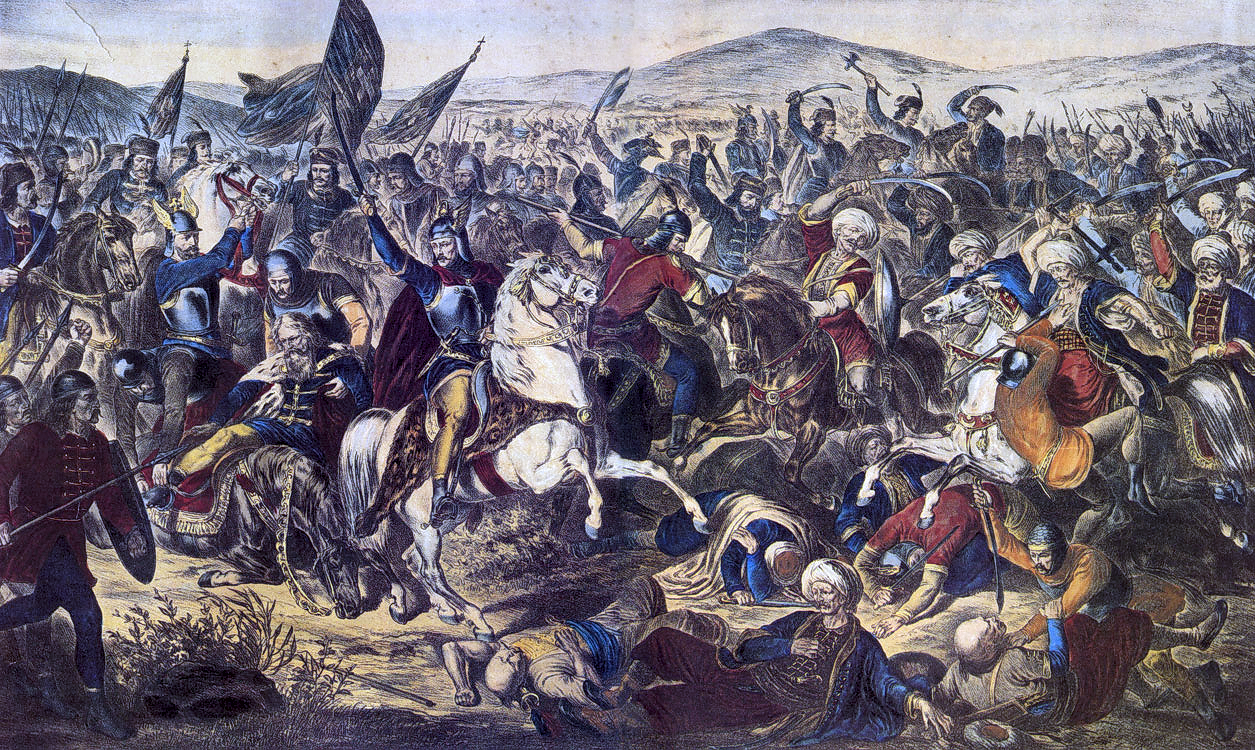
The significance of Murad I and the Battle of Kosovo represents a decisive stage in the Ottoman advance into the Balkans. This battle, which took place in the late 14th century, was not merely a military clash but also had a profound impact on the political balance of power. Murad I led the Ottoman army against the combined forces of the Balkan states. This battle contributed directly to the growth of Ottoman influence over the Balkans.
The significance of Murad I and the Battle of Kosovo is also historically notable for the fact that an Ottoman sultan lost his life on the battlefield. Murad I’s martyrdom immediately after the battle heightened its impact, both emotionally and politically.
The Ottoman success in this battle left a powerful impression on other European states as well. The Battle of Kosovo demonstrated not only Ottoman military capability but also the stability of the Ottoman state structure. Following the battle, Ottoman sovereignty began to be felt even more widely across the Balkans.
Who Won the Battle of Kosovo?
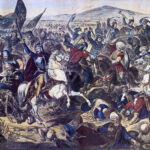
The Battle of Kosovo took place on 28 June 1389. This battle, fought between the Ottoman Empire and the Balkan coalition forces assembled under the leadership of the Kingdom of Serbia, was the result of a prolonged power struggle. The battlefield lies within present-day Kosovo. The Battle of Kosovo ended in victory thanks to the disciplined structure of the Ottoman army.
Murad I commanded the Ottoman army. The Balkan army, meanwhile, was under the command of the Serbian King Lazar Hrebeljanović. From the very first moments of the battle, the Ottoman army managed to wear down the opposing side through systematic attacks. The coordination between the center and flank units allowed the Ottomans to establish superiority.
During the battle, the Ottoman army suffered heavy losses, but the Balkan army was forced to retreat with even greater casualties. The Battle of Kosovo went down in history as an Ottoman victory. After the battle, the Serbian and Albanian principalities in the region declared their allegiance to the Ottomans.
Which Turkish State Took Part in the Battle of Kosovo?
When evaluated in terms of the significance of the Battle of Kosovo, the Turkish state present on the battlefield was the Ottoman Empire. Striving to establish dominance over the Balkans toward the end of the 14th century, the Ottomans consolidated their power in the region through this battle. The Battle of Kosovo took place as a continuation of the Ottoman policy of expansion westward.
At the time the battle took place, the Ottoman Empire was in a process of growth under the rule of Murad I. The significance of the Battle of Kosovo stems from the territorial gains and political dominance achieved during this process. The Ottomans not only achieved a victory in this battle but also initiated the process by which the local populations of the region came under Ottoman rule.
The Ottoman position in the Balkans changed completely both before and after the Battle of Kosovo. This transformation laid the foundation for long-term Ottoman sovereignty. By the end of the battle, the Ottoman Empire had secured superiority both militarily and diplomatically.
The strategy employed by the Ottomans during the battle relied on the harmonious coordination between the army’s center and flank formations. This tactical success demonstrated the discipline of the Ottoman army. The significance of the Battle of Kosovo is notable in this respect as well.
Furthermore, the relationships the Ottomans established with various communities in the region after the battle heralded a new era. From this period onward, the Ottomans became a lasting power throughout the Balkan geography.