General
The General category gathers broad overview articles on Ottoman history — introductory pieces, periodization debates, comparative looks at the empire alongside its contemporaries, and explainers that connect the dots between sultans, wars, institutions, society, and culture. Coverage spans the full arc from Osman Gazi's Söğüt frontier (1299) through the proclamation of the Republic (1923), with attention to how historians have framed Ottoman trajectories: rise and decline narratives, transformation theses, the long nineteenth century, and the legacy that shaped the modern Middle East and Balkans. Articles here are written for readers building first context on the empire before exploring more specialised sections.
What Development Caused the Silk and Spice Roads to Lose Their Importance?
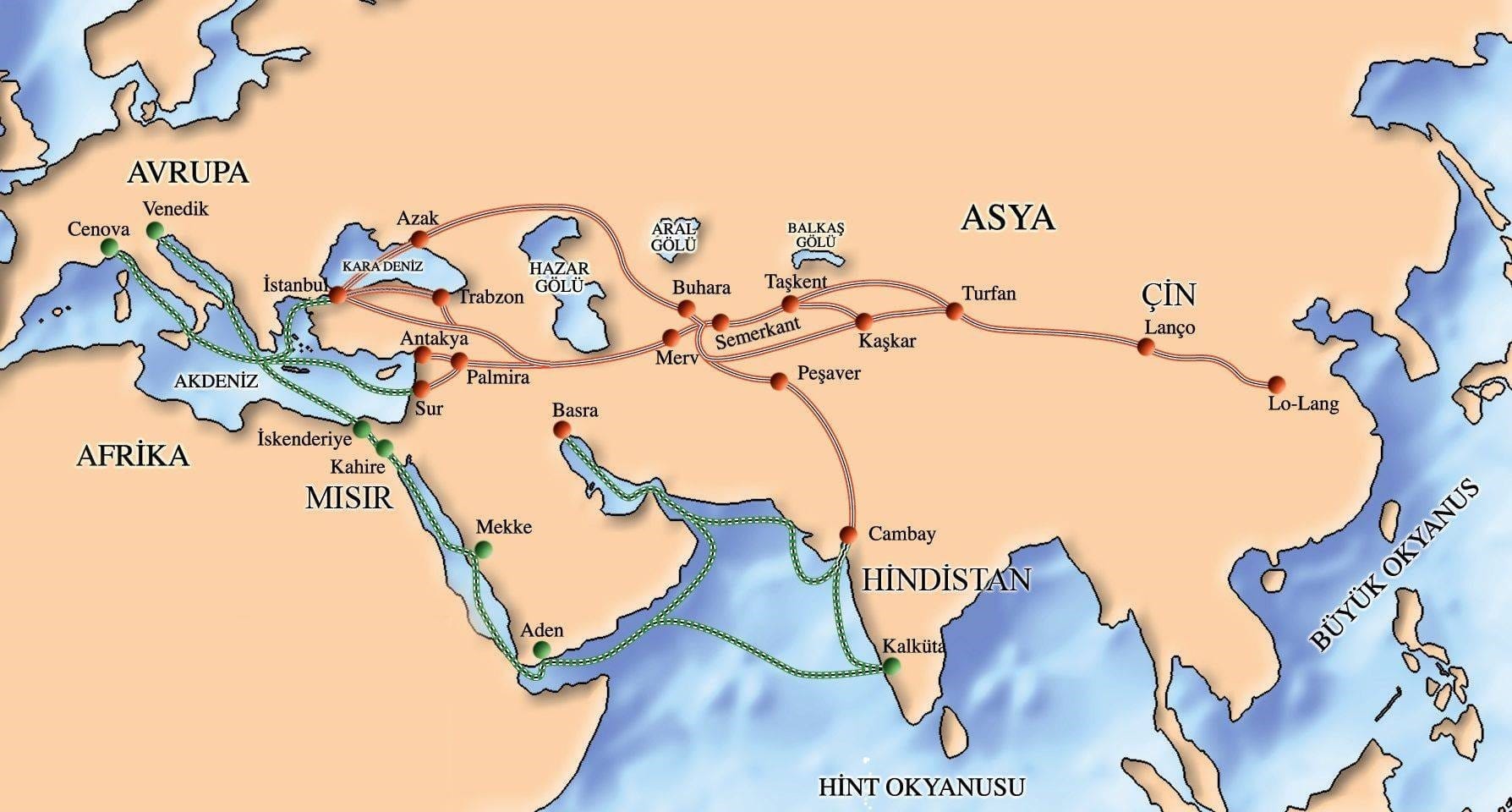
The Age of Geographical Discoveries, particularly the discovery of the Cape of Good Hope sea route, caused the historic Silk and Spice Roads to lose their trade importance and shifted world commerce toward maritime routes.
What Development Caused the Silk and Spice Roads to Lose Their Importance? →
Titles Used by Rulers in Pre-Islamic Turkic States
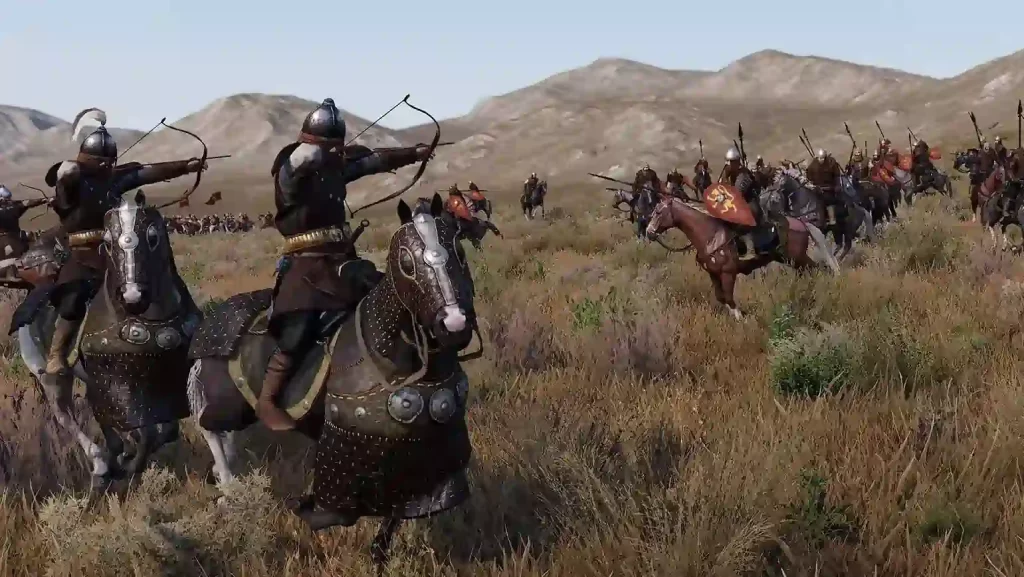
This article examines the titles used by rulers in pre-Islamic Turkic states, such as kagan, khan, yabgu, shad, and ilteber, and their political and military significance.
Titles Used by Rulers in Pre-Islamic Turkic States →
Göktürk Flag

The Göktürk flag, associated with the gray wolf figure and sky-blue color, symbolizes the power, independence, and cultural identity of the Göktürk Khaganate.
Göktürk Flag →
Why Did the Transition to Multi-Party Life Fail?
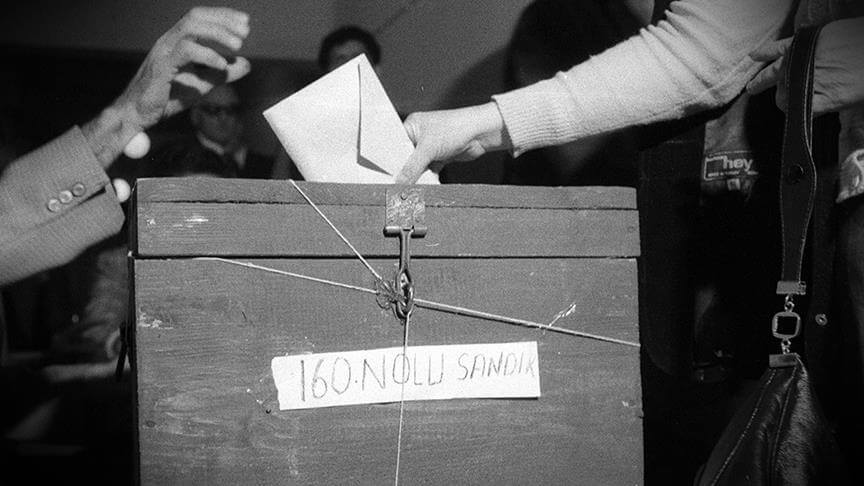
Explore why Turkey's early attempts at multi-party democracy—the Progressive Republican Party and the Free Republican Party—collapsed, and how a lasting multi-party system finally took hold after 1946.
Why Did the Transition to Multi-Party Life Fail? →
Zodiac Signs According to Ancient Egyptian Mythology
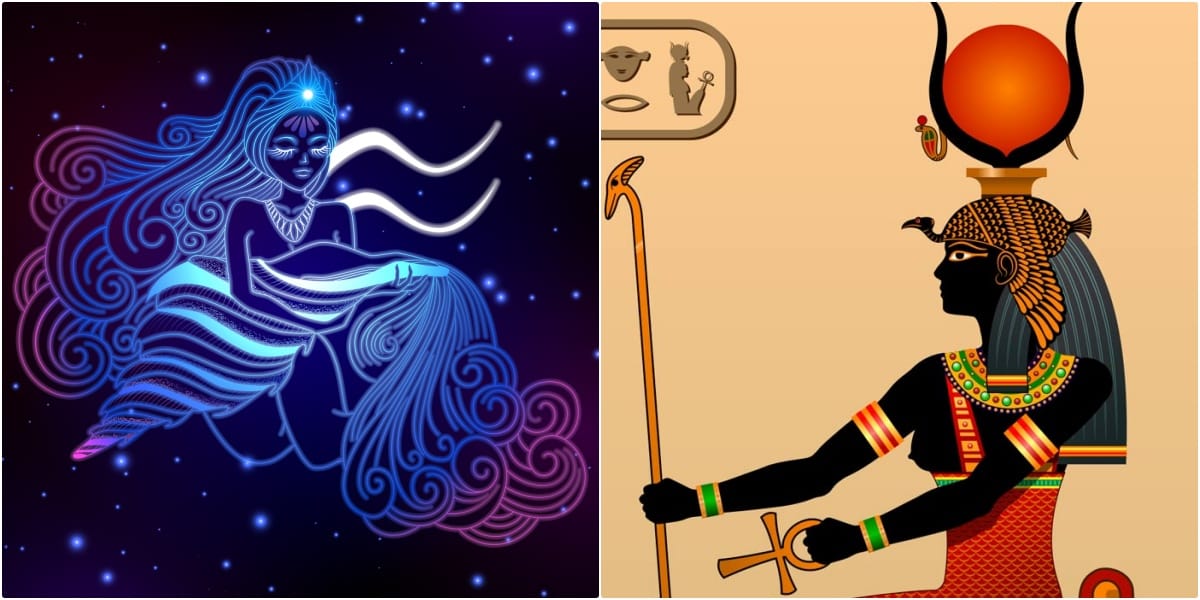
Explore the zodiac signs according to ancient Egyptian mythology, where gods such as Ra, Horus, Isis, Anubis, and Osiris were linked to distinct personality traits and celestial symbolism.
Zodiac Signs According to Ancient Egyptian Mythology →
When Did Prophet David Live?
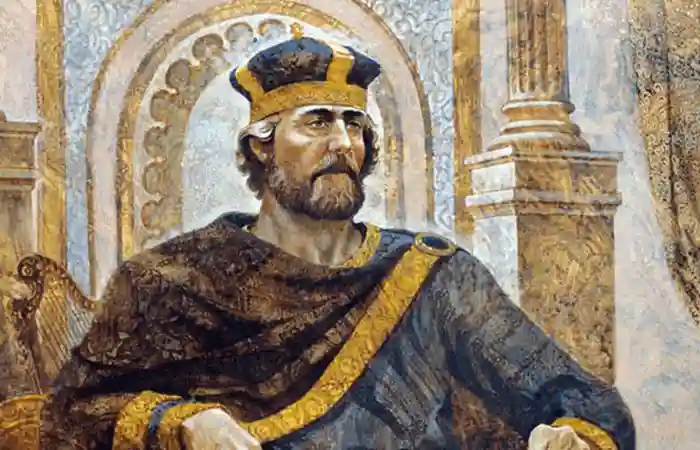
Prophet David lived roughly between 1040 BCE and 970 BCE, serving as both a prophet and ruler of the Israelites who received the Zabur (Psalms) and was renowned for his justice.
When Did Prophet David Live? →
The State That Grew Economically Strong by Controlling the Spice Route
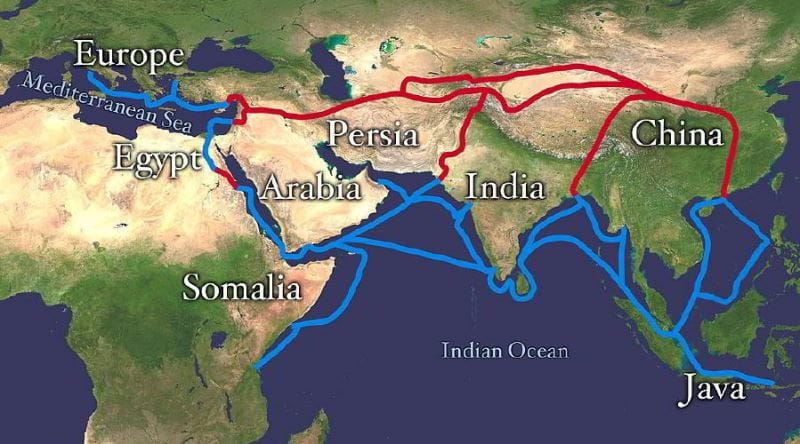
The Ottoman Empire's control over the Spice Route, especially after the conquest of Egypt, turned it into the state that grew economically strongest through this vital trade network.
The State That Grew Economically Strong by Controlling the Spice Route →
Which of the Following Places Was Not Conquered by Osman Bey?
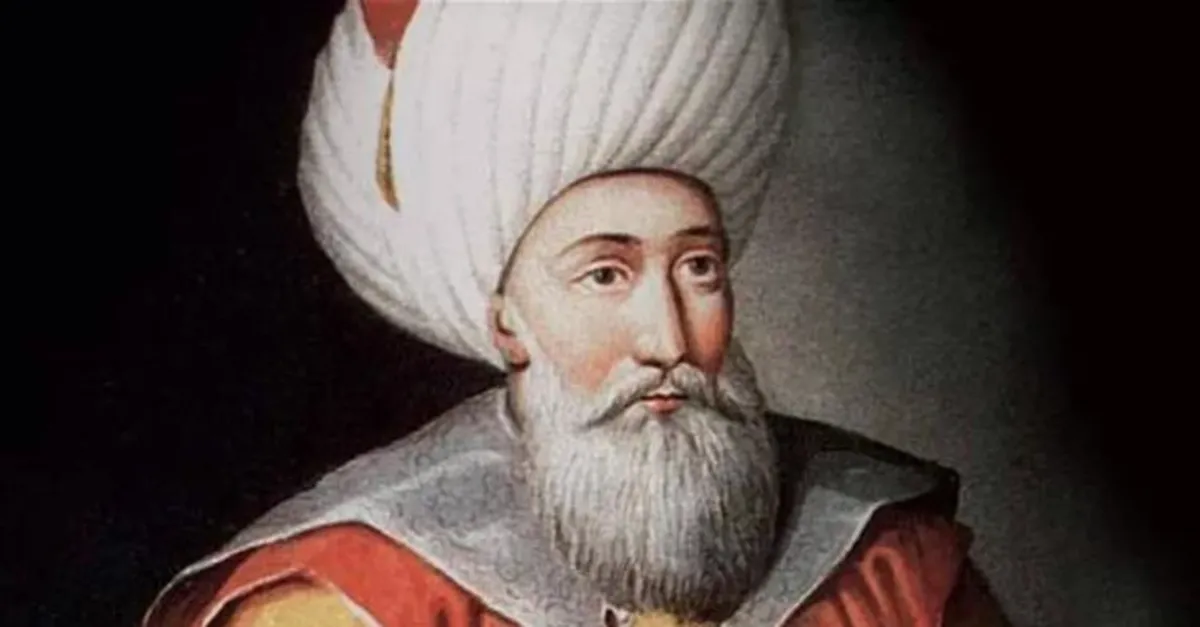
Learn which cities were truly conquered by Osman Bey—Karacahisar, Bilecik, Yarhisar, İnegöl, and Köprühisar—versus Bursa, Edirne, and Istanbul, which were taken by later Ottoman sultans.
Which of the Following Places Was Not Conquered by Osman Bey? →
What Did the Maya Believe the World Looked Like?
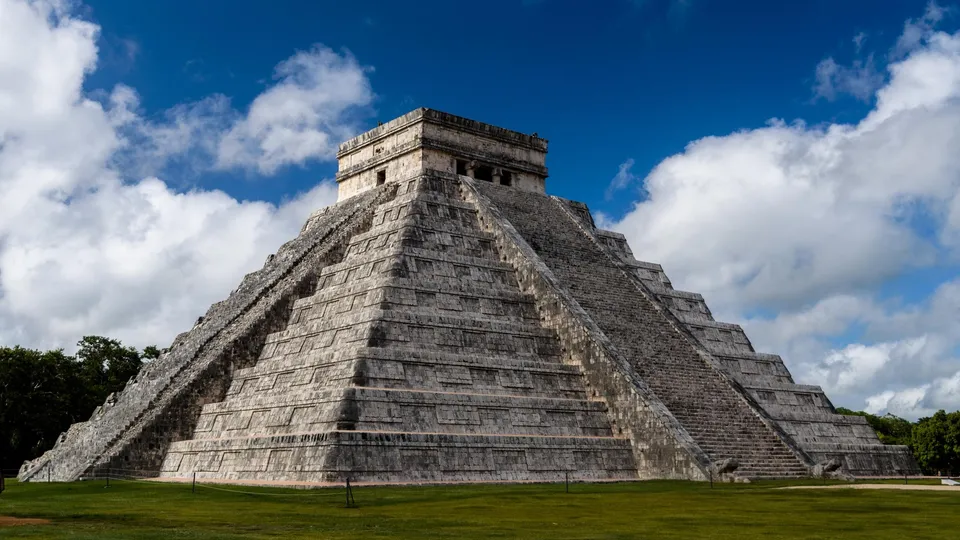
The Maya envisioned the world as a flat, four-cornered structure—sometimes depicted as resting on a giant crocodile—divided into sacred realms of sky, earth, and underworld.
What Did the Maya Believe the World Looked Like? →
Which Class Represents Wealthy Merchants in Medieval Europe?
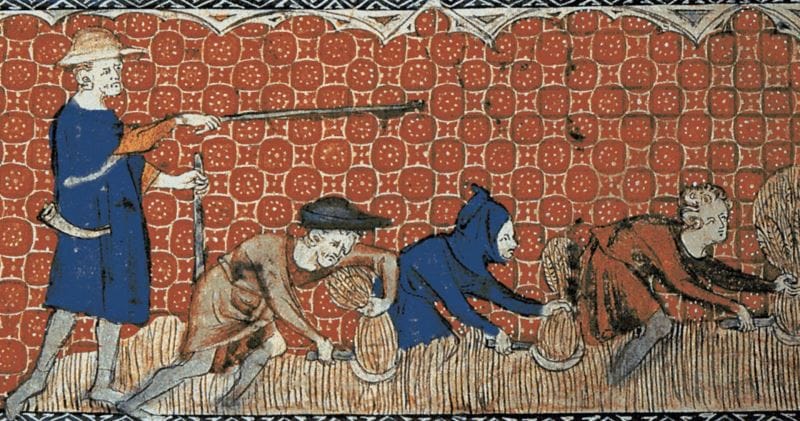
The bourgeoisie was the wealthy merchant class of medieval Europe, gaining power through trade, guilds, and urban commerce while weakening the feudal order.
Which Class Represents Wealthy Merchants in Medieval Europe? →