General
The General category gathers broad overview articles on Ottoman history — introductory pieces, periodization debates, comparative looks at the empire alongside its contemporaries, and explainers that connect the dots between sultans, wars, institutions, society, and culture. Coverage spans the full arc from Osman Gazi's Söğüt frontier (1299) through the proclamation of the Republic (1923), with attention to how historians have framed Ottoman trajectories: rise and decline narratives, transformation theses, the long nineteenth century, and the legacy that shaped the modern Middle East and Balkans. Articles here are written for readers building first context on the empire before exploring more specialised sections.
How Many Siblings Did Suleiman the Magnificent Have?
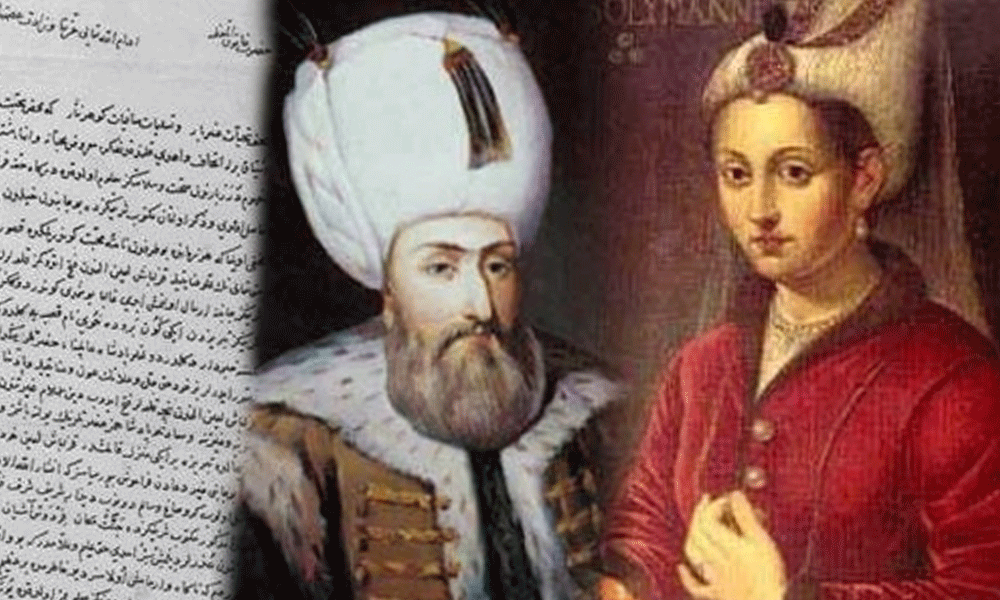
Suleiman the Magnificent, the son of Selim I, had several brothers and sisters, though most of his brothers died young, leaving him as the sole heir to the Ottoman throne.
How Many Siblings Did Suleiman the Magnificent Have? →
How Did the Ottoman Empire Change Under Bayezid II?
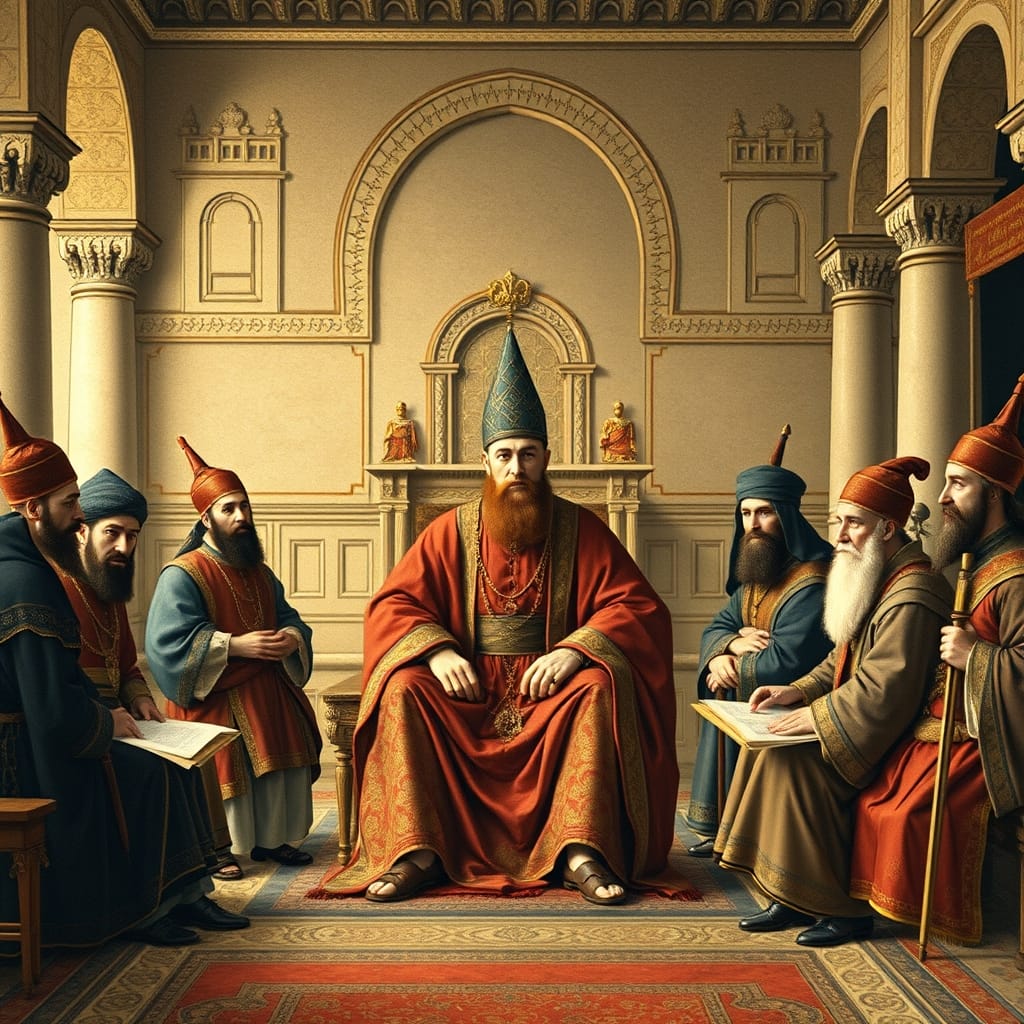
Under Bayezid II, the Ottoman Empire moderated the pace of conquest, strengthened its naval power, rebalanced domestic politics, and faced new pressure from the Safavids.
How Did the Ottoman Empire Change Under Bayezid II? →
How Did the Ottoman Empire Change Under Murad III?
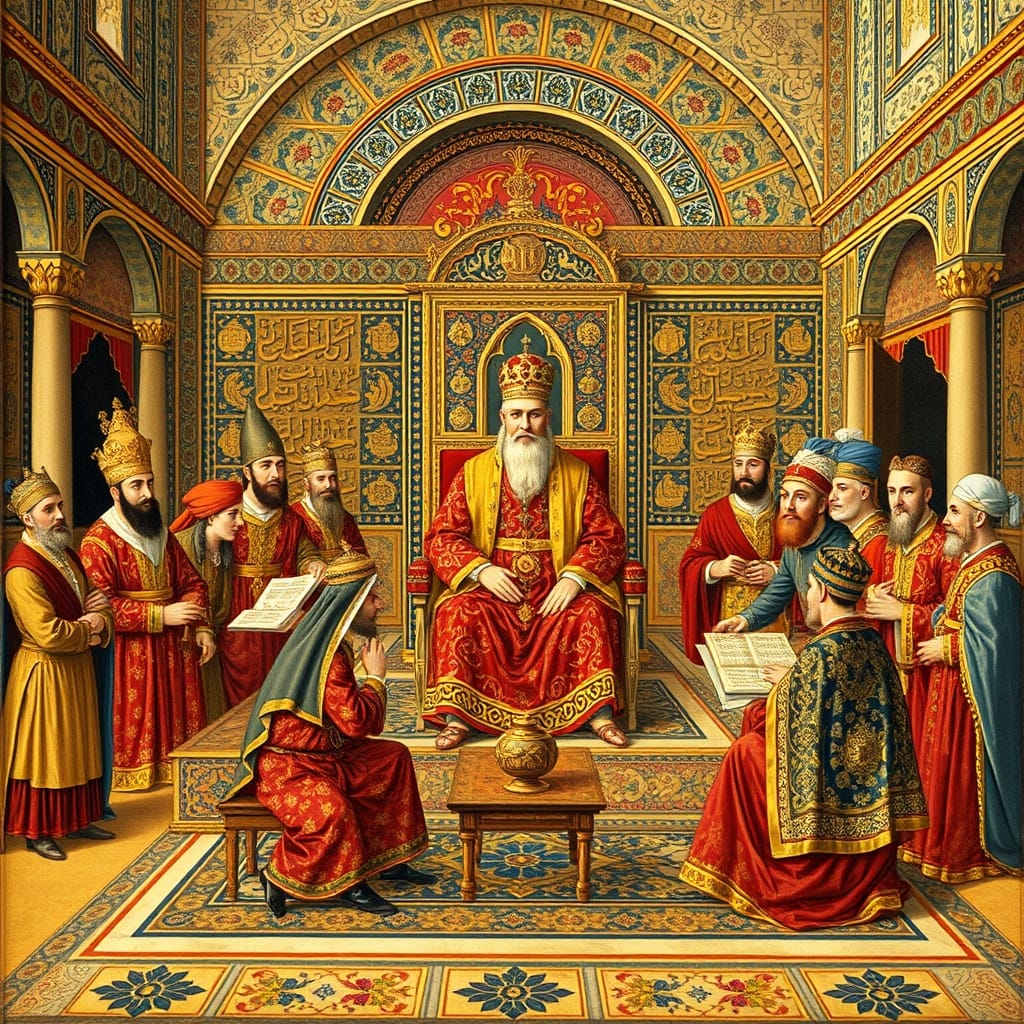
Under Murad III, palace politics grew more influential as wars with Iran and Austria, the akçe crisis, and military transformation reshaped the Ottoman order.
How Did the Ottoman Empire Change Under Murad III? →
Which Countries Have Disputed Over the Shatt al-Arab Waterway?

The Shatt al-Arab waterway has long been a flashpoint between Iraq and Iran, with border and oil transportation disputes eventually fueling the eight-year Iran-Iraq War.
Which Countries Have Disputed Over the Shatt al-Arab Waterway? →
Ali Qushji’s Contributions to Science
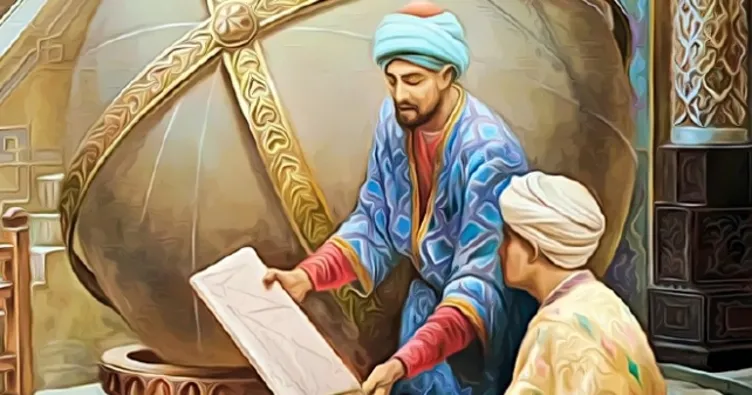
Ali Qushji, a leading 15th-century Turkish-Islamic scientist, made lasting contributions to astronomy, mathematics, and education during his time in Samarkand and the Ottoman Empire.
Ali Qushji’s Contributions to Science →
Göktürk Epic Summary
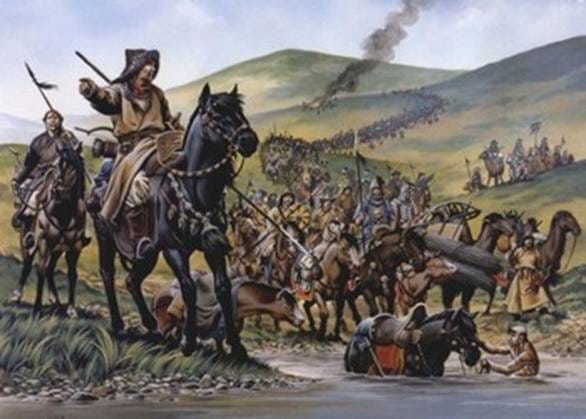
The Göktürk Epic summary recounts the struggles, quest for independence, and rebirth of the Turkic tribes, enriched by the legendary tales of Ergenekon and the Grey Wolf.
Göktürk Epic Summary →
Reasons for the Opening of the Caucasian Front
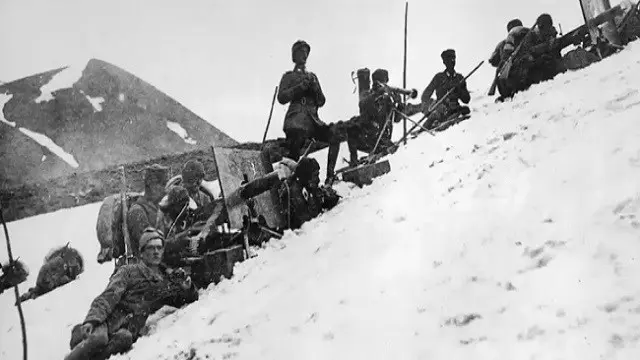
The Caucasian Front, opened between the Ottoman State and Russia during World War I, resulted from political, military, and ideological factors such as Pan-Turkism, German pressure, and the goal of reclaiming Kars, Ardahan, and Batumi.
Reasons for the Opening of the Caucasian Front →
The First Objective Historical Writing
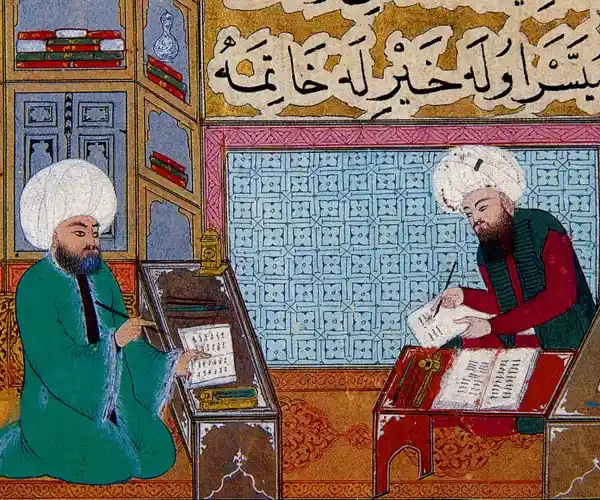
The first truly objective historical writing is generally attributed to Thucydides, who analyzed the Peloponnesian Wars through cause-and-effect relationships rather than legend or rumor.
The First Objective Historical Writing →
Places Conquered by Osman Bey
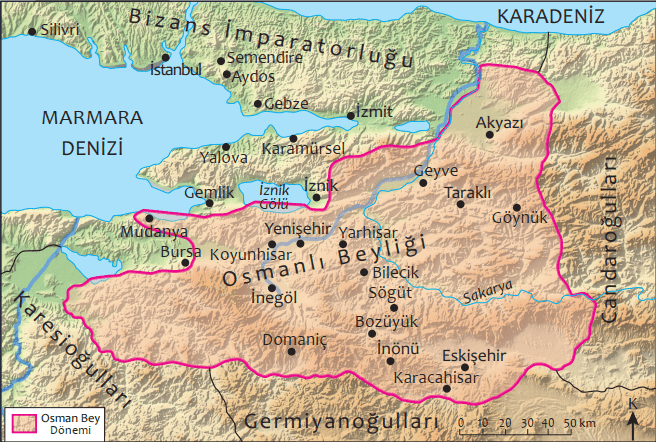
Osman Bey, founder of the Ottoman State, conquered key Byzantine border territories including Karacahisar, Bilecik, Yarhisar, İnegöl, and Yenişehir. These conquests laid the foundation for the Ottoman Empire's rapid growth.
Places Conquered by Osman Bey →
Dome Viziers (Kubbealtı Vezirleri)
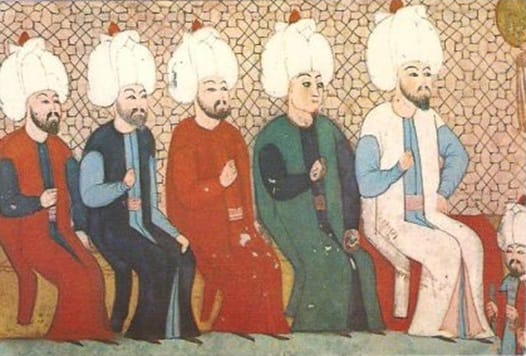
The Dome Viziers (Kubbealtı Vezirleri) were high-ranking Ottoman officials who assisted the grand vizier and took part in the Imperial Council's decisions on state, military, and administrative affairs.
Dome Viziers (Kubbealtı Vezirleri) →