General
The General category gathers broad overview articles on Ottoman history — introductory pieces, periodization debates, comparative looks at the empire alongside its contemporaries, and explainers that connect the dots between sultans, wars, institutions, society, and culture. Coverage spans the full arc from Osman Gazi's Söğüt frontier (1299) through the proclamation of the Republic (1923), with attention to how historians have framed Ottoman trajectories: rise and decline narratives, transformation theses, the long nineteenth century, and the legacy that shaped the modern Middle East and Balkans. Articles here are written for readers building first context on the empire before exploring more specialised sections.
What Did the Babylonians Think the World Looked Like?

The Babylonians envisioned the Earth as a flat disk surrounded by water and covered by a giant dome-shaped sky, a belief preserved in famous maps like the Imago Mundi.
What Did the Babylonians Think the World Looked Like? →
The Last Military Campaign of Suleiman the Magnificent
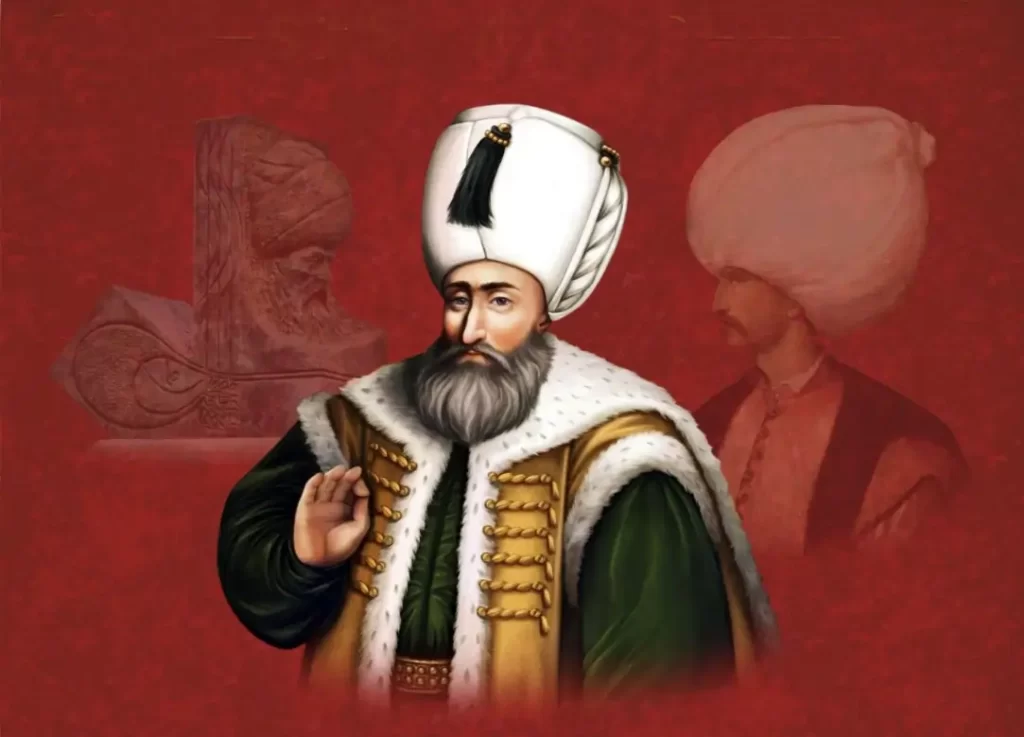
Suleiman the Magnificent's final military campaign was the 1566 Siege of Szigetvár, during which the sultan died while his army secured a crucial Ottoman victory in Central Europe.
The Last Military Campaign of Suleiman the Magnificent →
How Did the Ottoman Empire Change under Selim I?
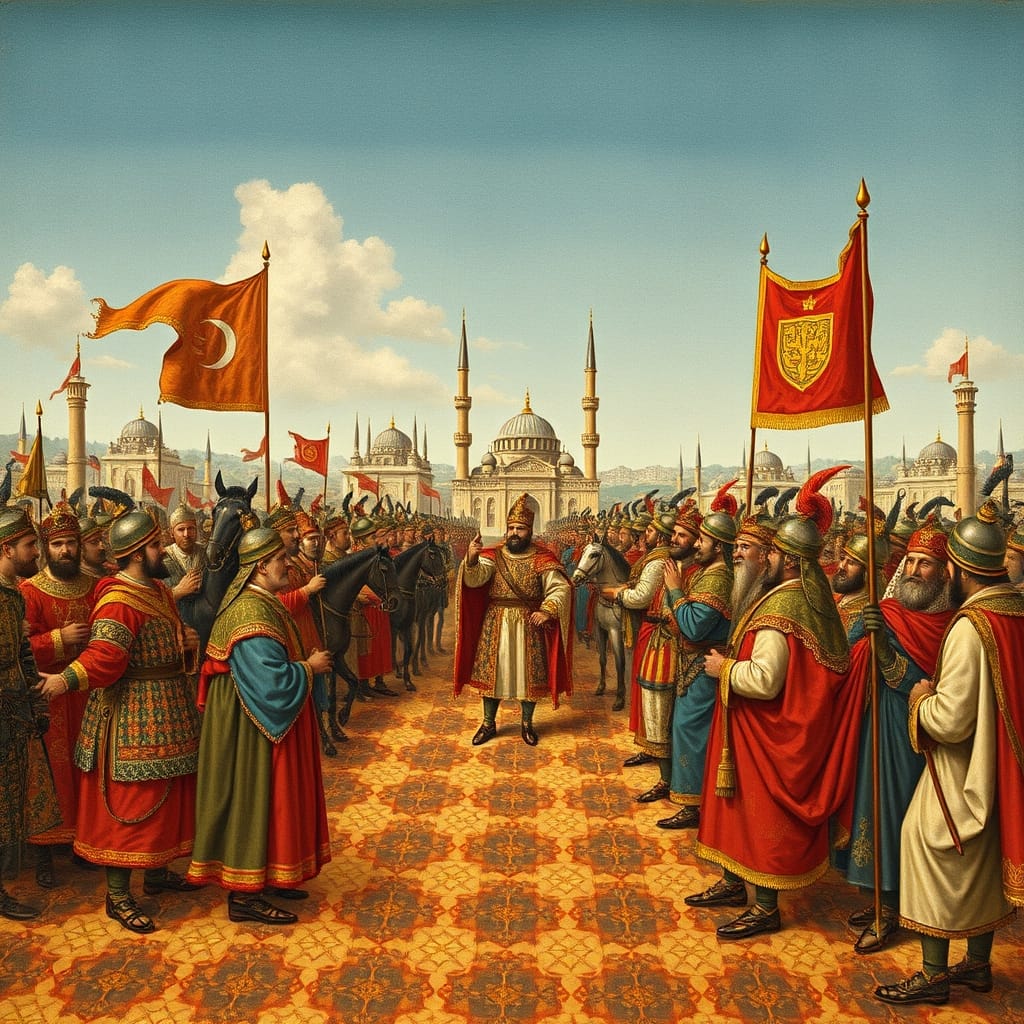
Under Selim I, the Ottoman Empire was transformed politically, militarily, and administratively through Chaldiran, the conquest of Egypt, and protection over the Hejaz.
How Did the Ottoman Empire Change under Selim I? →
The Mythological Creature Believed to Rise from Its Own Ashes
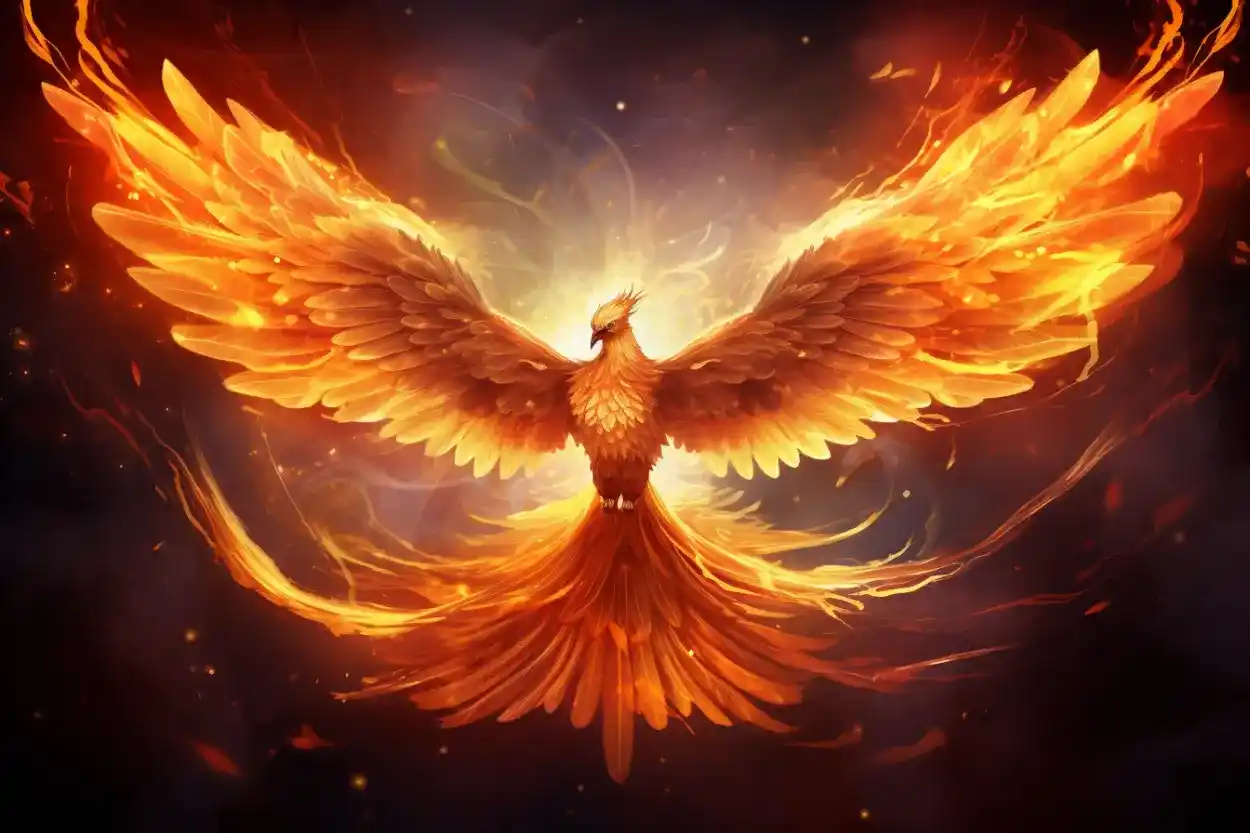
The mythological creature believed to rise from its own ashes is the Anka Bird, known worldwide as the Phoenix, a timeless symbol of rebirth, hope, and renewal across many cultures.
The Mythological Creature Believed to Rise from Its Own Ashes →
Who Is Abd al-Ka’bah?
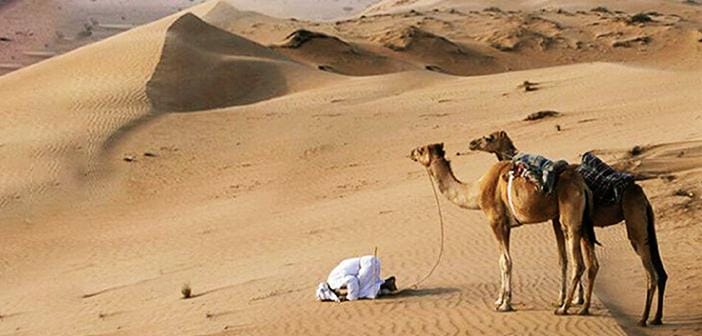
Abd al-Ka'bah, meaning "servant of the Ka'bah," was a name used in pre-Islamic Arab society and reflects the ancient Arab naming tradition of devotion to sacred places.
Who Is Abd al-Ka’bah? →
The Battle of Hunayn
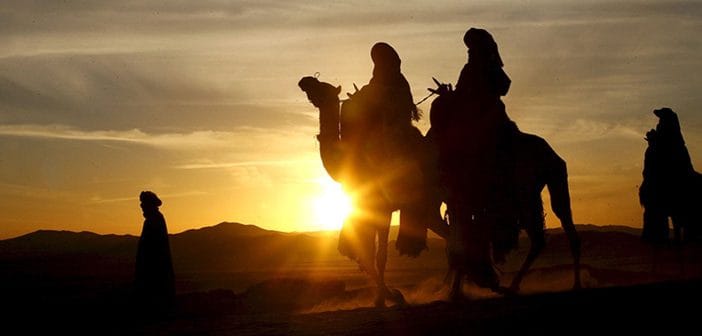
The Battle of Hunayn was a decisive clash between the Muslims and the Hawazin-Thaqif tribes shortly after the conquest of Mecca, testing both military strength and leadership.
The Battle of Hunayn →
When Did Prophet Moses Live?
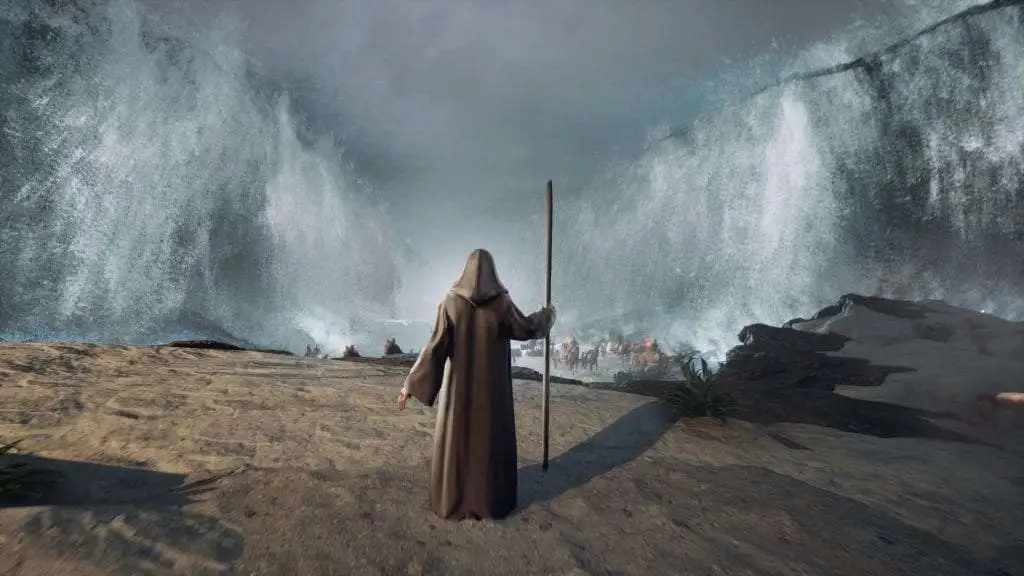
Prophet Moses, revered in Judaism, Christianity, and Islam, is believed to have lived in either the 15th or 13th century BCE, during Ancient Egypt's New Kingdom period.
When Did Prophet Moses Live? →
Seljuk Wars
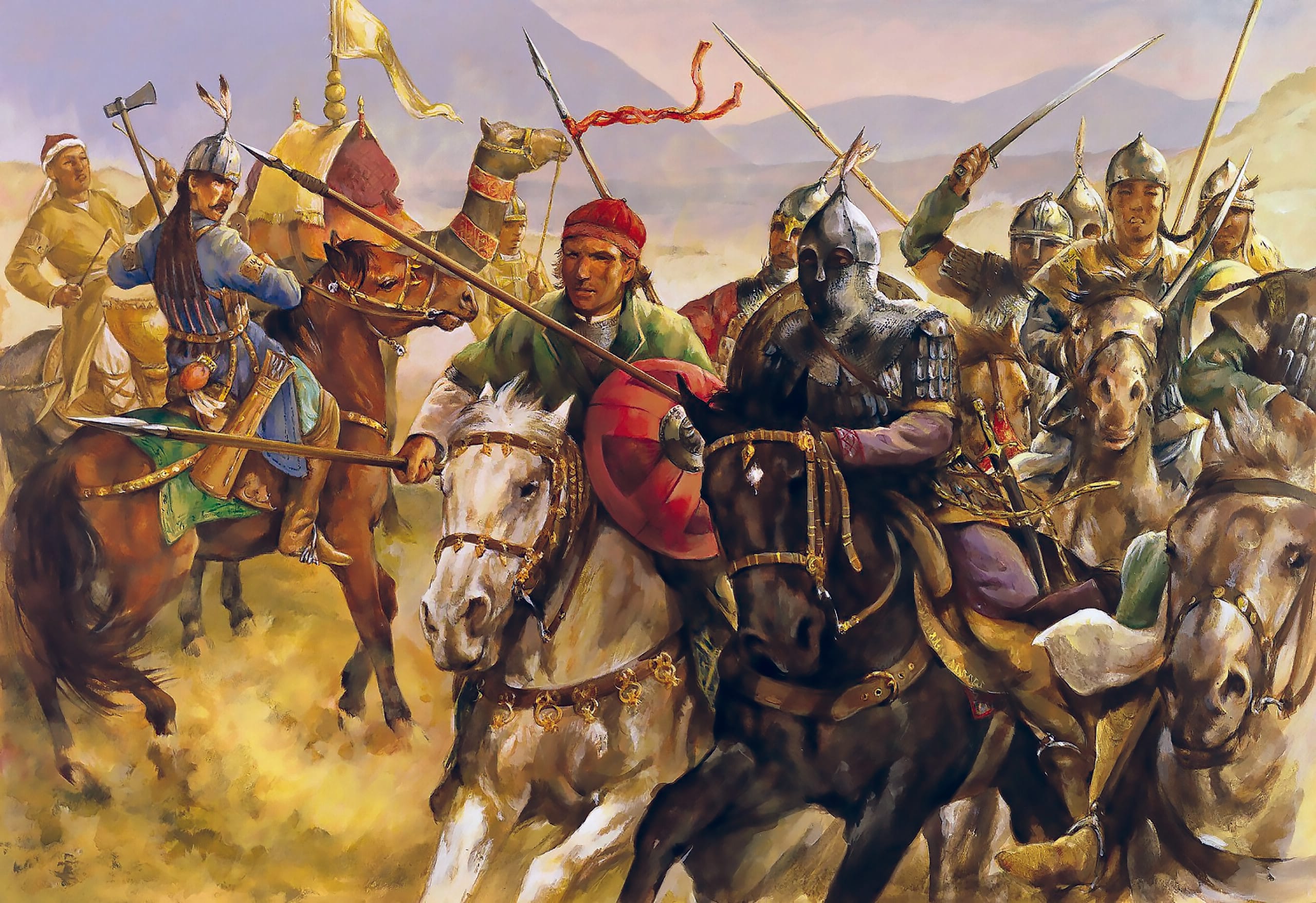
The Seljuk Wars—from Dandanaqan and Manzikert to Myriokephalon and Köse Dağ—shaped the Turkification of Anatolia and reshaped the political landscape of the Middle East.
Seljuk Wars →
Who Drew the First World Map?
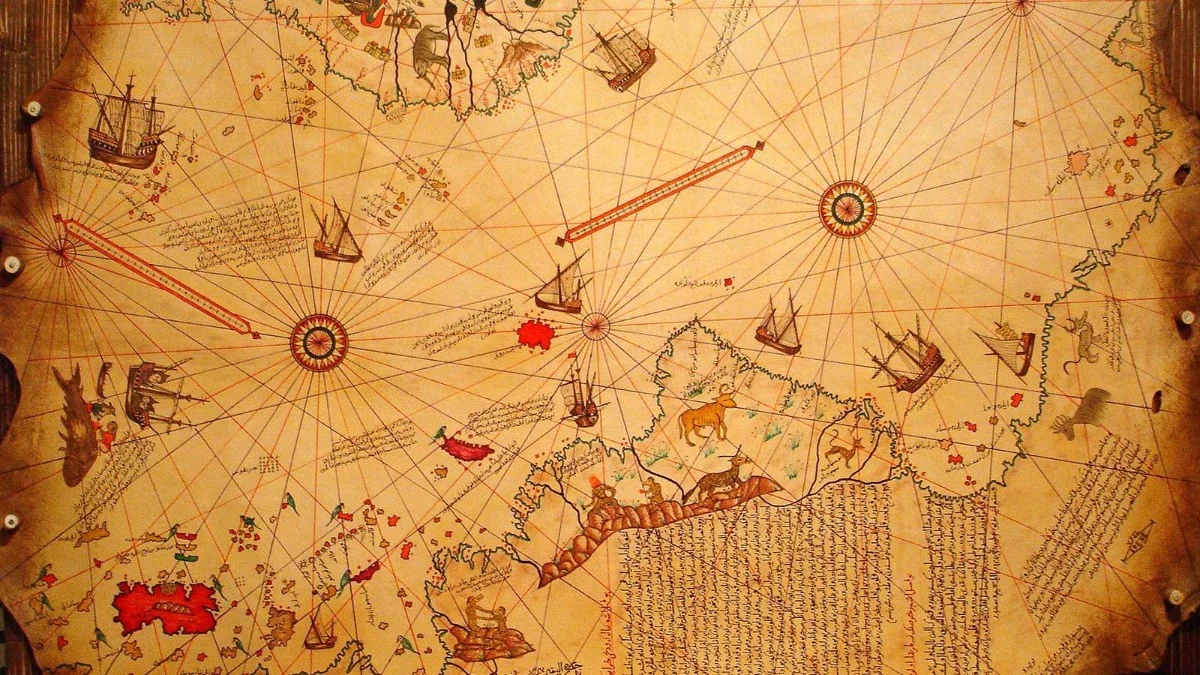
The question of who drew the first world map traces back to the Babylonians' ancient clay-tablet maps, while in Turkish history the most celebrated example is the 1513 world map created by Ottoman navigator Piri Reis.
Who Drew the First World Map? →
Which Civilization Thought of the World as a Floating Crocodile?
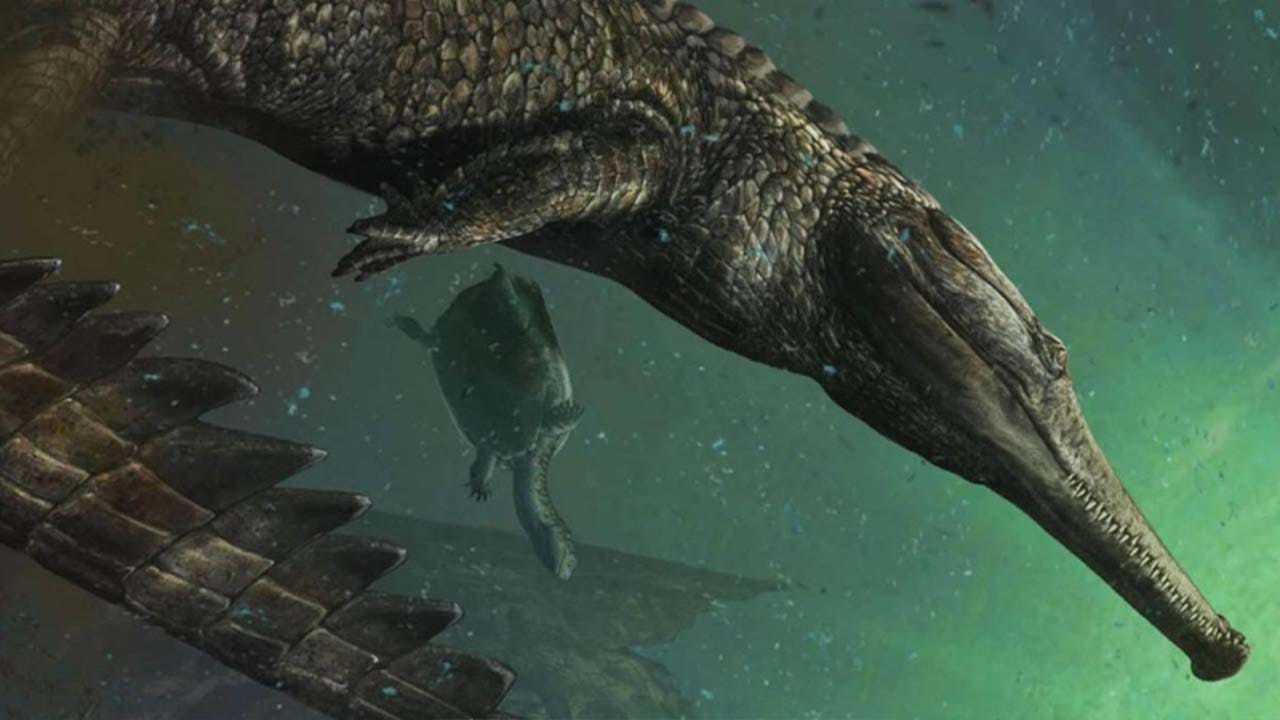
Discover why the Maya civilization envisioned the world as a giant floating crocodile, and explore their mythology, astronomy, and cosmic beliefs.
Which Civilization Thought of the World as a Floating Crocodile? →