Who killed Malik-Shah is a question frequently researched by those interested in the history of the Great Seljuk Empire. Malik-Shah is regarded as one of the most powerful rulers of the Great Seljuk Empire. During his reign, the Seljuk state reached its widest borders, and great advances were made in science, culture, and administration. However, Malik-Shah’s death remains a controversial subject among historians, since different views exist regarding its cause.
Who Is Sultan Malik-Shah?
Malik-Shah was the son of Alp Arslan and ascended to the Great Seljuk throne in 1072.
During Malik-Shah’s reign:
- The Great Seljuk Empire experienced its most powerful era
- Turkish dominance in Anatolia increased
- Scholars and scientists were supported
- Madrasas were spread widely
- Trade routes were secured
Together with his vizier Nizam al-Mulk, he established a strong state system.
How Did Malik-Shah Die?
There is no definitive historical source that gives a clear answer to the question of who killed Malik-Shah. Historians hold differing views on whether Malik-Shah’s death was natural or the result of an assassination.
The generally accepted views are as follows:
- That he died of illness
- That he may have been poisoned
- That he was assassinated due to court struggles
are among the possibilities.
Malik-Shah died in 1092, at what could still be considered a young age.
Was Malik-Shah Poisoned?
Some historians claim that Malik-Shah was poisoned to death. In particular, the throne struggles and political rivalries within the palace gave rise to these claims.
Among the reasons cited for the poisoning claims are:
- Struggles for the throne
- Palace intrigues
- Rivalries over the vizierate and administration
- Political factions within the state
are shown as evidence.
However, there is no definitive proof on this matter.
The Death of Nizam al-Mulk and Malik-Shah
Nizam al-Mulk was one of Malik-Shah’s most important statesmen. However, shortly before Malik-Shah’s death, he himself was assassinated.
The death of Nizam al-Mulk:
- Weakened state administration
- Disrupted the balance of power within the palace
- Created turmoil within the Great Seljuk Empire
The fact that Malik-Shah died shortly after this event has drawn particular attention.
Hassan-i Sabbah Claims
Some sources suggest that Hassan-i Sabbah and the Assassins (Hashashin) may have been connected to Malik-Shah’s death.
The Assassins (Hashashin):
- Carried out activities against Seljuk rule
- Were known for their assassination methods
- Specifically targeted statesmen
However, there is no definitive information confirming they played a direct role in Malik-Shah’s death.
Consequences of Malik-Shah’s Death
Malik-Shah’s death had significant consequences for the Great Seljuk Empire.
The main consequences were:
- Struggles for the throne began
- Central authority weakened
- The state entered a process of fragmentation
- Internal turmoil increased
After Malik-Shah, the Great Seljuk Empire struggled to maintain its former strength.
The Golden Age of the Great Seljuk Empire
The reign of Malik-Shah is regarded as the peak years of Seljuk history.
During this period:
- Borders expanded
- Scientific studies were supported
- Madrasas were established
- Trade flourished
In particular, important figures such as Omar Khayyam carried out their work during Malik-Shah’s reign.
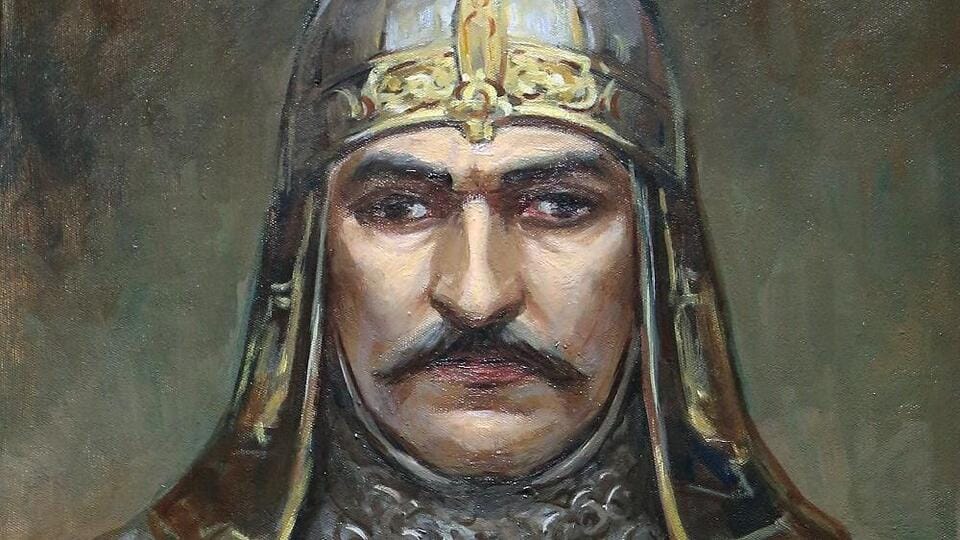
Why Is Malik-Shah’s Death Controversial?
The reason the question of who killed Malik-Shah cannot be clearly answered is that sources from the period provide conflicting information.
Some sources claim:
- That it was a natural death
- That he died of illness
- That he was poisoned
- That a political assassination took place
as the cause.
For this reason, there is no firm consensus among historians.
You may also be interested in our article titled What Is the Reform Edict? The Equality Debate in the Ottoman Empire and Its Effects.
Who Killed Malik-Shah, in Brief
In brief, the definitive answer to who killed Malik-Shah remains unknown. It is known that Malik-Shah died in 1092, but the cause of his death is disputed. Some historians argue that he died of illness, while others maintain that he may have been poisoned as a result of palace intrigues.