The list of Ottoman grand viziers sets out, in chronological order, the chief ministers who ran affairs of state on the sultan’s behalf, from the first viziers of the founding era to Ahmet Tevfik Pasha, the last grand vizier, in 1922. The powers of the office changed over the centuries: in the classical age it was the center of executive government, while in the Tanzimat and Constitutional eras it came close to the modern post of head of cabinet.
Quick Summary
- The grand vizier was regarded as the sultan’s most powerful deputy in government.
- In the early period, the vizierate grew markedly stronger under the Çandarlı family.
- In the classical age, grand viziers played the leading role in the council, on campaign and in appointments.
- The Köprülü era marks a clear turning point in seventeenth-century government.
- After the Tanzimat, the office came steadily closer to a modern head of government.
- The last grand vizier, Ahmet Tevfik Pasha, left office in 1922.
Contents
- What was the office of grand vizier?
- List of Ottoman grand viziers: complete chronological list
- Notable grand viziers of the classical period
- The Köprülüs and the seventeenth-century transformation
- The Tanzimat and Constitutional periods
- Conclusion
What Was the Office of Grand Vizier?
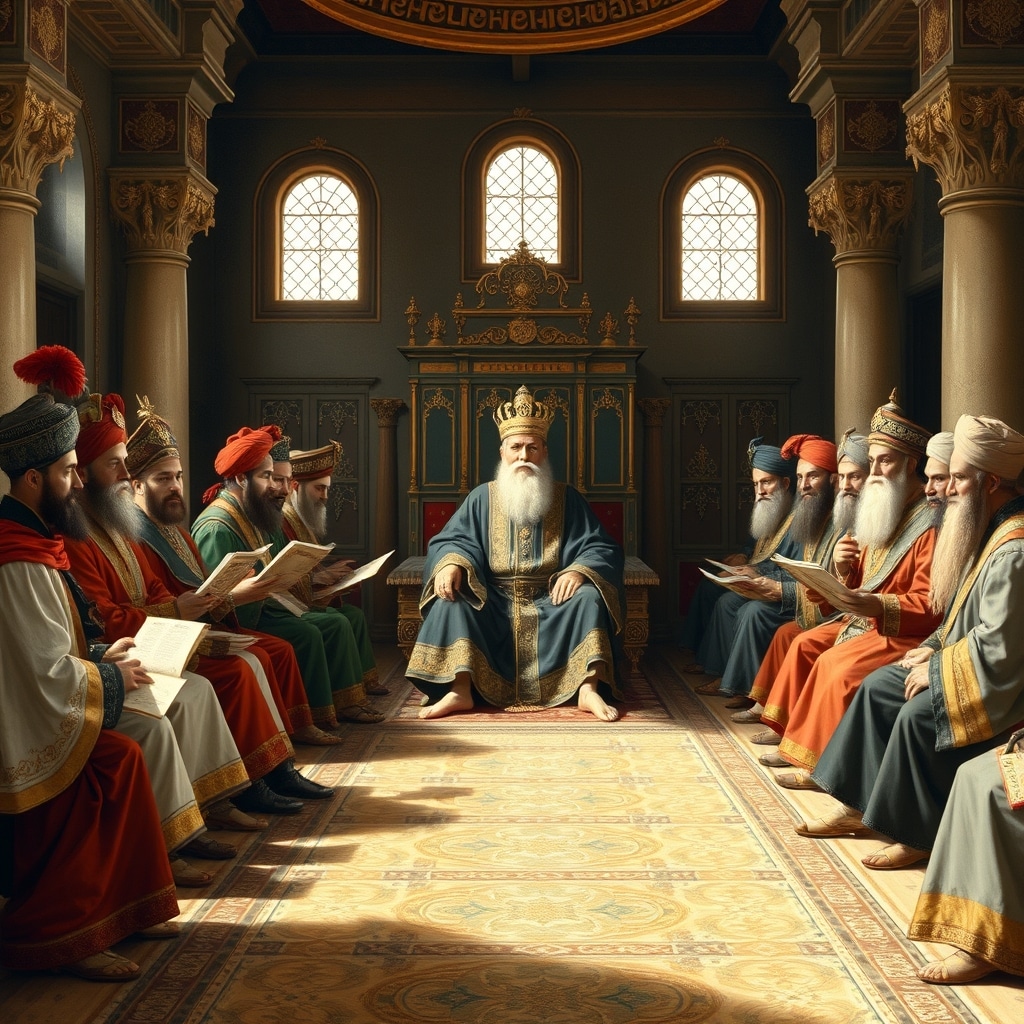
In the Ottoman state organization, the grand vizier was the sultan’s highest-ranking political and administrative deputy. In the early centuries a single-vizier system prevailed. As the number of viziers grew, the first vizier, the vezîriâzam, was set apart from the others. Over time, “sadrazam” became the common title of the same office.
The grand vizier presided over the Imperial Council (Divan-ı Hümayun), carried the sultan’s seal and played a decisive role in senior appointments. On campaign he could lead the army as commander-in-chief (serdâr-ı ekrem). To understand this structure, the role of the Imperial Council in government and the duties of the dome viziers can be read together.
Mehmet İpşirli’s assessment in the TDV Encyclopedia of Islam stresses that the grand vizierate was the institutionalized form, under Ottoman conditions, of the Turkish-Islamic tradition of the chief vizier. Halil İnalcık also draws attention to the importance of the vizierate, especially for central government and for acting as the sultan’s deputy.
List of Ottoman Grand Viziers: Complete Chronological List
The list of Ottoman grand viziers below gathers, in chronological order, those who held the grand vizierate or served in its early line of chief viziers. When the same person was reappointed at different dates, he is not listed again. The list thus makes it easier to follow the holders of the office as individual names.
List of Ottoman grand viziers: the founding and classical periods
- 1320–1453: Alaeddin Pasha, Nizamüddin Ahmed Pasha, Hacı Pasha, Sinanüddin Fakih Yusuf Pasha, Çandarlı Kara Halil Hayreddin Pasha, Çandarlı Ali Pasha, İmamzade Halil Pasha, Bayezid Pasha, Çandarlı İbrahim Pasha, Koca Mehmed Nizamüddin Pasha, Çandarlı Halil Pasha.
- 1453–1523: Zağanos Pasha, Mahmud Pasha, Rum Mehmed Pasha, İshak Pasha, Gedik Ahmed Pasha, Karamanî Mehmed Pasha, Koca Davud Pasha, Hersekzade Ahmed Pasha, Çandarlı İbrahim Pasha, Mesih Pasha, Hadım Ali Pasha, Koca Mustafa Pasha, Dukakinoğlu Ahmed Pasha, Hadım Sinan Pasha, Yunus Pasha, Piri Mehmed Pasha.
- 1523–1603: Pargalı İbrahim Pasha, Ayas Mehmed Pasha, Lütfi Pasha, Hadım Süleyman Pasha, Rüstem Pasha, Kara Ahmed Pasha, Semiz Ali Pasha, Sokollu Mehmed Pasha, Semiz Ahmed Pasha, Lala Mustafa Pasha, Koca Sinan Pasha, Kanijeli Siyavuş Pasha, Özdemiroğlu Osman Pasha, Hadım Mesih Pasha, Serdar Ferhad Pasha, Lala Mehmed Pasha, Damat İbrahim Pasha, Cığalazade Yusuf Sinan Pasha, Hadım Hasan Pasha, Cerrah Mehmed Pasha, Yemişçi Hasan Pasha.
List of Ottoman grand viziers: the seventeenth century
- Yavuz Ali Pasha, Sokolluzade Mehmed Pasha, Boşnak Derviş Mehmed Pasha, Kuyucu Murad Pasha, Nasuh Pasha, Öküz Mehmed Pasha, Damat Halil Pasha, Güzelce Ali Pasha, Ohrili Hüseyin Pasha, Dilaver Pasha, Kara Davud Pasha, Mere Hüseyin Pasha, Lefkeli Mustafa Pasha, Hadım Mehmed Pasha, Kemankeş Kara Ali Pasha, Çerkez Mehmed Pasha, Hafız Ahmed Pasha, Hüsrev Pasha, Topal Recep Pasha, Tabanıyassı Mehmed Pasha, Bayram Pasha, Tayyar Mehmed Pasha, Kemankeş Kara Mustafa Pasha.
- Sultanzade Mehmed Pasha, Nevesinli Salih Pasha, Kara Musa Pasha, Hezarpare Ahmed Pasha, Sofu Mehmed Pasha, Kara Murad Pasha, Melek Ahmed Pasha, Abaza Siyavuş Pasha, Gürcü Mehmed Pasha, Tarhuncu Ahmed Pasha, Koca Derviş Mehmed Pasha, İpşiri Mustafa Pasha, Ermeni Süleyman Pasha, Deli Hüseyin Pasha, Zurnazen Mustafa Pasha, Boynuyaralı Mehmed Pasha, Köprülü Mehmed Pasha, Köprülüzade Fazıl Ahmed Pasha, Merzifonlu Kara Mustafa Pasha, Kara İbrahim Pasha, Sarı Süleyman Pasha, Ayaşlı İsmail Pasha, Bekri Mustafa Pasha, Köprülüzade Fazıl Mustafa Pasha, Arabacı Ali Pasha, Çalık Ali Pasha, Bozoklu Mustafa Pasha, Sürmeli Ali Pasha, Elmas Mehmed Pasha, Amcazade Hüseyin Pasha.
List of Ottoman grand viziers: the eighteenth century
- Daltaban Mustafa Pasha, Rami Mehmed Pasha, Kavanoz Ahmed Pasha, Damat Hasan Pasha, Kalaylıkoz Ahmed Pasha, Baltacı Mehmed Pasha, Çorlulu Ali Pasha, Köprülüzade Numan Pasha, Ağa Yusuf Pasha, Nişancı Süleyman Pasha, Hoca İbrahim Pasha, Silahdar Damat Ali Pasha, Hacı Halil Pasha, Nişancı Mehmed Pasha, Nevşehirli Damat İbrahim Pasha, Silahdar Mehmed Pasha, Kabakulak İbrahim Pasha, Topal Osman Pasha, Hekimoğlu Ali Pasha, Gürcü İsmail Pasha, Seyyid Mehmed Pasha, Muhsinzade Abdullah Pasha, Yeğen Mehmed Pasha, İvaz Mehmed Pasha.
- Nişancı Ahmed Pasha, Seyyid Hasan Pasha, Tiryaki Mehmed Pasha, Seyyid Abdullah Pasha, Divitdar Mehmed Emin Pasha, Köse Bahir Mustafa Pasha, Naili Abdullah Pasha, Silahdar Bıyıklı Ali Pasha, Yirmisekizzade Mehmed Said Pasha, Koca Ragıp Pasha, Hamza Hamid Pasha, Muhsinzade Mehmed Pasha, Hamza Mahir Pasha, Yağlıkçızade Mehmed Emin Pasha, Moldovancı Ali Pasha, İvazzade Halil Pasha, Cihangirli Mehmed Pasha, İzzet Mehmed Pasha, Yağlıkçızade Derviş Mehmed Pasha, Darendeli Cebecizade Mehmed Pasha, Kalafat Mehmed Pasha, Seyyid Mehmed Pasha, Yeğen Hacı Mehmed Pasha, Halil Hamid Pasha, Şahin Ali Pasha, Koca Yusuf Pasha, Meyyit Hasan Pasha, Cezayirli Gazi Hasan Pasha, Çelebizade Şerif Hasan Pasha, Melek Mehmed Pasha, Safranbolulu İzzet Mehmed Pasha.
List of Ottoman grand viziers: the nineteenth century
- Kör Yusuf Ziyaüddin Pasha, Hafız İsmail Pasha, İbrahim Hilmi Pasha, Çelebi Mustafa Pasha, Alemdar Mustafa Pasha, Çavuşbaşı Memiş Pasha, Çarhacı Ali Pasha, Laz Aziz Ahmed Pasha, Hurşid Ahmed Pasha, Mehmed Emin Rauf Pasha, Burdurlu Derviş Mehmed Pasha, Ispartalı Seyyid Ali Pasha, Benderli Ali Pasha, Hacı Salih Pasha, Deli Abdullah Pasha, Turnacızade Ali Pasha, Mehmed Said Galip Pasha, Mehmed Selim Pasha, Topal İzzet Mehmed Pasha, Reşid Mehmed Pasha, Koca Hüsrev Mehmed Pasha.
- Mustafa Reşid Pasha, İbrahim Sarım Pasha, Mehmed Emin Âli Pasha, Damat Mehmed Ali Pasha, Mustafa Naili Pasha, Kıbrıslı Mehmed Emin Pasha, Mütercim Mehmed Rüşdi Pasha, Keçecizade Fuad Pasha, Yusuf Kâmil Pasha, Mahmud Nedim Pasha, Midhat Pasha, Ahmed Esad Pasha, Şirvanizade Mehmed Rüşdi Pasha, Hüseyin Avni Pasha, İbrahim Edhem Pasha, Ahmed Hamdi Pasha, Ahmed Vefik Pasha, Mehmed Sadık Pasha, Saffet Pasha, Tunuslu Hayreddin Pasha, Ahmed Arifi Pasha, Küçük Mehmed Said Pasha, Kadri Pasha, Abdurrahman Nureddin Pasha, Kıbrıslı Kâmil Pasha, Ahmed Cevad Pasha, Halil Rıfat Pasha.
List of Ottoman grand viziers: the final period, 1903–1922
- Avlonyalı Mehmed Ferid Pasha, Hüseyin Hilmi Pasha, Ahmet Tevfik Pasha, İbrahim Hakkı Pasha, Gazi Ahmed Muhtar Pasha, Mahmud Şevket Pasha, Said Halim Pasha, Talat Pasha, Ahmed İzzet Pasha, Damat Ferid Pasha, Ali Rıza Pasha and Salih Hulusi Pasha.
This list of Ottoman grand viziers does not count a grand vizier’s second, third or later appointments again. Koca Sinan Pasha, Hekimoğlu Ali Pasha and Küçük Mehmed Said Pasha, for example, were each appointed to the office more than once. For this reason, the “number of appointments” and the “number of people who served as grand vizier” are not the same.
Notable Grand Viziers of the Classical Period
The Çandarlı family played a decisive role in institutionalizing the vizierate in early Ottoman government. The line that began with Çandarlı Kara Halil Hayreddin Pasha grew into a strong bureaucratic tradition, especially under Murad II and Mehmed II. After 1453, however, the weight of administrators trained in the palace increased.
Under Suleiman the Magnificent, Pargalı İbrahim Pasha, Rüstem Pasha and Semiz Ali Pasha came to the fore. Then Sokollu Mehmed Pasha, with a long tenure stretching from Suleiman’s last years into the reign of Murad III, embodied the continuity of central administration. For the political structure of the period, the transformation of the state under Suleiman I is a useful complement.
At the same time, the power of grand viziers was never entirely independent of the sultan. The authority to appoint and dismiss belonged to the ruler. Even powerful grand viziers therefore had to act in direct connection with the balance of forces at court, military success and dynastic politics.
The Köprülüs and the Seventeenth-Century Transformation
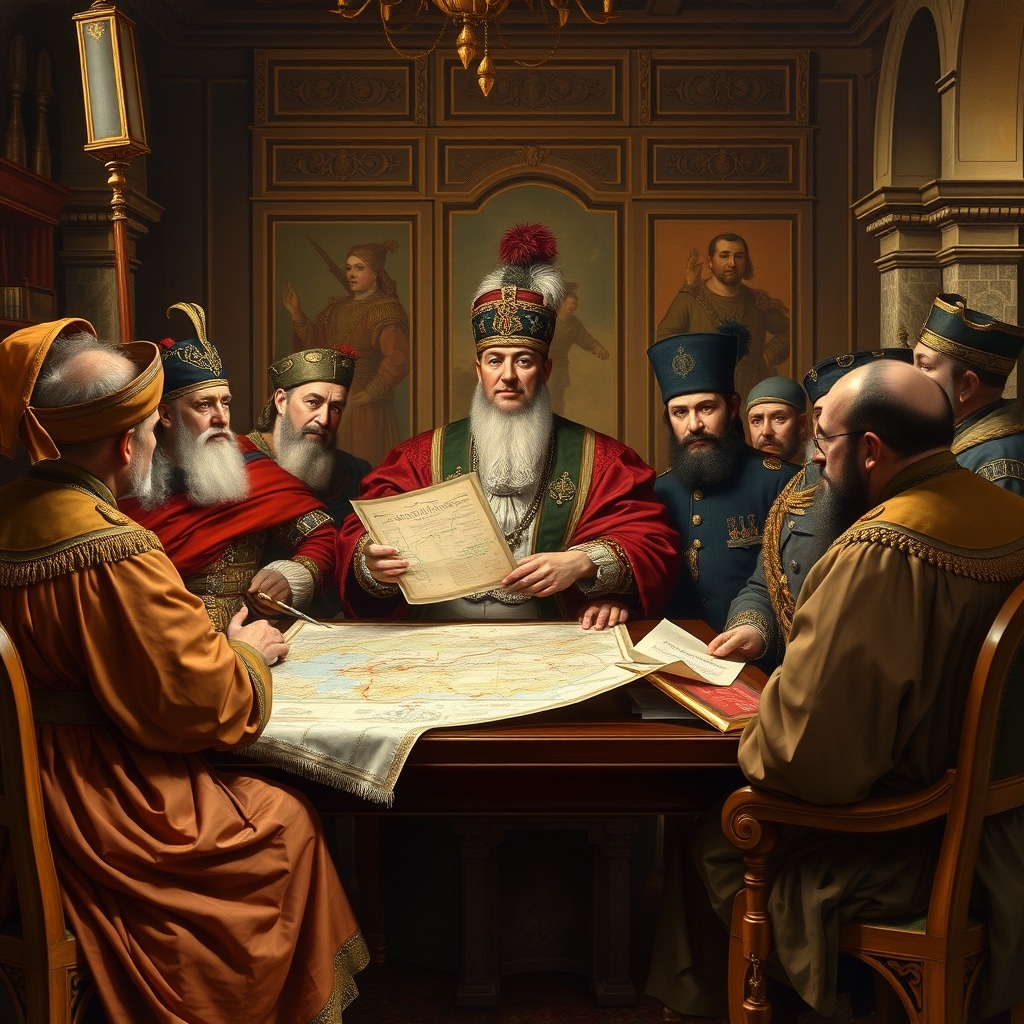
In the mid-seventeenth century, frequent changes of grand vizier and financial problems strained the central administration. Köprülü Mehmed Pasha’s appointment in 1656 became the symbol of a search for more stable government. His son Fazıl Ahmed Pasha continued this line through his long tenure.
Under Merzifonlu Kara Mustafa Pasha, the Vienna campaign of 1683 caused a major rupture. In the following years, figures such as Köprülüzade Fazıl Mustafa Pasha and Amcazade Hüseyin Pasha took part in efforts at military and administrative recovery. This era clearly shows the weight of the grand vizierate in crisis management.
As İsmail Hakkı Uzunçarşılı’s studies of Ottoman institutions also show, the grand vizier was not only the head of the council. He also had broad influence over appointments, finance, provincial administration and the organization of campaigns. Even so, the scope of his authority varied from period to period.
The Grand Vizierate in the Tanzimat and Constitutional Periods
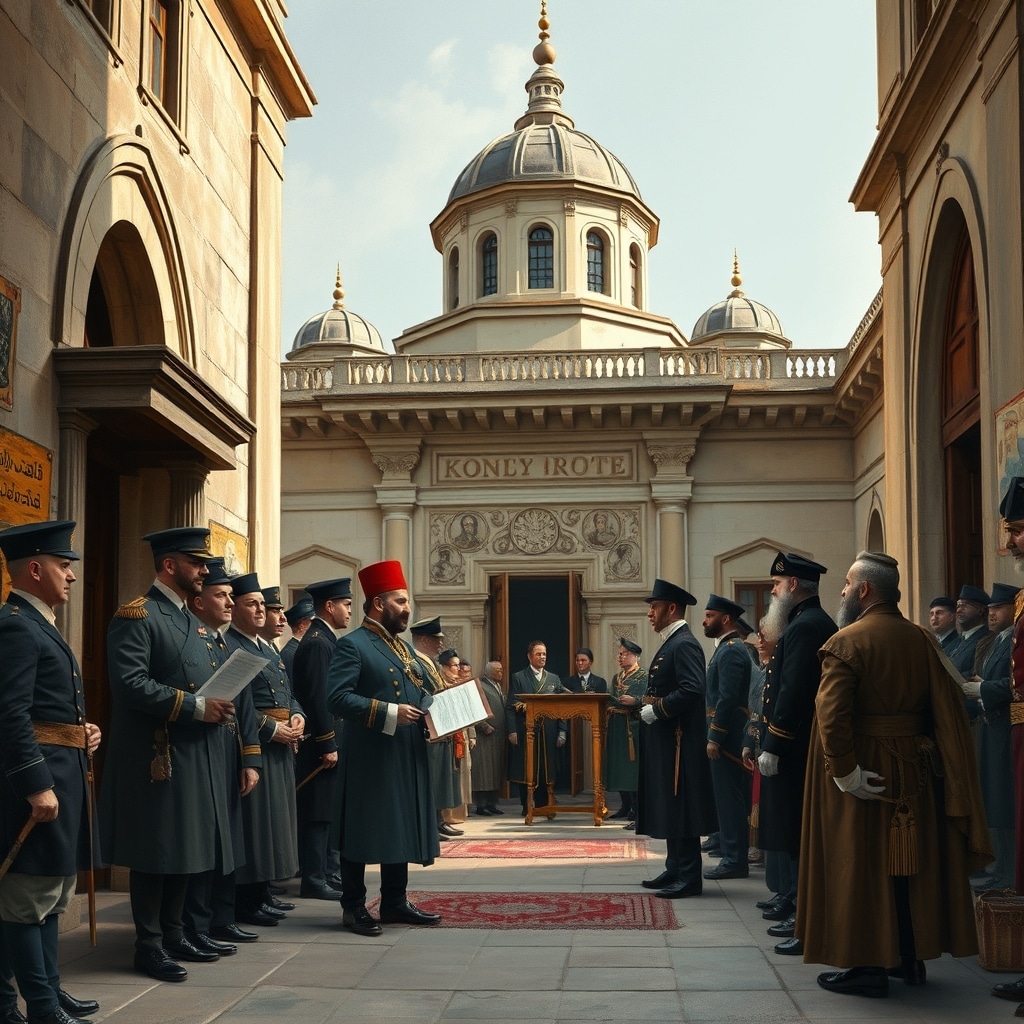
In 1838 Mahmud II temporarily changed the title of grand vizier to “başvekil” (prime minister). In 1839 the title of grand vizier came back into use. The Tanzimat then transformed the central bureaucracy and the workings of government. The administrative transformation brought by the Tanzimat Edict explains the framework of this change.
Mustafa Reşid Pasha, Mehmed Emin Âli Pasha and Keçecizade Fuad Pasha were the leading statesmen of this period. The grand vizier gradually became a head of government presiding over a cabinet of ministers. The palace–council relationship of the classical age thus evolved toward a modern ministerial system.
Under Abdülhamid II, grand viziers continued to serve, but palace control was markedly strong. For the political debates of the period, the study government and modernization under Abdülhamid II offers a complementary framework.
After 1908, constitutional politics and party rivalry changed the nature of the grand vizierate once again. Kâmil Pasha, Hüseyin Hilmi Pasha, Mahmud Şevket Pasha, Said Halim Pasha and Talat Pasha headed governments under different political conditions. In the final phase, Damat Ferid Pasha and Ahmet Tevfik Pasha came to the fore.
With the abolition of the sultanate on 1 November 1922, the legal basis of the office came to an end. Ahmet Tevfik Pasha resigned from government on 4 November 1922. Readers who wish to compare the list of Ottoman grand viziers with the chronology of the sultans can also consult the order of the Ottoman sultans.
Conclusion
The list of Ottoman grand viziers makes it possible to trace, through a single office, the changes in the state’s system of government over some six centuries. The line that runs from the first viziers to the Çandarlıs, and from Sokollu and the Köprülüs to the pashas of the Tanzimat, shows that the grand vizierate was a central institution that constantly adapted to the needs of each period.
Sources
- İsmail Hakkı Uzunçarşılı, Osmanlı Devletinin Merkez ve Bahriye Teşkilâtı.
- Halil İnalcık, Devlet-i Aliyye: Osmanlı İmparatorluğu Üzerine Araştırmalar.
- Caroline Finkel, Osman’s Dream: The Story of the Ottoman Empire 1300–1923.
- TDV Encyclopedia of Islam, entry “Sadrazam”.
- Turkish Historical Society.