State Structure and Governance
The Ottoman state operated through one of history's most enduring administrative systems. This category explores how the empire was governed — the Divan-ı Hümayun (Imperial Council) that advised the sultan, the millet system that organised religious communities, the timar land-grant network that funded cavalry and provincial defence, the devshirme recruitment that staffed the palace bureaucracy, and the central role of the Şeyhülislam in religious-legal authority. Articles cover provincial administration via beylerbeyi and sanjakbeyi, the kadi judicial network, kanunname legal codes balancing sharia with customary law, and how the imperial bureaucracy adapted from Murad I's early institutions through Tanzimat-era ministries. Six centuries of governance illuminate how a multi-ethnic empire managed three continents.
What Rights Did the Ottoman Millet System Give to Non-Muslims?
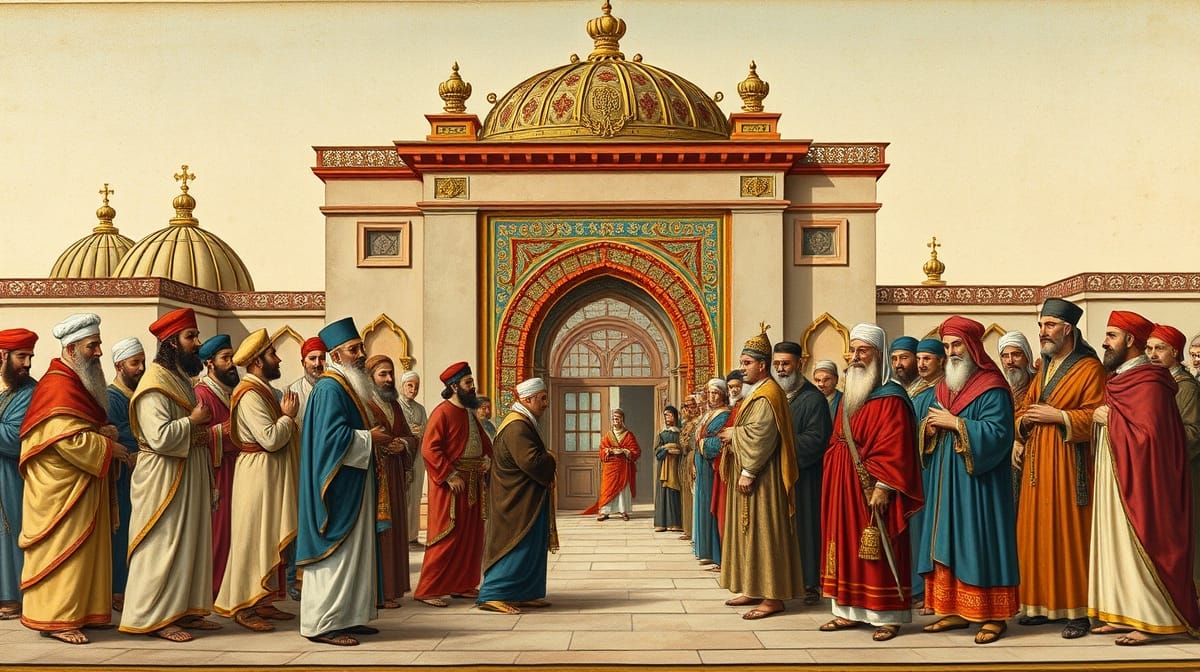
The Ottoman Millet System regulated the religious, legal, educational, and communal life of non-Muslims while balancing these rights with state authority.
What Rights Did the Ottoman Millet System Give to Non-Muslims? →
What Was the Imperial Council? How the Ottoman State Was Governed
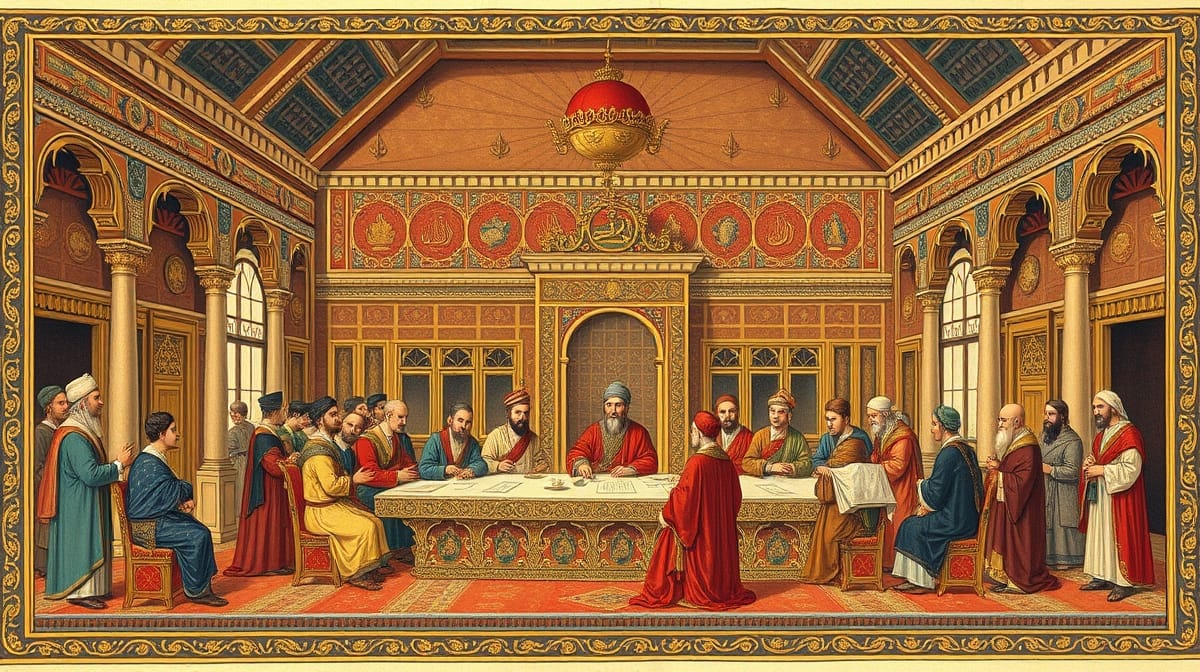
Learn about the members, duties, decision-making procedures, and governing logic of the Ottoman Imperial Council through historical examples.
What Was the Imperial Council? How the Ottoman State Was Governed →
What Was the Devshirme System? How Were Children Selected in the Ottoman Empire?

Learn the origins of the Devshirme System, its selection methods, palace education, and its impact on Ottoman administration through historical sources.
What Was the Devshirme System? How Were Children Selected in the Ottoman Empire? →
The First Ottoman Law Regulating Marriage and Divorce
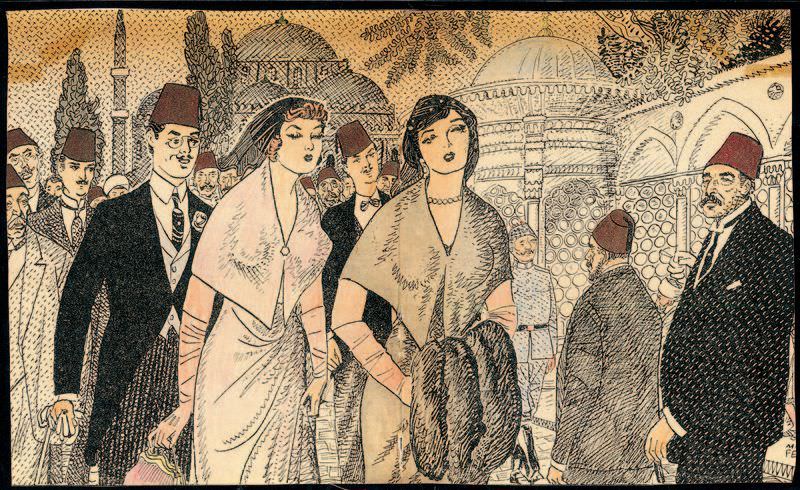
The Ottoman Empire, with its vast and cosmopolitan structure, developed regulatory rules in every field. One of these regulations is...
The First Ottoman Law Regulating Marriage and Divorce →
The Meaning of the Ottoman Tughra
The Ottoman monogram is a symbolic sign that often appears in official documents, currencies, and artworks of the Ottoman Empire....
The Meaning of the Ottoman Tughra →
The Word Meaning Military School in the Ottoman Empire
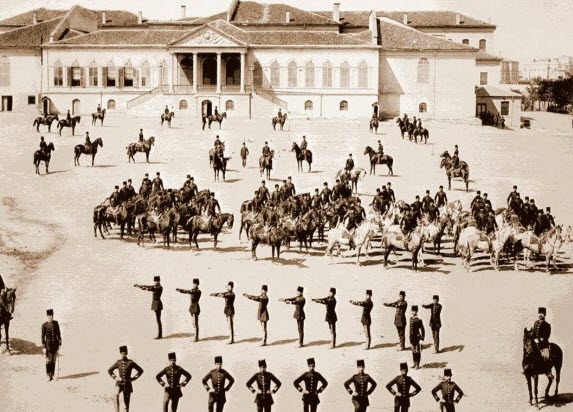
The word meaning military school in the Ottoman Empire It is known as “Mekteb-i Harbiye”. 19. Founded as a part...
The Word Meaning Military School in the Ottoman Empire →
Military Organization in the Ottoman Empire
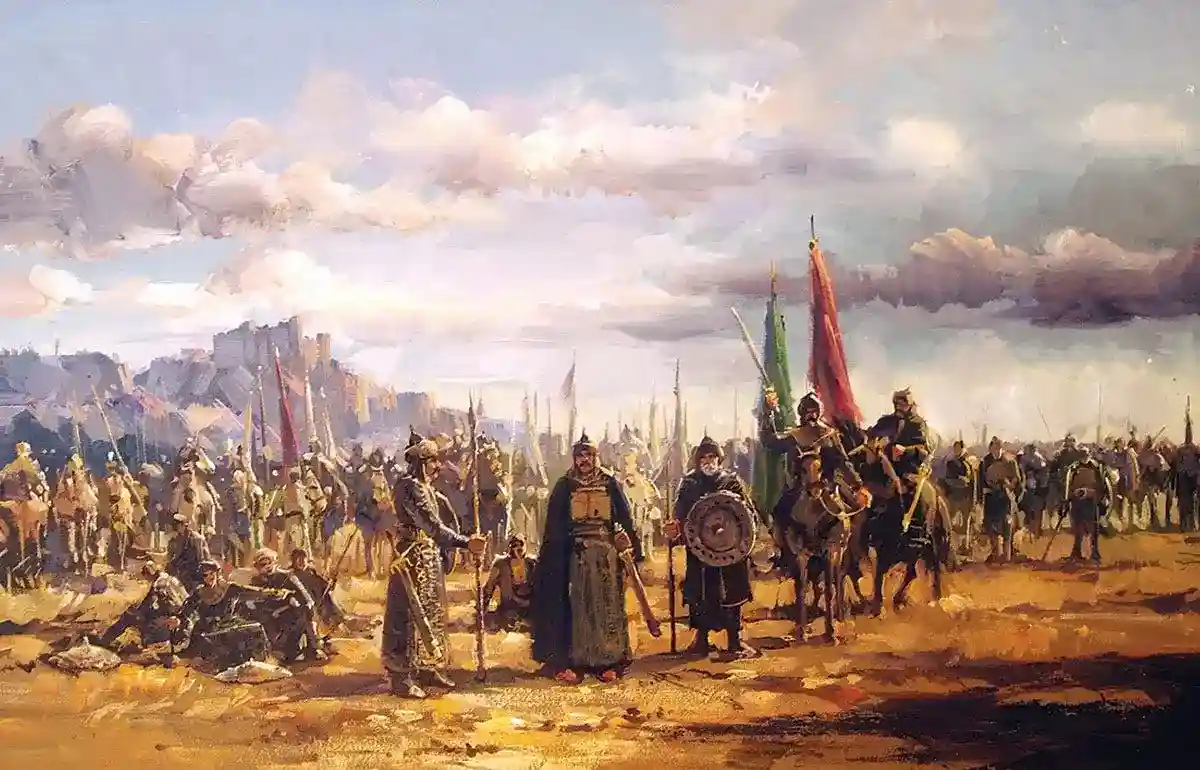
In the long and successful history of the Ottoman Empire, the role played by the military organizational structure in the...
Military Organization in the Ottoman Empire →
The First Regular Army in the Ottoman Empire
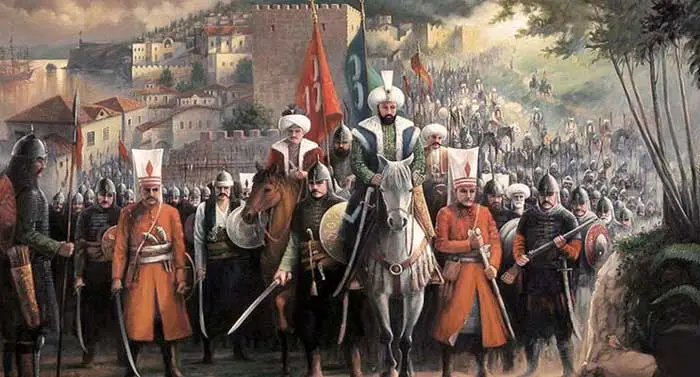
The military structure of the Ottoman Empire has undergone significant changes throughout history. The first regular army in the Ottoman...
The First Regular Army in the Ottoman Empire →
The Name Given to High School Equivalent Schools in the Ottoman Empire
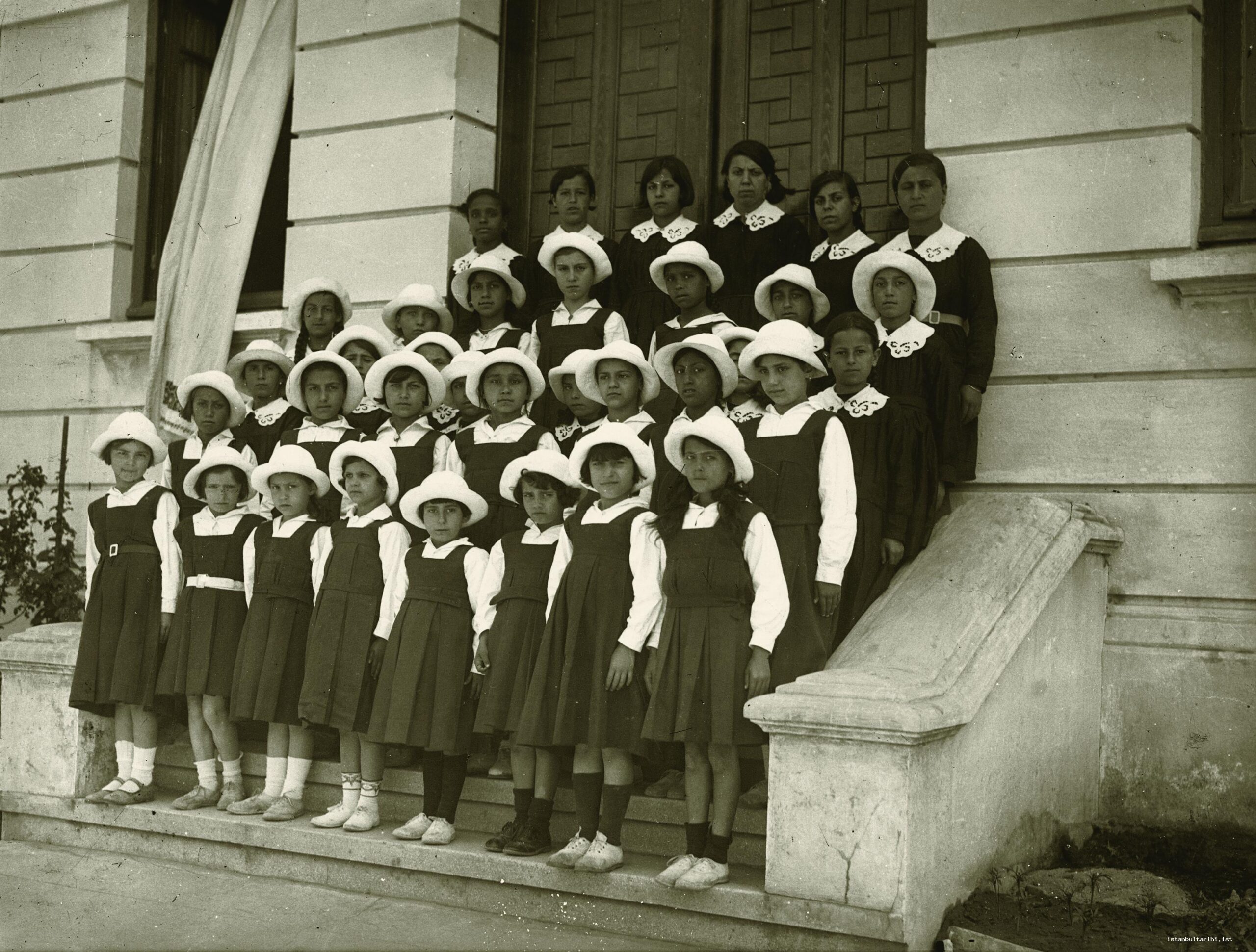
The name given to high school equivalent schools in the Ottoman Empire has an important place in the education system....
The Name Given to High School Equivalent Schools in the Ottoman Empire →
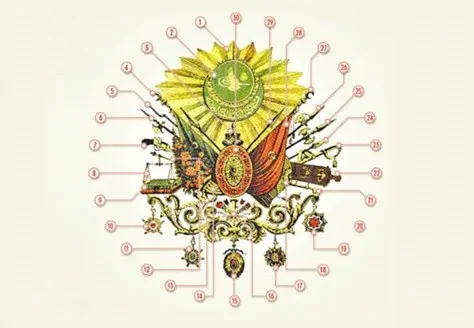
The Meaning of the Ottoman Coat of Arms
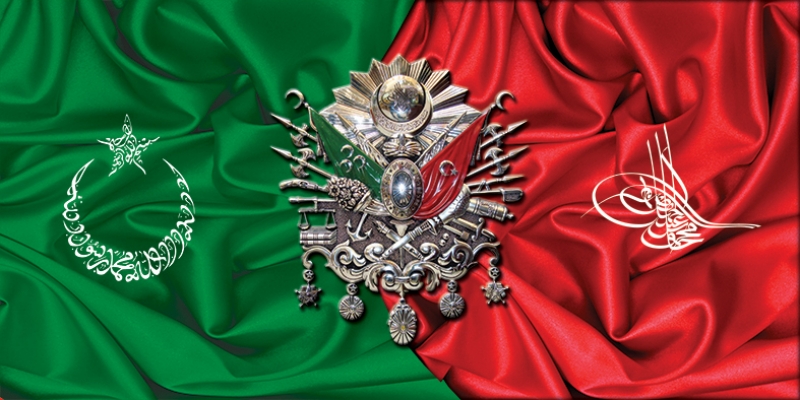
The Meaning of the Ottoman Coat of Arms, as one of the symbols of the Ottoman Empire, attracts attention with...
The Meaning of the Ottoman Coat of Arms →