Jerusalem has been one of the most important cities throughout history, sought after by various states seeking to establish control over it. Holding great religious significance, this city remained under Ottoman rule for many years. During Ottoman rule, holy sites belonging to different religions were protected in Jerusalem, and the city became one of the important centers of the empire.
The answer to the question frequently encountered in history lessons, “As a result of which war did Jerusalem fall out of the hands of the Ottoman Empire?” is known to be World War I.
When Did Jerusalem Come Under Ottoman Rule?
The Ottoman conquest of Jerusalem took place during the reign of Selim I. In 1517, the Ottoman Empire defeated the Mamluk Sultanate and brought Jerusalem under its rule.
With this development:
- Jerusalem became Ottoman territory
- Holy sites came under Ottoman protection
- Security was established in the region
- The city was governed with stability for a long period
Jerusalem remained under Ottoman rule for approximately 400 years.
When Did Jerusalem Fall Out of Ottoman Hands?
The answer to when Jerusalem fell out of Ottoman hands is 1917. During World War I, British forces advanced on the Palestine front and captured Jerusalem.
This event is considered one of the significant losses for the Ottoman Empire.
As a Result of Which War Was Jerusalem Lost?
The correct answer to the question of which war resulted in Jerusalem falling out of Ottoman hands is World War I.
The Ottoman Empire had to fight on many fronts during the war. The Palestine Front was one of them.
British forces, under the command of General Allenby, advanced toward Jerusalem.
What Was the Palestine Front?
The Palestine Front was one of the important fronts during World War I between the Ottoman Empire and Britain.
On this front:
- The Ottoman army fought defensively
- British forces advanced
- The Canal Campaign was carried out
- The Palestine region became the scene of major clashes
The defeats suffered on this front weakened Ottoman control over the region.
The British Capture of Jerusalem
In 1917, the British army entered Jerusalem. British commander General Allenby entered the city on foot.
With this development:
- Ottoman rule over Jerusalem came to an end
- British influence in Palestine increased
- The political structure of the region began to change
The loss of Jerusalem is regarded as one of the significant developments for the Ottoman Empire.
The Effects of World War I on the Ottoman Empire
The effects of World War I on the Ottoman Empire were quite significant.
As a result of the war:
- The Ottoman Empire lost much of its territory
- The economic structure weakened
- Arab lands were lost
- The Armistice of Mudros was signed
This process accelerated the collapse of the Ottoman Empire.
The Religious Significance of Jerusalem
The importance of Jerusalem is immense for the three major religions.
The city:
- Is sacred to Judaism
- Holds importance in Christianity
- Is regarded as the first qibla in Islam
For this reason, it has been one of the centers that various states throughout history have sought to control.
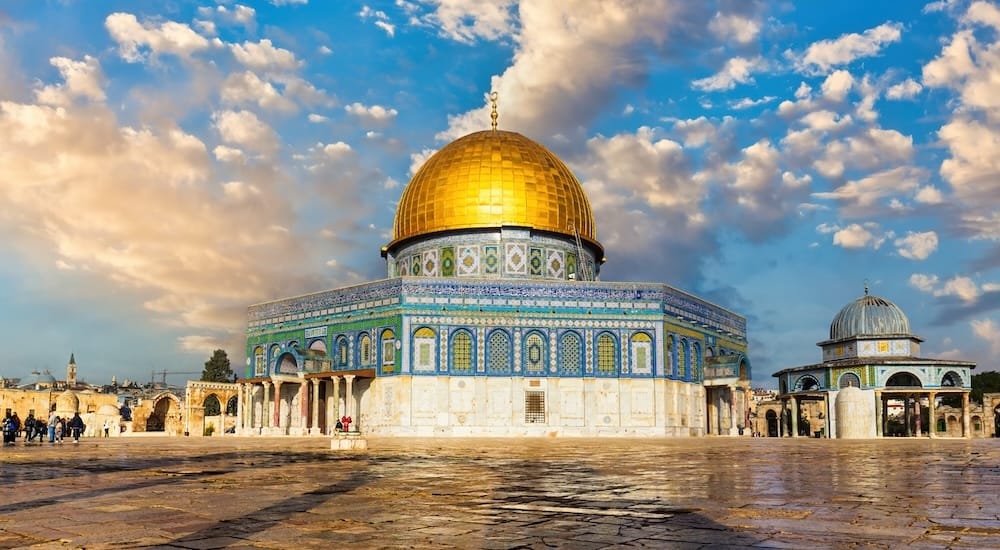
Jerusalem During the Ottoman Period
Jerusalem during the Ottoman period was governed in peace and order for a long time.
During Ottoman rule:
- Holy sites were preserved
- Freedom of worship was granted to different religions
- Construction and development work was carried out in the city
This period holds an important place in the history of Jerusalem.
As a Result of Which War Did Jerusalem Fall Out of Ottoman Hands?
The answer to the question of which war resulted in Jerusalem falling out of the hands of the Ottoman Empire is World War I. In 1917, with the capture of Jerusalem by British forces, Ottoman control over the city came to an end.
Having remained under Ottoman rule for approximately 400 years, Jerusalem passed into British control after the war.