Medieval European society was made up of different social classes. Kings, nobles, clergy, and peasants formed the basic components of the social order. However, with the growth of trade, a new class emerged. This group, living in cities and amassing great wealth through commerce, played an important role in transforming the European economy.
The answer to the history question frequently asked as “which class represents wealthy merchants in medieval Europe” is known to be the “Bourgeoisie.”
Who Were the Wealthy Merchant Class in Medieval Europe?
When we speak of the wealthy merchant class in medieval Europe, the group that comes to mind is the bourgeoisie. The bourgeoisie consisted of people who engaged in trade, lived in cities, and were economically powerful.
This class:
- Engaged in trade
- Took part in guilds
- Controlled the urban economy
- Established large markets
- Earned income from maritime trade
- Engaged in banking activities
The bourgeois class grew rapidly, particularly in the trading cities of Italy, France, and Germany.
You may also be interested in our article titled What Is the Reform Edict? The Ottoman Equality Debate and Its Effects.
How Did the Bourgeois Class Emerge?
As the feudal order weakened, urbanization accelerated in Europe. The revival of trade routes and the arrival of eastern goods in Europe following the Crusades enabled merchants to grow more powerful.
Merchants living in cities gradually amassed great wealth. This gave rise to a new economic power independent of the nobility. This group came to be known as the “bourgeois class.”
The emergence of the bourgeois class holds an important place in the transformation of Europe’s economic structure.
What Occupations Did the Bourgeoisie Engage In?
Within medieval European trade, the bourgeoisie were active in many fields.
These included:
- Textile trade
- Spice trade
- Maritime shipping
- Goldsmithing
- Banking
- Craft production
- Guild management
among their activities.
Cities such as Venice and Genoa in particular became major trading centers.
The Guild System and Merchants
Craftsmen and merchants in medieval Europe formed associations called guilds. These structures regulated the trading order.
Within the guild system:
- Product quality was determined
- Price regulation was maintained
- Vocational training was provided
- Masters and apprentices were supervised
The bourgeoisie further increased their economic power through the guilds.
The Impact of the Bourgeoisie on Europe
The question of how the bourgeoisie influenced Europe is significant from a historical perspective. Over time, this class gained not only economic but also political power.
The effects of the bourgeoisie include:
- Growth of trade
- Acceleration of urbanization
- Weakening of feudalism
- Development of banking
- Support for Renaissance movements
- Economic strengthening of kings
among others.
Wealthy merchants also contributed to cultural development by providing financial support to artists.
The Difference Between Feudalism and the Bourgeois Class
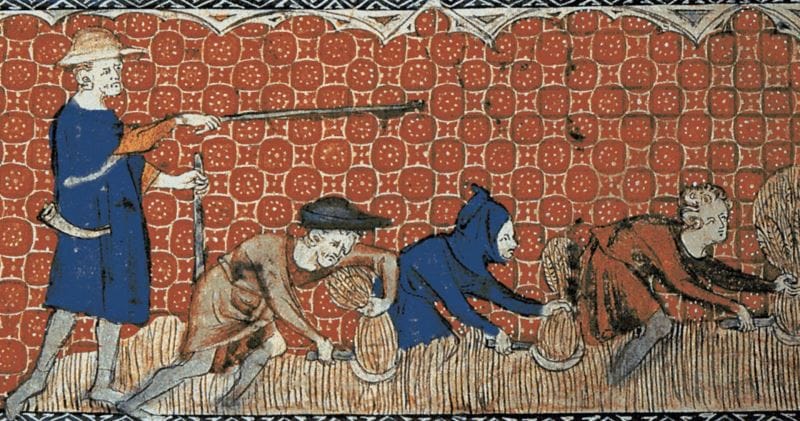
The feudal system relied on the power of landowning nobles. The bourgeoisie, on the other hand, grew wealthy through trade.
The differences between the two classes are as follows:
- Nobles relied on land
- The bourgeoisie earned income from trade
- Nobles lived in rural areas
- The bourgeoisie were found in city centers
- The bourgeoisie drove the growth of the monetary economy
This transformation reshaped Europe’s economic structure.
The Development of Trade in Medieval Europe
Medieval European trade routes played an important role in the growth of cities. In particular, Mediterranean ports and Silk Road connections enabled merchants to grow wealthy.
Fairs and large markets contributed to the dynamism of the European economy. As a result, the merchant class living in cities became increasingly powerful.
Which Class Represents Wealthy Merchants in Medieval Europe?
The correct answer to which class represents wealthy merchants in medieval Europe is the bourgeoisie. The bourgeoisie consisted of groups that gained power through trade and the urban economy.
This class contributed to accelerating economic change in Europe and played an important role in weakening the feudal order. With the growth of trade, a new social structure emerged in Europe, and cities became more powerful.