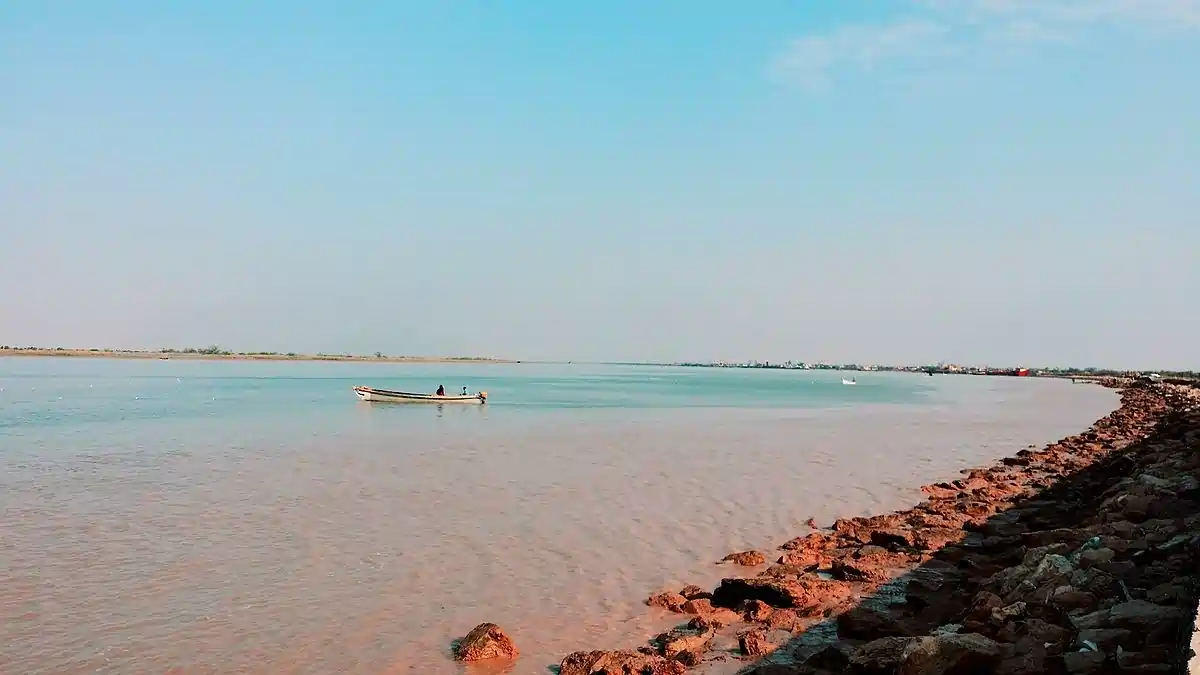
Which countries have disputed over the Shatt al-Arab waterway is a question frequently encountered in research on recent Middle Eastern history. The Shatt al-Arab is a waterway of great strategic and economic importance. For this reason, it has caused serious problems between the states of the region throughout history.
The Shatt al-Arab waterway has most notably caused disputes between Iraq and Iran.
Where Is the Shatt al-Arab?
The Shatt al-Arab is an important waterway formed by the confluence of the Tigris and Euphrates rivers. This region, which flows into the Persian Gulf, holds great value for both trade and energy transportation.
The area where the Shatt al-Arab is located:
- Lies in southern Iraq
- Is located near the Iranian border
- Opens into the Persian Gulf
- Is important for oil transportation
For this reason, states seeking to control the region experienced tension for many years.
What Is the Tanzimat Edict? The Beginning of Change in the Ottoman Empire may also interest you.
Why Did the Shatt al-Arab Dispute Emerge?
The question of which countries have disputed over the Shatt al-Arab waterway is rooted in a border issue. Iraq and Iran held differing views on control of this waterway.
Among the causes of the dispute were:
- The inability to determine the border line
- Control of oil trade routes
- Port dominance
- The regional power struggle
These were the main issues.
In particular, serious disputes arose between the parties over ship passage rights and over which country the waterway belonged to.
Tension Between Iran and Iraq
The Shatt al-Arab tension between Iraq and Iran grew even further in the 20th century. The Iraqi administration long argued that most of the waterway belonged to it. Iran, on the other hand, claimed that the border should run through the middle of the river.
Over time, this tension led to:
- Diplomatic crises
- Border clashes
- Military tensions
as a result.
The Iran-Iraq War and the Shatt al-Arab
During the Iran-Iraq War, which began in 1980, the Shatt al-Arab issue played a significant role. Iraqi leader Saddam Hussein sought to establish full control over the region by declaring the agreements made with Iran void.
Among the causes of the war were:
- The struggle for control over the Shatt al-Arab
- Border disputes
- The race for regional leadership
- Iran’s influence after the revolution
These were among the causes.
The eight-year war caused enormous loss of life and economic damage.
What Is the Algiers Agreement?
The Algiers Agreement, signed between Iraq and Iran in 1975, temporarily eased the Shatt al-Arab dispute. Under this agreement, it was accepted that the border would run through the middle of the river.
However, in subsequent years the agreement became controversial again, and the process leading to war began.
The Economic Importance of the Shatt al-Arab
The Shatt al-Arab holds great importance not only politically but also economically. This is because the region:
- Has important ports for oil exports
- Serves as a passage point for trade ships
- Provides access to the Persian Gulf
For this reason, both Iran and Iraq have sought to control the region.
Why Is the Shatt al-Arab Important Today?
Today, the Shatt al-Arab is still considered one of the most important waterways in the Middle East. It retains its significance for energy transportation and trade activities in the region.
Additionally, it:
- Affects geopolitical balances
- Holds importance for regional security
- Has an impact on the oil economy
For this reason, the Shatt al-Arab issue remains one of the most noteworthy topics today.
Which Countries Have Disputed Over the Shatt al-Arab Waterway: In Brief
To give a short answer, the response to the question of which countries have disputed over the Shatt al-Arab waterway is Iran and Iraq. Particularly due to border and oil transportation issues, the two countries experienced years of political and military tension.