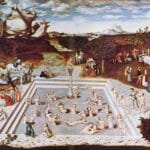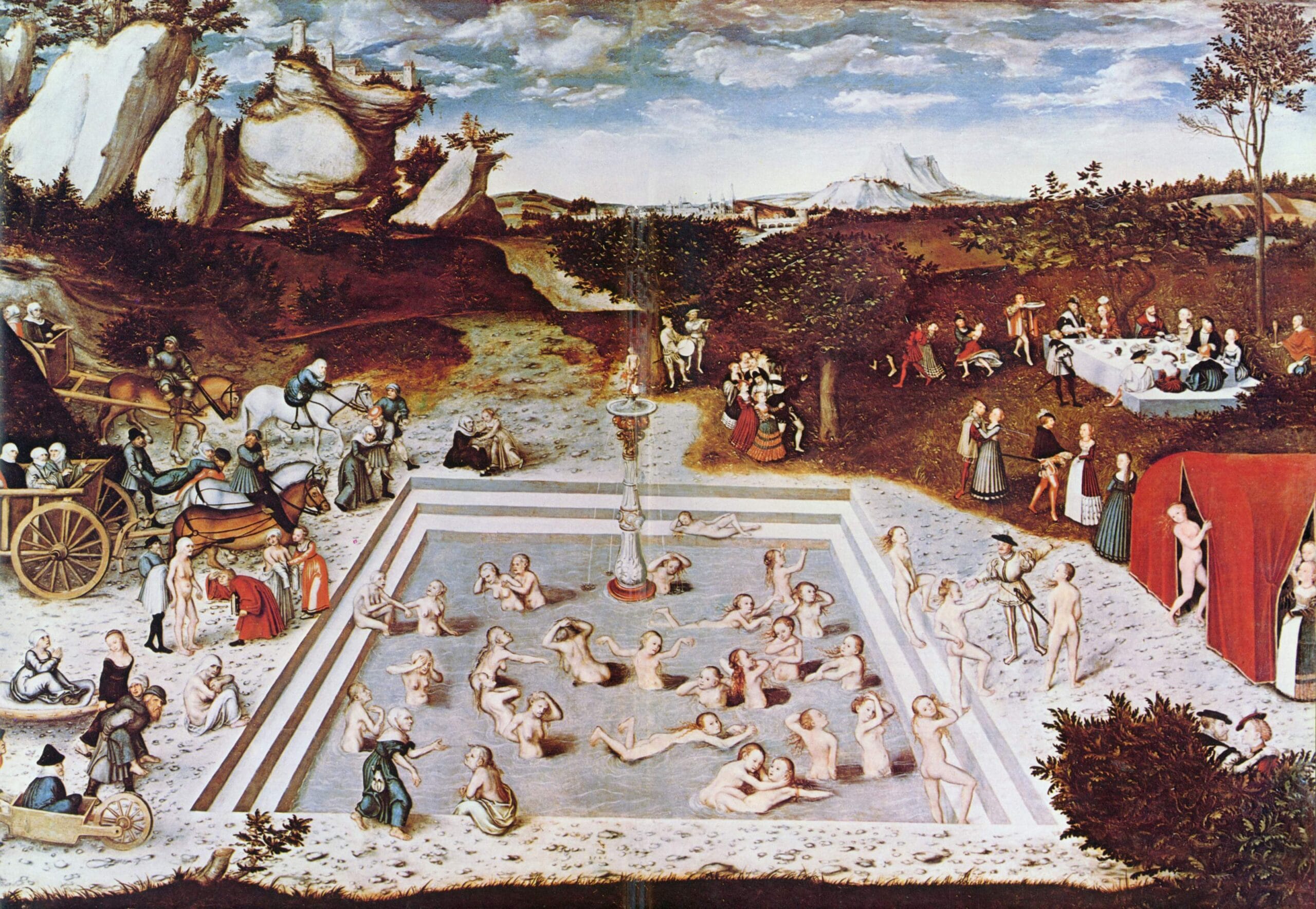
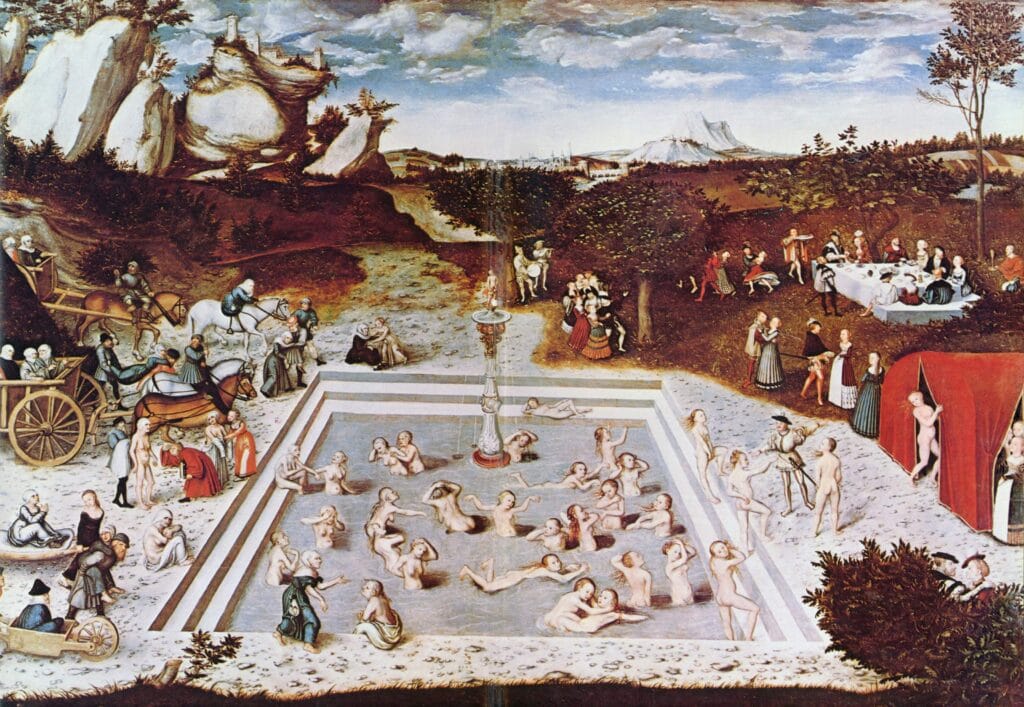
Sacred water sources representing the beginning of life, fertility, and rebirth hold an important place in Central Asian Turkic mythology. The phrase “the pool as the source of life in Central Asian mythology” is generally associated with the belief in Ab-ı Hayat (the Water of Life). In some narratives, sacred lakes and life-giving water sources are also regarded as symbols of immortality.
In Turkic and Central Asian mythologies, water is seen not merely as a physical necessity but also as a spiritual force and source of life.
The Belief in Sacred Water in Turkic Mythology
In ancient Turkic beliefs:
- Rivers
- Lakes
- Springs
- Sacred pools
were considered special. For this reason, the pool as the source of life in Central Asian mythology directly represents the notion of sacred, life-giving water.
In Turkic mythology, water was viewed as:
- The element that initiates life
- A source of fertility
- A symbol of purity
- An entity carrying spiritual power
Water was regarded in this way.
The Belief in Ab-ı Hayat
Ab-ı Hayat, meaning “Water of Life,” is an important concept appearing in many Turkic and Islamic narratives. According to legends, whoever drinks this water is believed to:
- Become immortal
- Remain young
- Attain great wisdom
These are the beliefs surrounding this water.
For this reason, some sources explain the phrase the pool as the source of life in Central Asian mythology in connection with Ab-ı Hayat.
The Yer-Su Cult
The belief system known as “Yer-Su” (Earth-Water) among the ancient Turks was highly significant. Mountains, lakes, and rivers were considered sacred. In particular, certain lakes and pools were believed to give life to living beings.
In line with this belief:
- Water spirits
- Sacred lakes
- Healing springs
frequently appear in mythological narratives.
You may also be interested in our article titled What is the Edict of Gülhane? The Beginning of Change in the Ottoman Empire.
The Meaning of Water in Mythology
In Central Asian culture, water is not merely a natural element. It is also one of the important symbols representing:
- Rebirth
- Purification
- Eternity
- Fertility
- The cycle of life
Water is one of the key symbols representing these concepts.
For this reason, the pool as the source of life in Central Asian mythology has been regarded as a sacred center of life.
Sacred Water in Turkic Epics
Many Turkic epics recount heroes crossing sacred waters or encountering life-giving water.
Water motifs hold a particularly important place in narratives such as:
- The Ergenekon Epic
- The Epic of Manas
- The Epic of Oghuz Khagan
Water motifs hold an important place in such narratives.
In some stories, heroes gaining strength or returning to life is associated with water.
The concept of “the pool as the source of life in Central Asian mythology” represents the belief in sacred water found in Turkic and Central Asian mythologies. These narratives, particularly connected to the idea of Ab-ı Hayat, show that water was considered a life-giving and sacred element. In Turkic mythology, lakes, springs, and sacred pools are among the symbols of fertility, immortality, and rebirth.