The social structure of the Ottoman Empire was organized according to specific rules. At the foundation of the state’s economic order lay the tax system. Thanks to the income obtained from agriculture, trade, and production, the state treasury grew stronger, financing the army and public services.
The topic of “villages and towns liable to pay taxes in the Ottoman Empire,” frequently encountered in history lessons, is important for understanding Ottoman social structure. Within this system, the concept of “reaya” (tax-paying subjects) stands out in particular.
What Was the Tax System Like in the Ottoman Empire?
The Ottoman tax system was one of the key structures ensuring the state’s economic order. Taxes collected from the population were determined according to different sectors.
Taxes could be collected from:
- Agricultural products
- Livestock
- Trade
- Land use
These sources.
Thanks to this system, the state obtained regular income.
What Is Reaya?
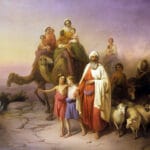
Reaya is the term used for the tax-paying subjects of the Ottoman Empire. Villagers, farmers, town residents, and the producing class were generally included among the reaya.
The reaya:
- Engaged in production
- Paid taxes
- Were under state protection
- Did not belong to the military class
In Ottoman social structure, the population largely consisted of the reaya class.
Tax-Paying Villages and Towns in the Ottoman Empire
Villages and towns liable to pay taxes in the Ottoman Empire were settlement areas included within the timar system.
The people living in these regions:
- Worked the land
- Engaged in production
- Paid taxes to the state
A portion of the collected taxes was left to the timar holders.
What Is the Timar System?
The timar system was one of the key practices ensuring the Ottoman Empire’s economic and military order.
In this system:
- The state granted the tax revenues of certain lands to sipahis (cavalrymen)
- The sipahis trained soldiers
- Villagers continued production
- The state preserved central authority
This structure allowed the Ottoman economy to remain strong for a long period.
Duties of Villagers in the Ottoman Empire
Ottoman villagers were a fundamental part of the production order. Villagers:
- Farmed the land
- Paid taxes
- Tried not to leave the land fallow
The state placed great importance on the continuation of production.
This was because the continuity of the economic order depended on agricultural production.
Taxes Collected in the Ottoman Empire
Ottoman taxes were collected under various names.
The main taxes were as follows:
- Öşür (tithe)
- Cizye (poll tax on non-Muslims)
- Çift resmi (land tax)
- Avarız (extraordinary levy)
- Haraç (tribute tax)
Taxes could vary according to a person’s religious status, production, and economic power.
The Role of Cities and Towns in the Economy
Ottoman towns were important centers in terms of trade and production.
In these towns:
- Marketplaces were established
- Tradesmen conducted business
- Tax revenues were collected
- Trade became active
These settlements kept the Ottoman economy vibrant.
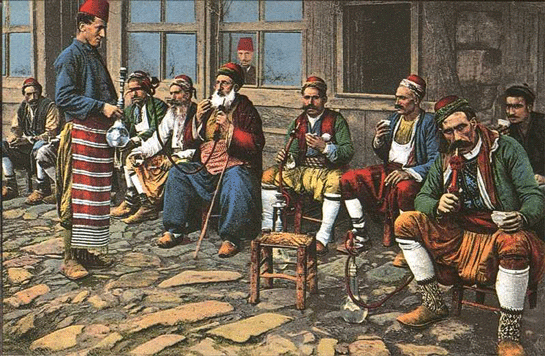
Ottoman Social Structure
The Ottoman social structure was fundamentally divided into two classes:
- The rulers
- The ruled
The rulers included soldiers and state officials, while the ruled class consisted of the reaya.
The reaya were regarded as the fundamental source of the state’s economic strength.
What Were the Village and Town People Liable to Pay Taxes Called in the Ottoman Empire?
The village and town people liable to pay taxes in the Ottoman Empire were called “reaya.” The reaya class consisted of communities that engaged in production, paid taxes to the state, and formed the foundation of the Ottoman economic order.
The tax system and production order played a major role in the Ottoman Empire remaining strong for many years.